The G1 Climax 36 Reality Check
The G1 Climax 36 has officially left the Sapporo station, and the tournament is already defying conventional booking logic. With the first two nights in the books, the heavy hitters are feeling the heat while underdogs are finding their footing in the Hokkaido Prefectural Sports Center.
The Rankings: Early Tournament Volatility
1. The Umino Injury Scare. Shota Umino missing time creates a massive hole in the tournament narrative. His ongoing health status is the most urgent story in New Japan right now. It disrupts the planned build for the block finals.
2. The AEW Intrusion. Having an AEW star drop his entry match isn't just a booking quirk—it's a signal. The G1 Climax 36 results prove that cross-promotional equity doesn't protect the visitors from an early loss. It adds stakes to a tournament that can sometimes feel like an afterthought for outsiders.
3. Yota Tsuji's Momentum. Beating Hirooki Goto is the type of win that forces the company to recalibrate its main event plans. Tsuji is wrestling with a violent urgency that makes his path to the finals look legitimate. He is currently the most dangerous man in his block.
4. Shingo Takagi's Consistent Violence. Takagi beating Oiwa shows he remains the king of the mid-round brawler. Nobody makes a transition look as painful as he does. If you aren't paying attention to his ring positioning, you are ignoring the best worker in the pack.
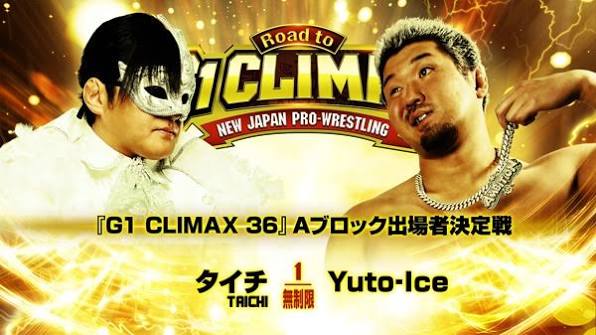
5. Oleg Boltin vs. Yuto-Ice. This pairing provided the raw power spectacle the G1 needed in Sapporo. Watching Boltin maneuver around the ring shows a rapid improvement in his spatial awareness since the start of the year. He feels like a breakout candidate.
6. Gabe Kidd's Heat. Kidd winning against Moloney is standard for his current character trajectory. He is the modern heel prototype—loud, abrasive, and effective. He will cause problems for every major name in this block.
7. The Sapporo Crowd Energy. Fans in Hokkaido are carrying the show. Their engagement during the tag matches and throughout the main card is why the G1 remains a summer essential. Wrestling thrives on this specific intensity.
8. Walker Stewart’s Commentary. Stewart is managing to hold the broadcast together through a high-stakes, high-injury weekend. His ability to pivot when the booking gets unpredictable is vital for the viewer experience. He keeps the tension high without resorting to hyperbole.
9. The Tag Match Fillers. The undercard tag bouts are feeling bloated in length this year. While they introduce the tournament talent, several spots feel redundant before the main bouts begin. They need to tighten the timing to maintain the momentum.
10. Hirooki Goto’s Vulnerability. Watching Goto lose to a younger star suggests a shift in the hierarchy is imminent. While consistent, he no longer looks like the shield against the new guard. The result is a 0-1 record that will force him to claw back from the bottom immediately.
Final Observations
The pacing of this tournament is at a 36-degree tilt because of the injury reports. Management has to rethink how they fill gaps if Umino cannot return. This is the biggest hurdle for G1 Climax 36, and it remains the primary friction point for the next two weeks of travel. The booking needs to prioritize stability over shock, or they risk losing the audience's investment in the block dynamics.
Honorable Mentions
Takagi’s footwork and the potential for a surprise upset in the next set of block matches are worth watching. Keep an eye on how the standings shift after the next wave of house shows. The rotation of stars in the undercard tag matches provides a sneak peek at upcoming feuds, even if the current segments feel like necessary filler.