The inevitable collision of two massive brands
Cody Rhodes recently confirmed that he received a cease and desist letter from Nintendo regarding his use of the Legend of Zelda Triforce insignia. To anyone who follows both professional wrestling and video game copyright law, the real surprise isn't that this letter arrived. The surprise is that it took this long.
Nintendo operates one of the most aggressive intellectual property defense divisions on the planet. This is a company that recently secured a $2.4 million settlement against the creators of the Yuzu emulator. They regularly issue mass DMCA takedowns against YouTube creators for using seconds of background music. They do not operate in gray areas.
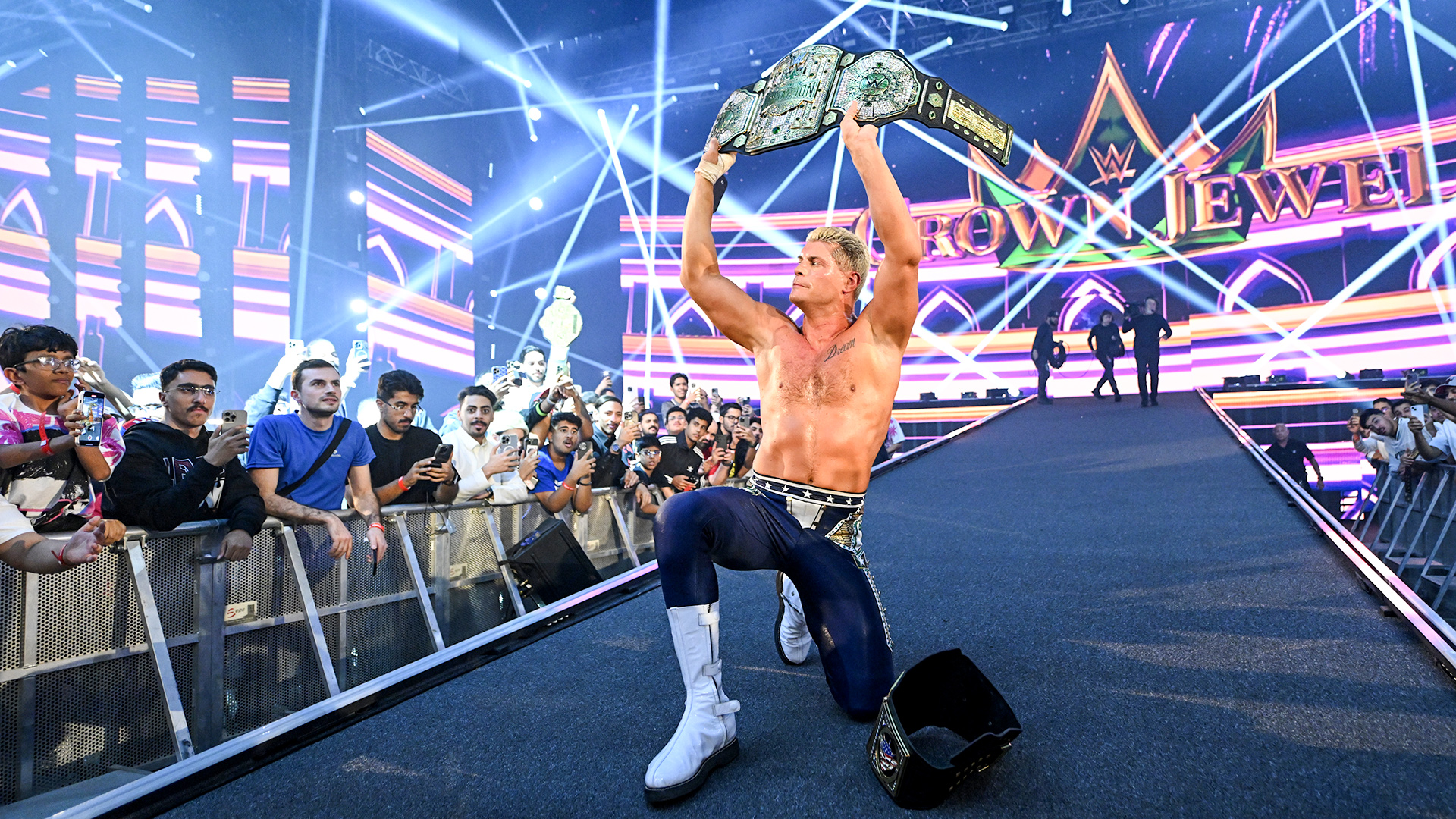
For years, Rhodes prominently displayed the three golden triangles of the Triforce on his wrestling boots. He wore it during his initial WWE run, carried it onto the independent circuit, and kept it through the early days of AEW. It was a nod to his legitimate fandom, a subtle wink to gamers in the audience.
But the business of wrestling has changed drastically since Rhodes first laced up those boots. A mid-card talent wearing a video game logo on WWE television in 2011 is a minor annoyance. The undeniable face of a publicly traded sports entertainment monolith doing it in 2026 is a massive corporate liability.
The risk multiplier of the main event
Wrestling has a long, murky history with intellectual property theft. The industry routinely borrows aesthetics from pop culture to get characters over. We see wrestlers dressed as Marvel characters, anime protagonists, and movie villains on a weekly basis.
Usually, this falls under a loose, unspoken agreement of homage. Seth Rollins wearing Thanos-inspired gear or Johnny Gargano dressing like Wolverine doesn't typically result in Disney dispatching lawyers. The gear is worn once or twice, rarely features exact trademarked logos, and isn't sold on official merchandise.
Rhodes' situation was different. The Triforce wasn't a one-off color scheme; it was an exact replication of a trademarked logo permanently etched into his primary ring gear. And more importantly, Rhodes' position on the card shifted dramatically.
WWE's consumer products division is an absolute juggernaut. While specific individual talent breakdowns are closely guarded, industry estimates routinely place top merchandise movers like Rhodes or Roman Reigns as driving anywhere from 10 to 15 percent of total live event and online sales.
When you are generating millions of dollars in t-shirt and action figure revenue, every square inch of your presentation is scrutinised. If WWE produces an action figure of Rhodes featuring the Triforce, Nintendo has a clear, actionable claim against WWE's merchandising revenue.
An indictment of WWE's compliance
Looking back at the timeline, it is genuinely baffling that WWE's legal department allowed this to persist during Rhodes' first tenure. This is a company that notoriously micro-manages talent presentation. They dictate what wrestlers can stream on Twitch and heavily restrict third-party sponsorships.
Yet, somehow, a wrestler was allowed to broadcast the primary iconography of a notoriously litigious video game publisher to millions of viewers for years.
It speaks to a distinct blind spot in how wrestling companies viewed video game culture a decade ago. It was treated as niche, secondary media. Today, the gaming industry dwarfs the film and music industries combined. Nintendo's legal reach is absolute, and their willingness to enforce their trademarks across international borders is well documented.
Rhodes' reliance on the Zelda imagery early in his career was also a creative crutch. Before he left WWE in 2016 to reinvent himself, he struggled to define a unique visual identity outside of his family name. Slapping a recognizable pop-culture logo on his boots was an easy way to generate a baseline level of connection with a specific demographic.
The forced pivot to ownership
Statistically speaking, this cease and desist letter might be the most profitable piece of mail Cody Rhodes ever received. Getting legally boxed out of using borrowed nostalgia forced a necessary pivot.
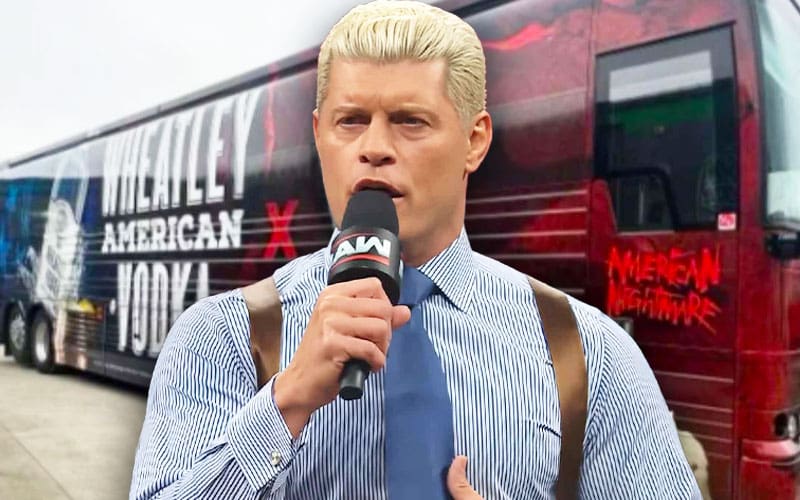
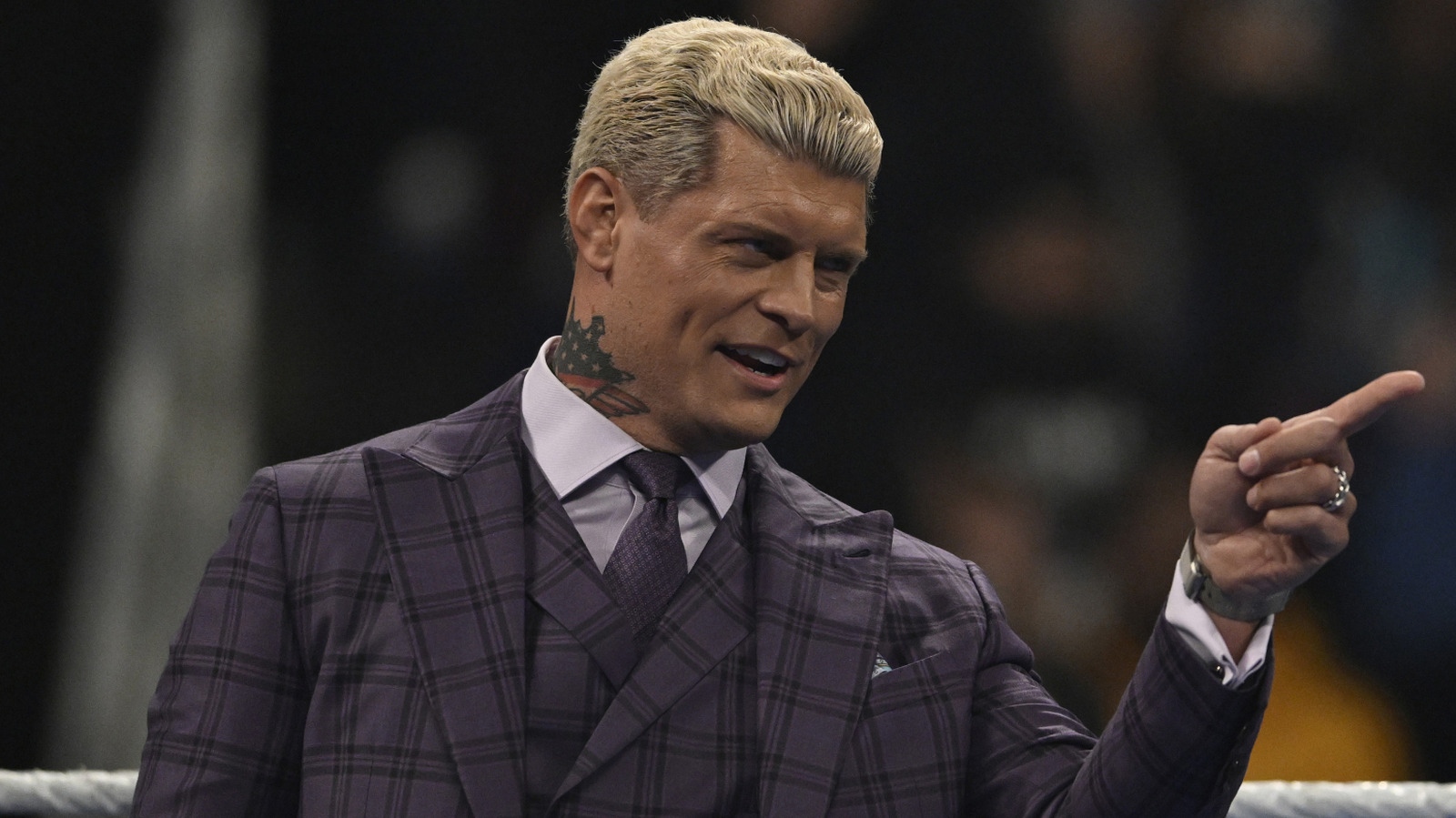
It pushed him away from using someone else's intellectual property and toward developing his own. That pivot eventually resulted in the American Nightmare logo—the stylized skull and flag design that is now tattooed on his neck and plastered across WWE audiences worldwide.
Unlike the Triforce, Rhodes fully owns the American Nightmare trademark. He controls the licensing. When a shirt is sold, he isn't risking a lawsuit; he's collecting a royalty check.
The financial difference between borrowing heat from a 1986 video game and generating it from a 100 percent owned asset is staggering. The Triforce was a neat visual callback. The American Nightmare logo is a localized economy.
Nintendo's legal threat ultimately corrected a flaw in Rhodes' presentation. It forced a top-tier performer to stop dressing like a fan and start branding himself like a franchise. The math is simple: you cannot be the face of a billion-dollar company while wearing another billion-dollar company's logo on your boots.
Read Next
- Top 10: The Moments That Defined Wrestling's 2026 Chaos So Far
- Top 10: The Wrestling Moments Defining 2026 So Far
- WWE's summer live event expansion reveals their ruthless new indie blueprint
- Top 10: The Definitive Moments of the 2025-2026 Wrestling Season
- 🏆 WrestleMania 41 — Full Coverage Hub
- 💥 WWE Backlash 2026 — Full Coverage Hub