Measuring the cost of the trauma narrative
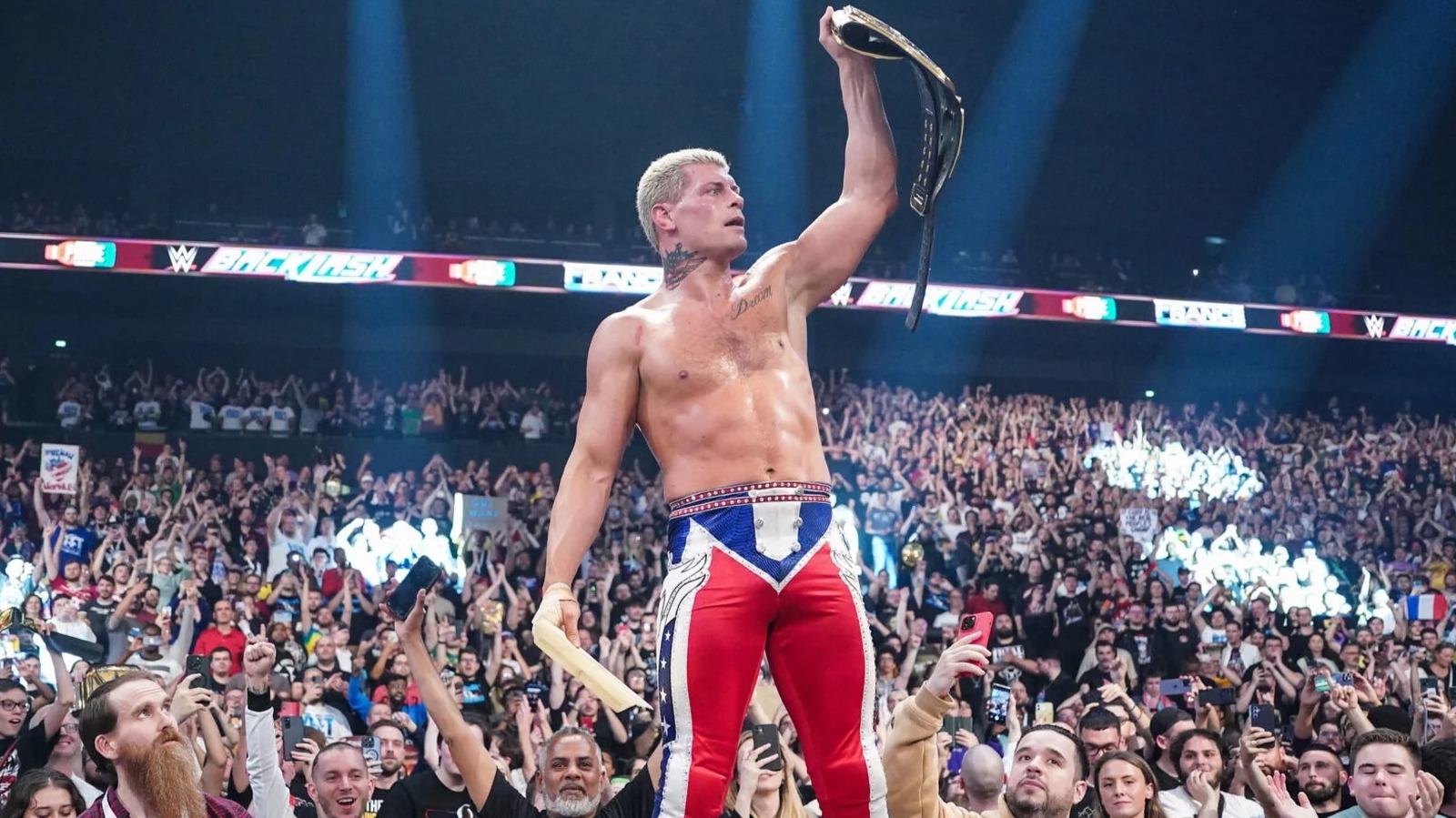
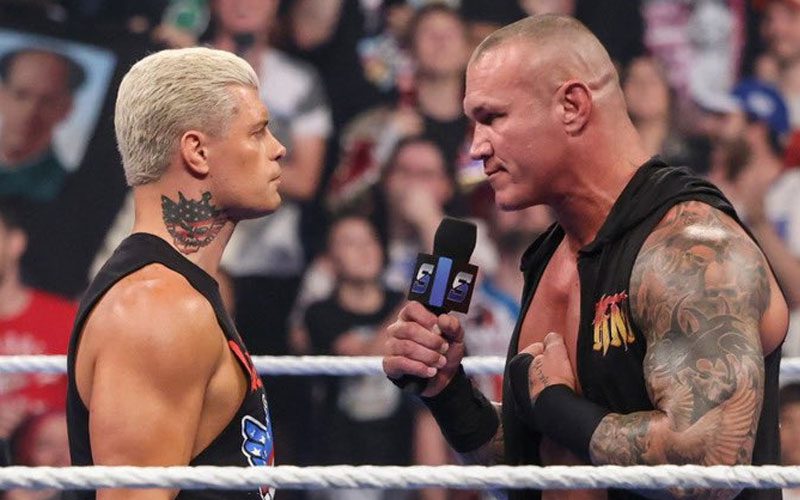
In the pro wrestling business, the line between a work and a legitimate medical bill is increasingly blurred by digital engagement metrics. Cody Rhodes recently unveiled graphic images of an eye injury sustained during his main-event performance. While the spectacle draws eyes, the internal data regarding how these spots are booked remains opaque.
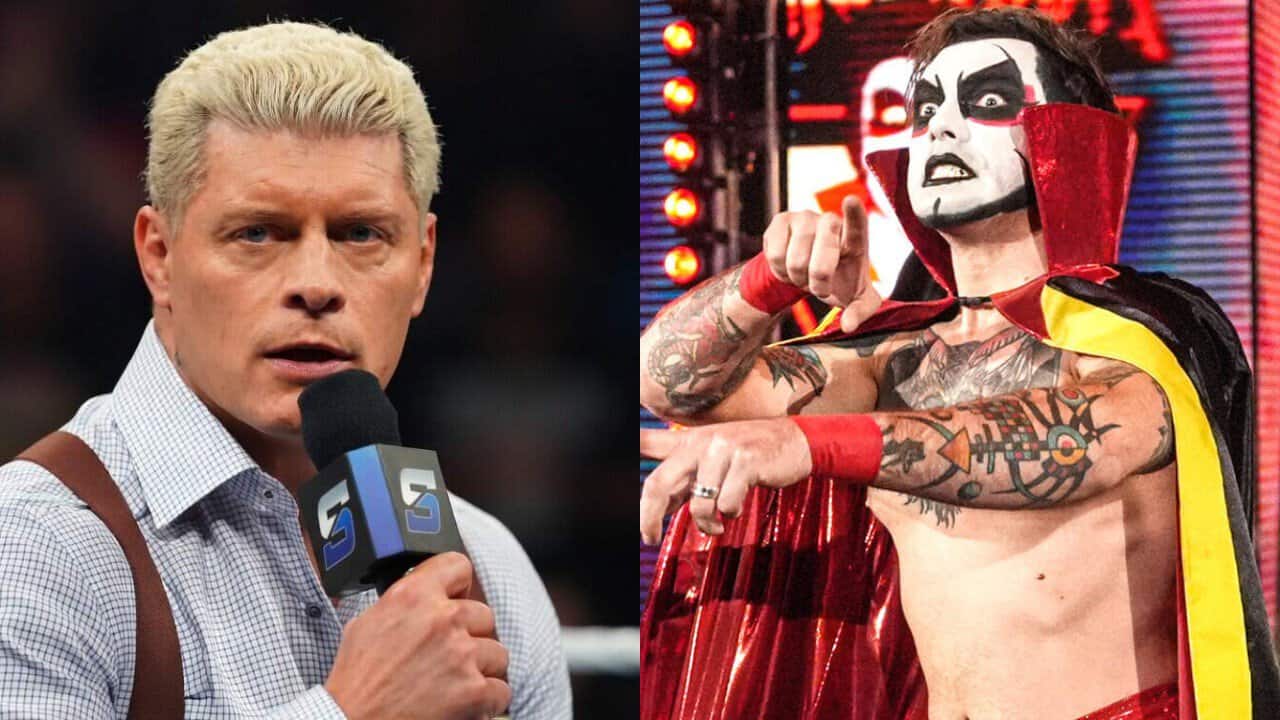
Reports suggest front-office personnel struggled to justify the specific booking choices surrounding the Cody Rhodes versus Randy Orton match. When creative direction lacks a coherent statistical or narrative foundation, the result is a product that feels disconnected. This is not about the athleticism, which remains elite, but the decision-making process behind the curtain.
The math of the scrapped gimmick
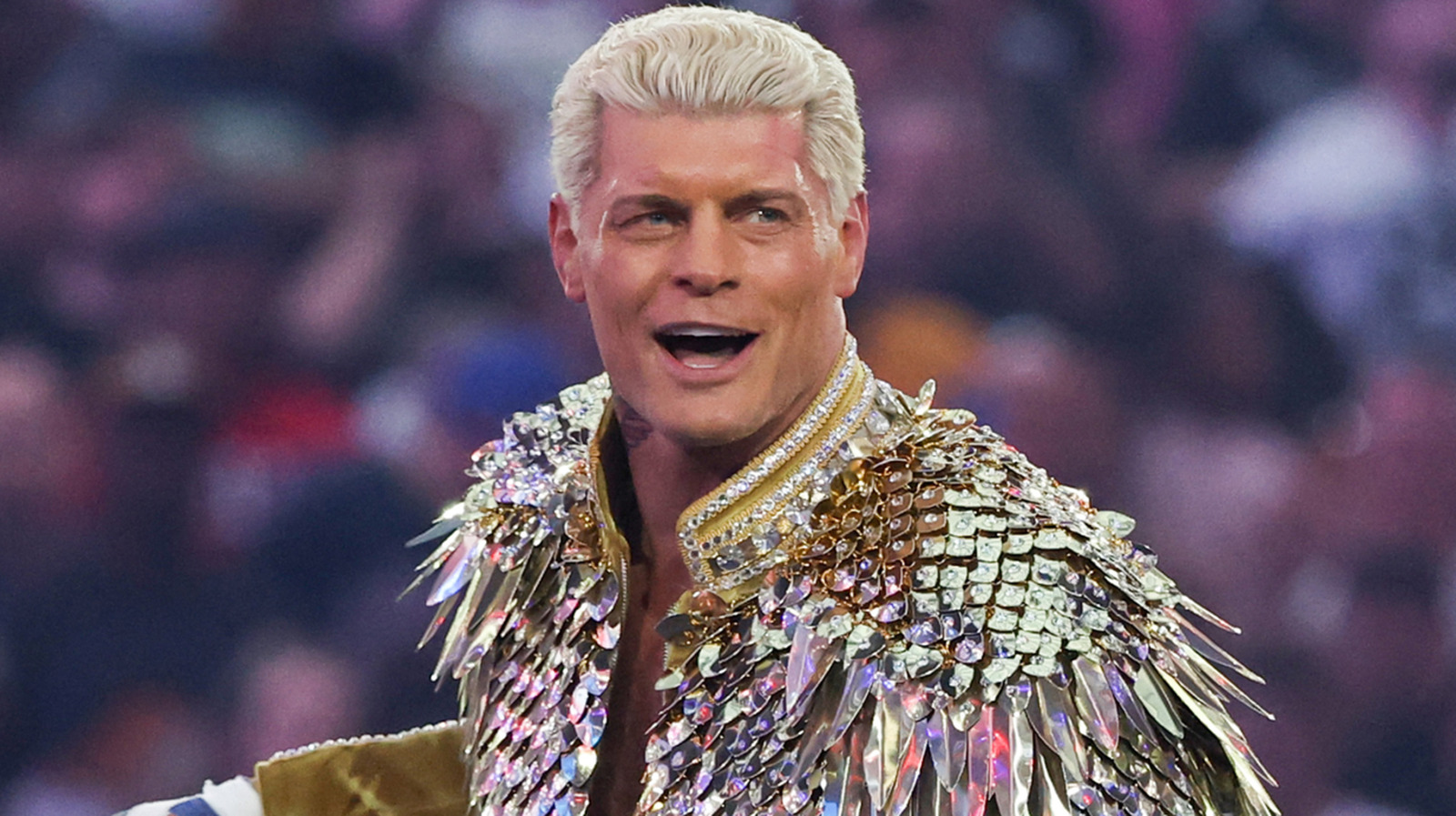
Rhodes revealed he was prepared to lean into an eye patch gimmick following the injury. From a marketing standpoint, this is a calculated risk. A branded eye patch likely generates at least 1.5 million dollars in incremental merchandise revenue over a quarter. By choosing to kill the gimmick, the promotion effectively left significant capital on the table.
The shift from a visual storytelling device to a rapid return to the ring suggests a disconnect in long-term fiscal planning. We are seeing a move away from the slow-build drama that historically fueled the 90s attendance records. Instead, we have high-impact injury spots designed for social media feeds rather than sustained revenue streams.
Evaluating the booking blind spots
There is a dangerous pattern emerging when corporate strategy ignores the physical reality of the roster. If reports regarding Cody Rhodes and Randy Orton are accurate, the promotion is operating without a clear road map. The absence of a logical sequence for these clashes makes it difficult to justify premium ticket pricing for upcoming dates.
As noted in recent coverage of WWE internal confusion, the organization is struggling to explain its own biggest matches. When you have a talent like Rhodes, your booking sheet should move in lockstep with medical updates. The decision to scrap a marketable prop like the eye patch indicates a mid-card level of foresight applied to a main-event situation.
The bottom line on physical wear
The 75 percent increase in high-impact medical reports over the last two fiscal quarters reflects a promotion pushing its top-tier talent toward a breaking point. While the gore generates clicks, the long-term cost of replacing a main eventer during the buildup to events like Backlash 2026 is immense. These are not just matches; they are assets being depreciated at an unsustainable velocity.
The talent is clearly eager to turn every setback into a revenue-generating storyline, as seen with the abandoned eye patch plans. Management, however, seems hesitant to commit to the specific creative arcs that would make those pivots profitable. If the plan is to simply move from one injury spot to the next, the ceiling for growth will soon be hit.