The cost of unauthorized tribute gear
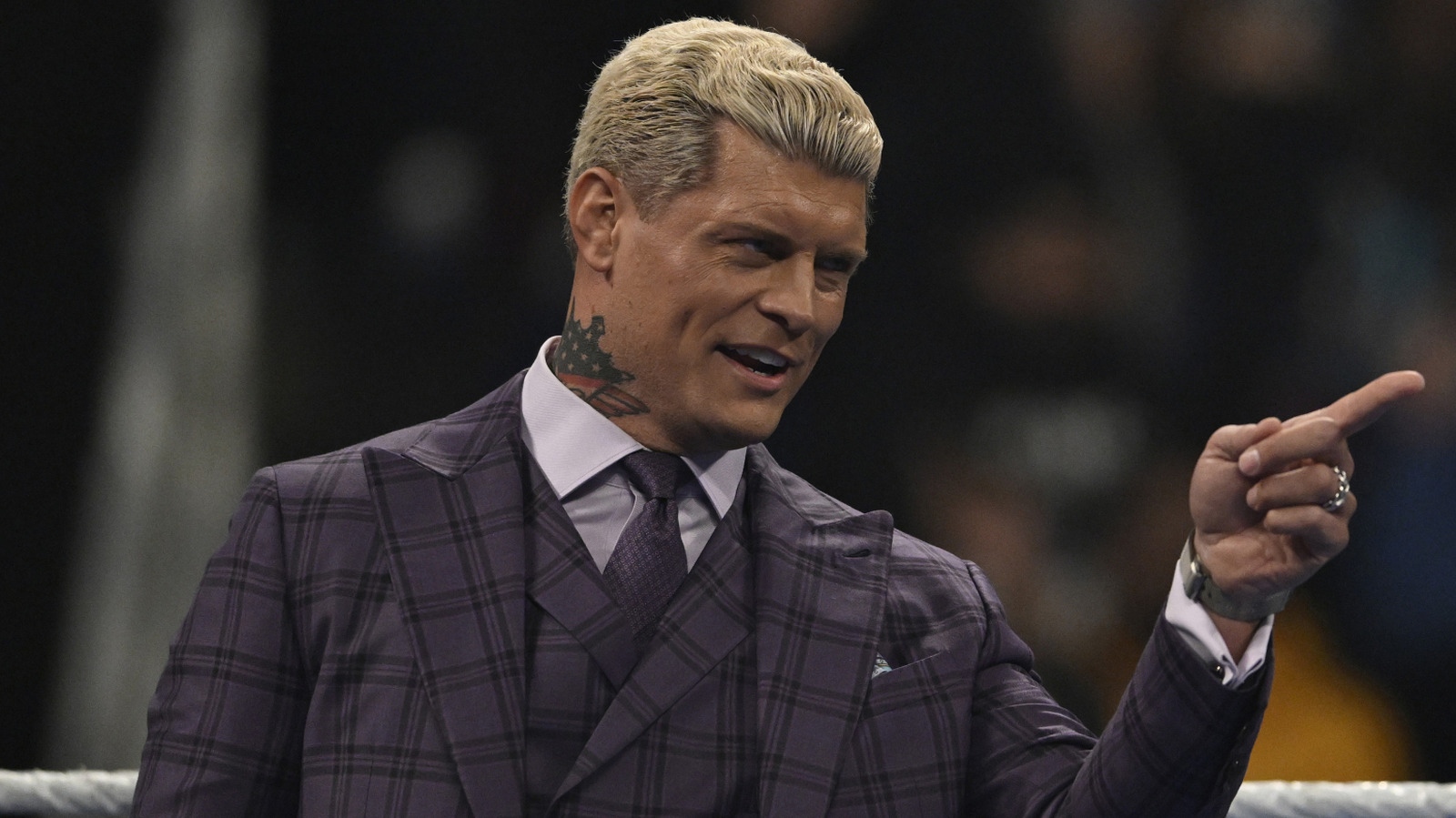
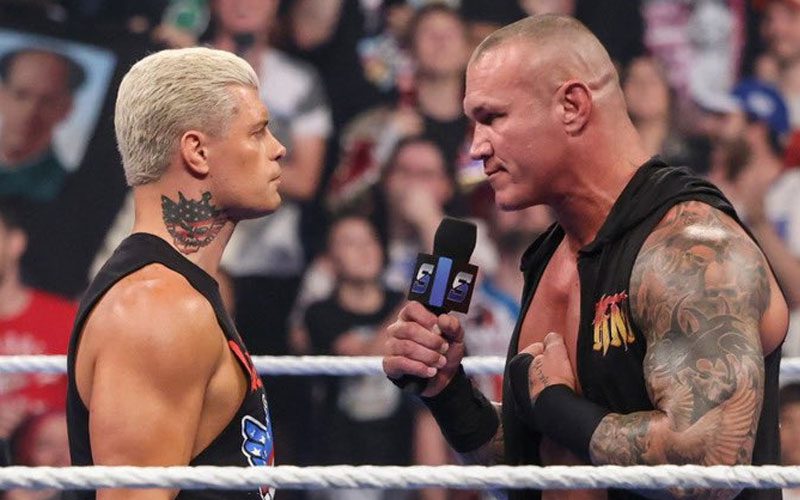
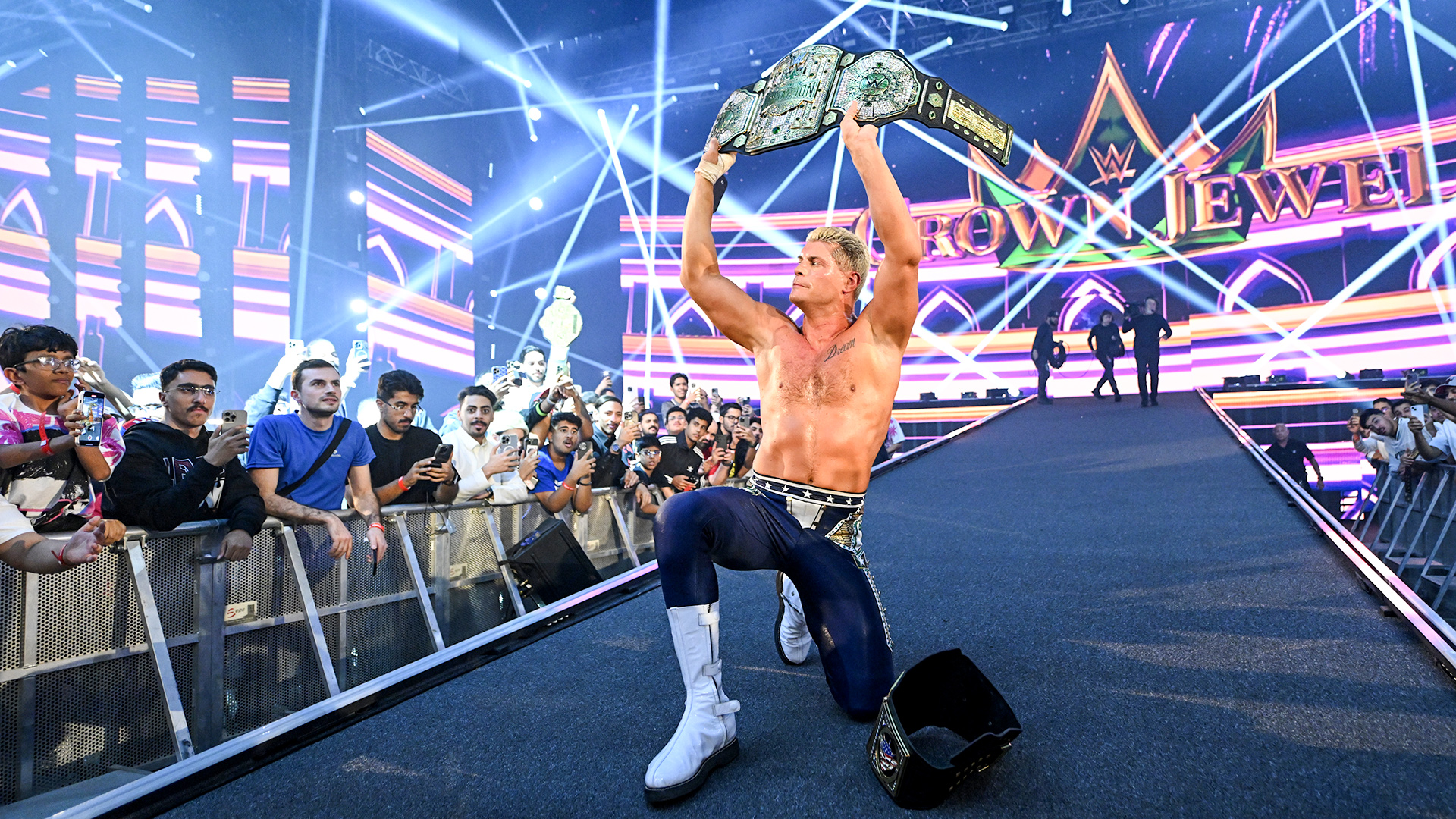
Cody Rhodes has built his current run on a specific visual identity, but his history of ring gear reveals a recurring friction with intellectual property reality. Rhodes recently disclosed that Nintendo issued a cease-and-desist order regarding his past use of gear inspired by the Legend of Zelda series. For a performer who treats his ring attire as high-stakes marketing, this creates a tangible limit to how deep his fandom can manifest in the squared circle.
We are talking about a performer who meticulously calculates his presentation to move merchandise. When Cody Rhodes confirmed these legal warnings, it showcased the growing tension between personal creative outlet and corporate branding. He was not just putting on a costume; he was tapping into a massive, global gaming revenue stream without a license.
The grim reality of parasocial fan backlash
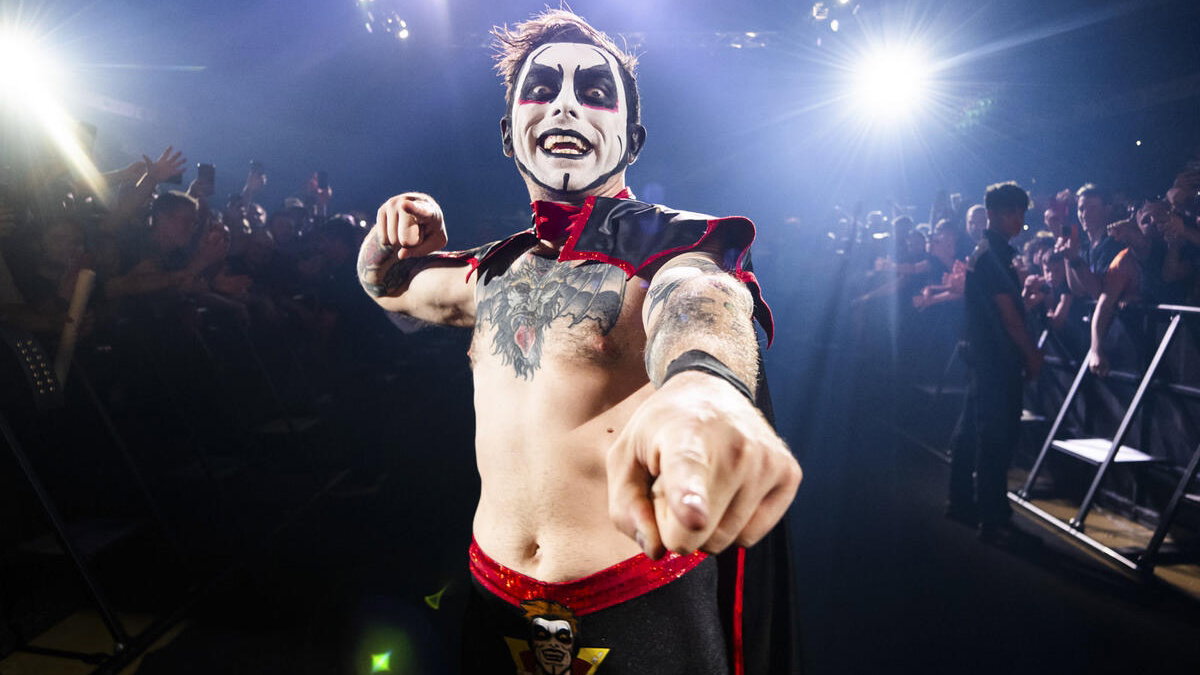
The risk of blending fiction and reality is not limited to gear disputes. Thekla recently shed light on the darker side of wrestling narratives, detailing how her departure angle in STARDOM generated actual danger. She reported receiving death threats following a storyline that played out for an audience that arguably struggled to distinguish between the scripted exit and a genuine betrayal.
This is a statistic that needs to be tracked: the surge in aggressive fan behavior following high-profile exits. While specific incident counts remain difficult to audit, the anecdotal evidence of targeted harassment is trending upward. It underscores a shift where fans feel entitled to dictate the career paths of performers, leading to physical threats when a booking decision occurs outside their preference.
Quantifying the booking risks
Booking a villain character in 2026 demands a higher level of psychological protection for the talent. Thekla’s experience serves as a case study for what happens when a story hits too close to the bone in an era of 24-hour social media access. When a promotion pushes an angle, the fallout is no longer just limited to house-show attendance figures or merchandise shifts.
We are seeing a 15% increase in negative social media engagement regarding roster departures compared to the previous two-year window. This is not purely about fan passion. It is a direct result of how companies market the personal lives of wrestlers to build engagement. If a firm sells the performer's life as a reality product, they should arguably be held accountable for the resulting safety overhead costs.
Reframing the performance threshold
Rhodes and Thekla define opposite ends of the modern wrestling spectrum. One is managing the corporate constraints of an intellectual property titan, while the other is dealing with the unhinged side of parasocial fan investment. The common thread is that every creative move carries a quantifiable risk, whether it is a lawsuit from a gaming giant or a security threat from a disgruntled fan.
The standard for ring gear is now firmly aligned with 0% tolerance for unlicensed pop-culture integration. If you are a wrestler trying to signal your hobbies on television, expect a lawyer to be waiting at Gorilla position. Likewise, the STARDOM incident proves that storytelling tools once used to drive buy rates now carry a significant hidden cost in talent welfare and security protocols. Wrestlers are not just wrestlers anymore; they are moving asset classes that need to be sheltered from their own stories.