The American Nightmare meets the Nintendo Legal Team
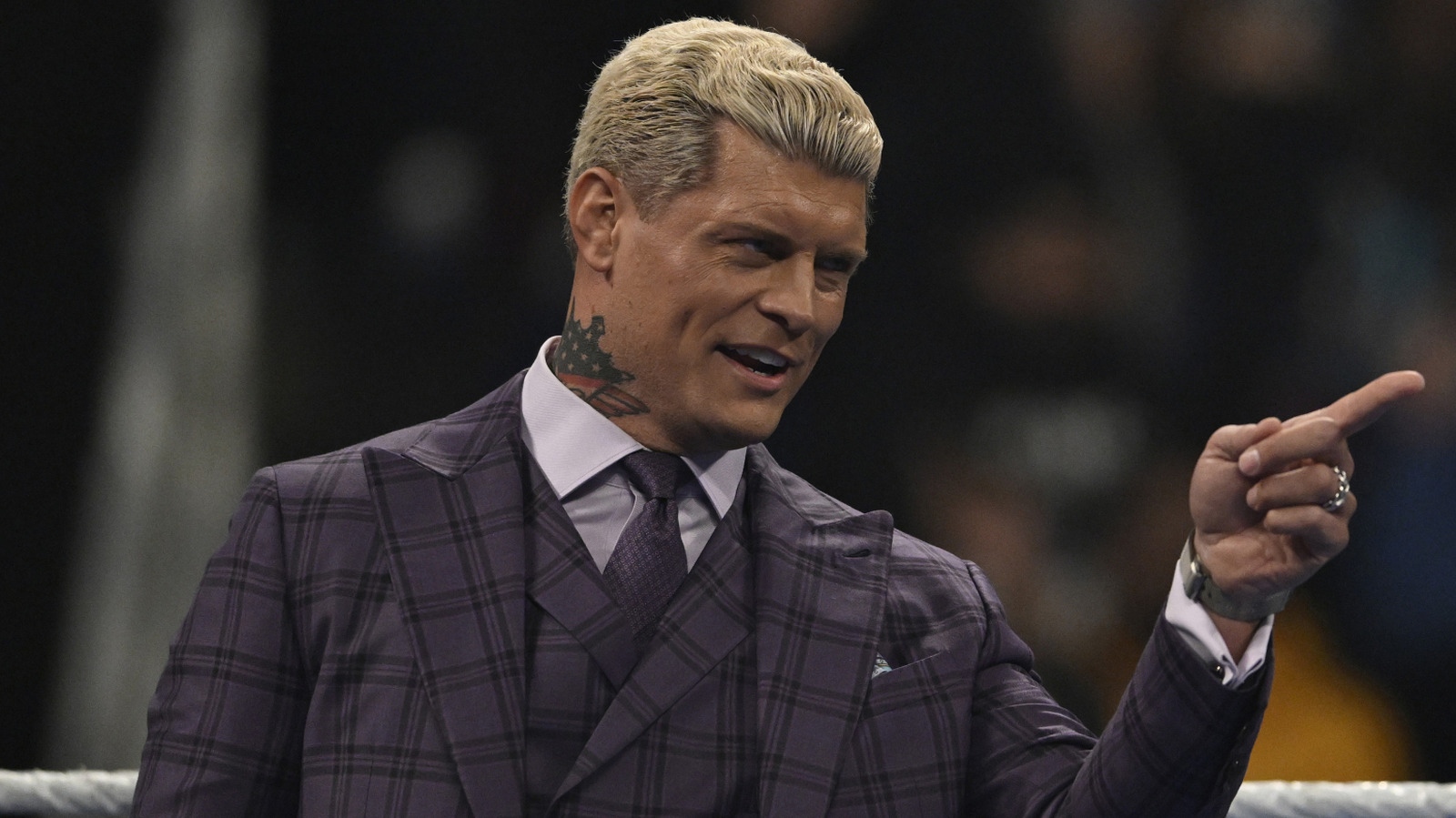
Cody Rhodes has spent the last two years cementing himself as the most corporate-friendly face in the history of professional wrestling. He is the Undisputed WWE Champion, a man who wears a suit to the grocery store and speaks with the polished cadence of a Fortune 500 CEO. But even the man who finished the story isn't immune to the most feared legal department in the world of entertainment. In a recent reveal that has circulated through the industry this week, Rhodes confirmed that Nintendo officially shut down his Zelda-inspired tributes.
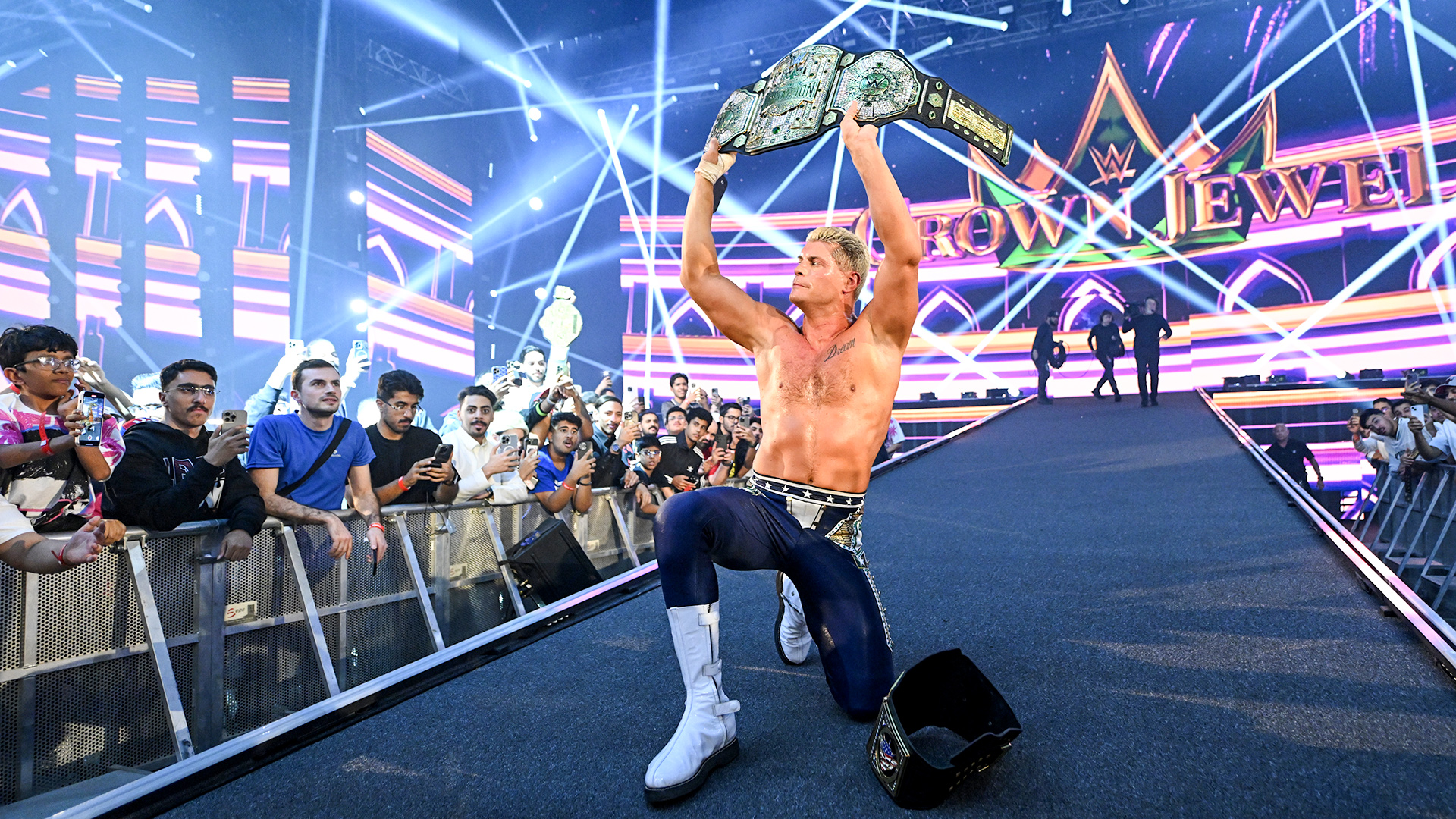
For years, Rhodes has worn his fandom on his sleeve—or more accurately, his boots. A lifelong fan of the Legend of Zelda series, particularly A Link to the Past, Cody frequently incorporated the iconic Triforce symbol into his ring gear. It was a subtle nod to the gaming community that felt authentic because Cody actually knows his way around a SNES controller. However, as Ringside News reported, that era of tribute gear has come to a screeching halt thanks to a formal cease and desist from the Kyoto-based gaming giant.
The Triforce Boots and the C&D
Cody Rhodes has never hidden his love for gaming culture — but apparently, one of his old wrestling tributes got Nintendo’s attention.
The issue stems from the specific use of the Triforce on the tongue of his wrestling boots. While many wrestlers use pop culture references as a way to build a brand—think Rey Mysterio’s Marvel-inspired WrestleMania looks or Great-O-Khan’s anime influences—Nintendo is notoriously protective of its intellectual property. They don't see it as a "tribute." They see it as an unauthorized association with a brand that they control with an iron fist. It is a bit of a reality check for Rhodes. For all the talk about being the face of WWE, he is still just another guy on a spreadsheet when a billion-dollar entity decides his footwear looks too much like Link’s equipment.
The timing of the reveal is interesting. Cody is currently at the peak of his merchandising power. Every piece of clothing he wears is eventually turned into a $40 t-shirt on the WWE Shop. When you reach that level of visibility, you can no longer fly under the radar with "fan art" gear. Nintendo likely saw the increased screen time Cody was receiving and decided to protect their trademarks before a Triforce-branded Cody Rhodes action figure hit the shelves of every Walmart in America. It's a cold, calculated business move that highlights the friction between personal fandom and professional branding.
Why this matters for wrestler branding
This isn't the first time a wrestler has run into IP trouble, but it feels different when it happens to Cody. In the past, guys like Will Ospreay or Kenny Omega have used gaming references on the independent scene or in Japan where legal departments are less likely to hunt them down. But Cody is operating on a different plane. He is the flagship of a publicly traded company. Every time he stepped into the ring with that Triforce logo, he was technically creating a liability for WWE. It is honestly surprising it took Nintendo this long to pull the trigger on the legal paperwork.
The irony here is that WWE itself is a licensing machine. They will sue a local car dealership for using the name "WrestleMania" in a radio ad, yet their top star was walking around with a Nintendo logo for years. It’s a messy double standard that exists in the wrestling world. We want the performers to feel like real people with real hobbies, but the lawyers want them to be sanitized vessels for corporate-approved logos only. The result is a move toward more generic "superhero-adjacent" gear that looks like it belongs in a budget action movie rather than a genuine tribute to a classic game.
Thekla and the dark side of STARDOM exit angles
While Cody is dealing with the frustrations of corporate law, former STARDOM star Thekla is revealing a much darker side of the industry. In a recent interview, the "Toxic Spider" opened up about the fallout from her departure from the Japanese promotion. Wrestling fans often pride themselves on their passion, but that passion curdled into something dangerous during Thekla's final run. According to her, the exit angle—designed to generate "heat" and send her off with momentum—instead triggered a wave of genuine vitriol that crossed the line into criminal behavior.
As reported via interview reveals, Thekla was the target of death threats from fans who couldn't distinguish between a scripted betrayal and real-life malice. This isn't just a case of a few mean tweets. We are talking about a coordinated effort by a segment of the audience to make a performer feel unsafe for simply doing her job. Thekla’s exit was meant to be a pivotal moment in her career, but it became a masterclass in why the "worked shoot" style of booking can be a double-edged sword for the talent involved.
When 'Heat' turns into harassment
Thekla is revealing just how wild the fallout became after her explosive STARDOM exit angle — because according to her, fans were sending death threats.
There is a massive failure in management when an angle gets this out of hand. STARDOM has a reputation for high-intensity storytelling and a very dedicated, sometimes obsessive, fan base. When the promotion books an angle that involves deep personal betrayal or "leaving the family," they are playing with fire. If the company isn't providing a safety net for the performer—both physically and digitally—they are failing their employees. Thekla is a professional who knows how to work a crowd, but no one is trained to handle a legitimate threat on their life over a storyline about who is friends with whom in a locker room.
The most frustrating part of this story is that it happened in 2026, an era where we should know better. We have seen the tragic consequences of online harassment in the Japanese wrestling scene before. You would think that a promotion as prominent as STARDOM would have protocols in place to monitor the temperature of the audience and step in when things become toxic. Instead, it seems Thekla was left to navigate the swamp of fan entitlement on her own. It’s a glaring reminder that for all the progress wrestling has made in terms of match quality and production, the treatment of the humans behind the characters is still stuck in the dark ages.
The cost of being a public figure in 2026
Whether you are Cody Rhodes being told you can't wear your favorite game logo or Thekla being told you aren't safe in your own inbox, the message is the same: the industry is more demanding than ever. The barrier between the performer and the audience has been completely demolished. In the case of Cody, the barrier was removed by corporate interests who want every inch of his body to be a monetizable asset. In the case of Thekla, it was removed by a fan base that feels they own the performers’ lives and choices.
There is a cynical observation to be made about Cody's situation. He spent years building the "American Nightmare" brand as an alternative to the rigid WWE structure, only to return and find himself even more restricted. He traded the freedom of the indies for the $50 million visibility of the WWE title, and the cost of that trade is his ability to show a bit of personality in his gear. It’s a fair trade in his eyes, likely, but it makes the character feel just a little bit more like a plastic toy and a little less like the guy who used to talk about Zelda in high school.
As for the fans, we need a collective wake-up call. The death threats sent to Thekla are a stain on the wrestling community. If you find yourself so angry about a scripted exit that you feel the need to threaten a stranger, you haven't "bought into the story"—you've lost your grip on reality. The wrestling industry needs to do a better job of protecting its stars from this kind of targeted harassment. Until promotions take responsibility for the fire they stoke with these angles, performers will continue to pay the price for the audience's worst impulses. It’s a 24-hour cycle of news and noise that shows no signs of slowing down, but at some point, the humans in the ring need to be more than just content.
Read Next
- Cody Rhodes' Nintendo problem and the ugly reality of wrestling fandom
- Thekla and the dangerous blur of reality in wrestling
- WWE finally realized that May shouldn't be a boring month for RAW
- AEW is leaning into chaos as the road to Las Vegas hits a fever pitch
- 🏆 WrestleMania 41 — Full Coverage Hub
- 💥 WWE Backlash 2026 — Full Coverage Hub