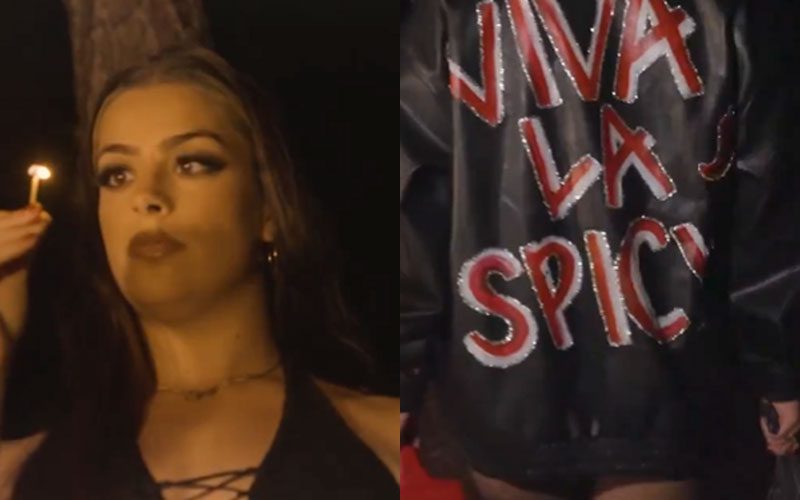
The Performance Center meat grinder claims another victim
If you spent your Tuesday nights watching NXT Level Up—and let’s be honest, only about twelve of us do—you might have recognized Sirena Linton. The former Arizona gymnast was part of the high-profile WWE LFG (Next Gen) program, the corporate pipeline designed to turn college athletes into the next Tiffany Stratton. But as of this weekend, that dream is officially cooked.
Linton took to social media to confirm her exit from the company, and the wrestling internet reacted with its usual level of calm, rational discourse. Which is to say, everyone immediately started screaming about whether the NIL program is a revolutionary scouting tool or a massive waste of Triple H’s budget. It’s the same argument we’ve been having since the Performance Center opened its doors, just with a new name on the release list.
The timing is brutal too. We are exactly six days away from WWE Backlash 2026, a time when the main roster is gearing up for a massive international show while the developmental kids are just trying to keep their lockers. Linton’s departure isn't a shock to the system, but it serves as a cold reminder that being a world-class athlete doesn't mean you can sell a headlock.
The Indie Purists are taking a victory lap
As soon as the news broke, the "I told you so" crowd crawled out of the woodwork. There is a vocal segment of the fanbase that still believes the only way to become a wrestler is by spending five years in a van eating cold tuna and wrestling for thirty people in a high school gym. To them, every NIL cut is proof that you can't manufacture passion in a warehouse in Orlando.
The argument from this camp is simple: you can teach a gymnast how to take a back bump, but you can’t teach them to love the business. One sentiment echoing through the forums was that these athletes see WWE as a fallback plan rather than a destination. They see a paycheck and a chance to get some Instagram followers, but they don't have that "it" factor that comes from grinding on the independent circuit.
It’s a harsh take, and honestly, a bit cynical. But when you look at the track record of the Next Gen program, you start to see where they’re coming from. For every Stratton or Creed Brother, there are dozens of Sirena Lintons—athletes who look incredible on a poster but never quite figure out how to tell a story between the ropes. The purists want to see more names like AJ Styles or Kevin Owens, guys who didn't need a corporate scout to tell them they were wrestlers.
The Pipeline Defenders call it quality control
On the flip side, the NXT stans are out here defending the system like their lives depend on it. Their argument is that the Performance Center is doing exactly what it was designed to do: filter out the people who aren't going to make it. In their eyes, releasing Linton isn't a failure of the program; it’s a sign that the standards are higher than ever.
One common perspective shared online was that WWE is essentially running a professional sports tryout. You sign fifty athletes, you put them through the ringer, and you keep the three who actually show promise. If Linton wasn't progressing fast enough, why keep her on the books? It’s a ruthless way to run a business, but it’s how you find the one percent that actually turns into a superstar.
These fans point to the incredible athleticism Linton brought to the table. She was a standout gymnast who could probably out-flip half the men’s roster. The defenders argue that you have to take these swings because the upside of finding a generational talent is worth the cost of forty-nine failed experiments. They see the PC as a lab, and sometimes the chemicals just don't react.
The reality of the LFG program is a numbers game
Let’s be real for a second. The LFG/Next Gen program is basically Shawn Michaels playing a real-life version of a scouting simulator. He’s looking for the highest possible ceiling. Sirena Linton had the athleticism, she had the look, and she clearly had the work ethic to compete at a D1 level. But pro wrestling is a weird, beautiful, stupid sport that requires a specific kind of charisma that you can't measure with a vertical leap.
The problem with the "athlete first" approach is that it assumes wrestling is just a series of moves. It’s not. It’s about making a crowd in some random town in Florida care whether you win or lose a match that lasts three minutes on a Tuesday night. If Linton couldn't bridge that gap, then the release was inevitable. It’s not a knock on her as an athlete; it’s just the reality of the industry.
There’s also the issue of the logjam at the PC. With the NIL program constantly pumping in new recruits, there’s only so much room on the Level Up tapings. If you aren't showing immediate growth, you're just taking up space that could go to the next track star or defensive end who just walked through the door. It’s a conveyor belt that never stops moving.
"The NIL program is a great idea on paper, but it’s starting to feel like a revolving door where we lose talented athletes before they even get a chance to debut on the main NXT show."
Where does Sirena go from here?
The big question now is whether Linton tries to stick it out in the business or heads back to a normal life. We've seen people get cut from the PC and immediately show up in TNA or on the indies, suddenly realizing they love wrestling once the corporate safety net is gone. Or, she could just take her degree and her athletic background and do literally anything else for more money and less physical toll.
The skeptics will say she’ll never touch a ring again. They’ll use her as a case study for why WWE should stop recruiting from college campuses and start looking at the local wrestling schools again. But that ignores the fact that the current WWE champion is a guy who understands the value of a polished presentation, something the PC excels at teaching.
My take? The NIL program isn't going anywhere, but WWE needs to be more transparent about what they’re looking for. Releasing someone like Linton, who seemed to have all the physical tools, sends a message that the "look" isn't enough anymore. You actually have to be able to work. In a post-WrestleMania 41 world, where the work rate is through the roof, there’s no room for projects that don't project.
The verdict on the Linton release
Ultimately, this is a minor story that highlights a major divide in the wrestling world. We love to argue about where our stars come from. We want them to be self-made legends, but we also want them to look like Greek gods and move like Olympic sprinters. You rarely get both in the same package.
Linton was a low-risk, high-reward gamble for WWE. They spent some money, gave her some training, and decided the ROI wasn't there. It’s business. It’s boring. But for the fans who live and die by the NXT roster, it’s another chapter in the never-ending war between the "pure" wrestlers and the "manufactured" athletes.
As we head into Backlash, nobody is going to be talking about Sirena Linton. That’s the saddest part of the developmental system. You can give zero percent of your life to this business and still get chewed up and spat out before anyone even learns your finisher. Here’s hoping she finds whatever is next, whether it’s in a ring or far away from the drama of Orlando.