The regional bottleneck
Focus Pro Wrestling is carving out a niche in the Massachusetts independent scene, regularly utilizing unique venues like the Great American Beer Hall in Medford and the Widow Maker Brewing facility in Braintree. While these spaces provide an intimate atmosphere, the product has hit a tactical wall. The reliance on recurring names like Brian Bayside and Zicky Dice, as seen at the Misery Business card, suggests a booking pattern that favors comfort over necessary disruption.
The promotion clearly values consistency. Mance Warner’s successful defense of the IWTV Championship against Bayside at “All The Small Things” was a functional bout, but it lacked the urgency required to elevate the company beyond regional curiosity. When you rely on the same rotation, the match quality stabilizes into a predictable rhythm. The 3-star standard is safe, but it stops fans from expecting anything revolutionary.
The internal logic of talent deployment
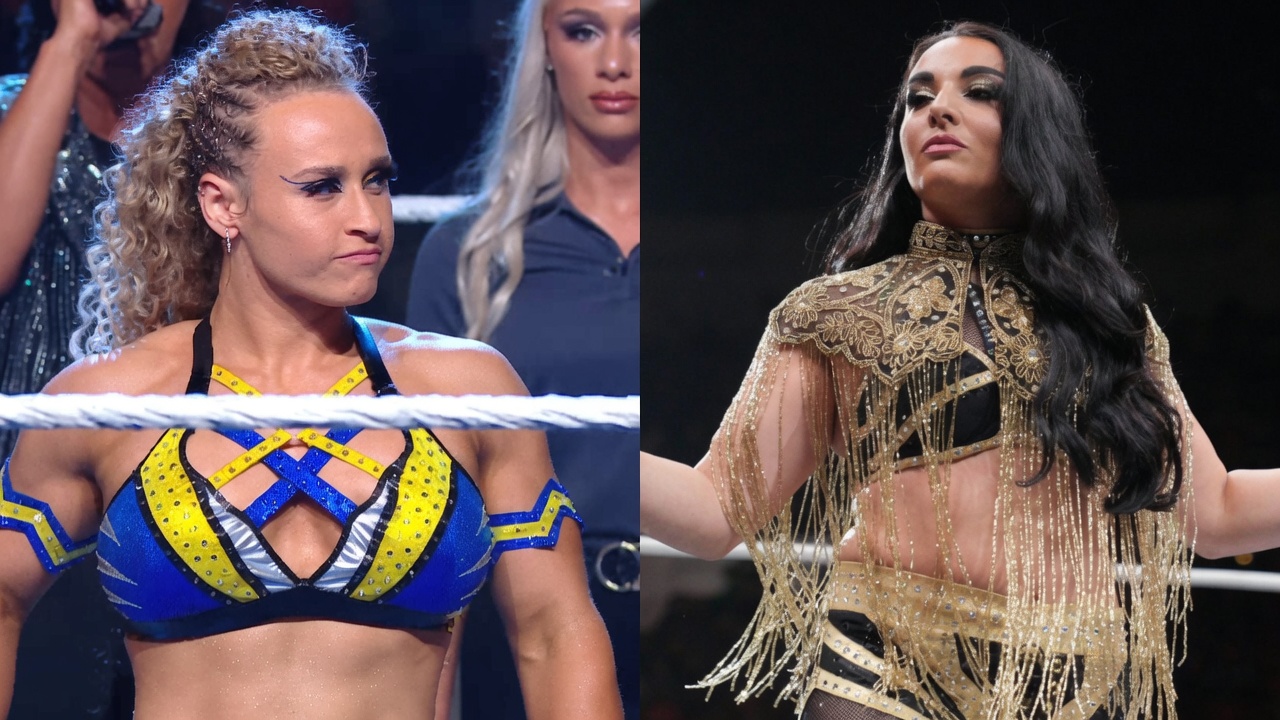
The recent All The Small Things event featured a significant win for Steph De Lander, who captured the Focus Pro Women’s Championship. This was a necessary move. De Lander provides a distinct intensity that stands out against some of the more relaxed pacing found in other matches on the card. Utilizing a talent with clear direction is the first step toward improving the booking ceiling.
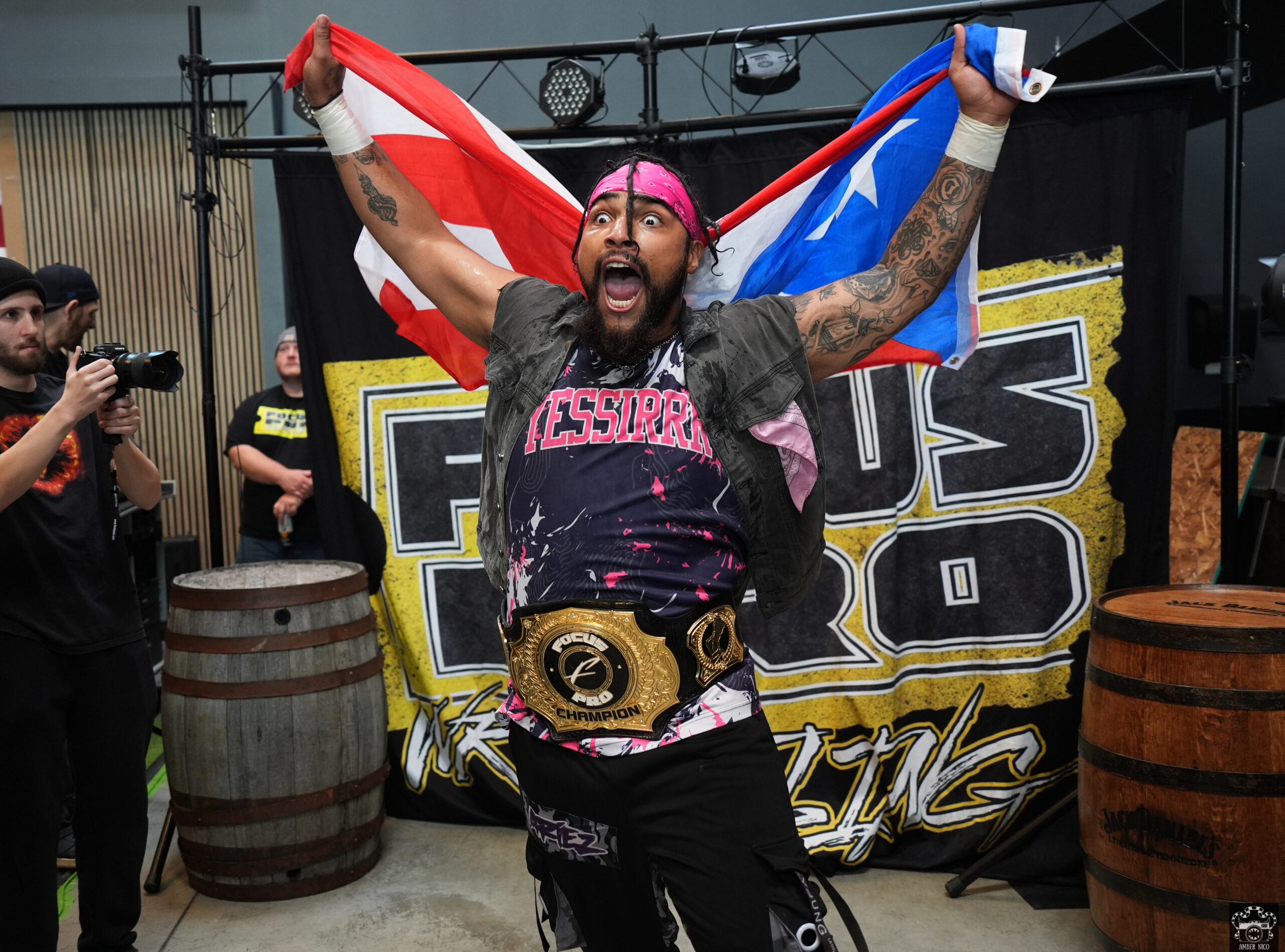
Conversely, the decision to have Mani Ariez defeat Frankie Kazarian to retain his standing is questionable from a momentum standpoint. Kazarian brings a level of technical polish that elevates opponents, but pinning him repeatedly often yields diminishing returns for your established foundation. Stacking wins over veterans is only useful if the challenger evolves their in-ring psychology, something that hasn't fully materialized in these recent outings at Misery Business.
Data gathering as a growth vector
For a promotion at this stage, the business side is just as important as the card order. Understanding audience engagement and regional metrics isn't trivial. It is easy to ignore the backend when booking shows, but as PWInsider data experts have indicated, reliable intelligence regarding show attendance and interest spikes is finite. If the company isn't tracking which workers actually move the needle in South Shore versus the Greater Boston area, they are flying blind.
My critique is simple: stop the cycle of filler matches. We saw Diego Alvarez defend his self-made 'Face of Focus Pro' title against El Gringo Loco in Braintree, a contest that felt more like an exhibition than a burning issue. Titles - legitimate or otherwise - should serve as the focal point for the strongest stories. When the booking feels arbitrary, the crowd response follows suit. The current limit is 200 attendees per event, a figure that will remain stagnant unless the storytelling finds a sharper edge.
The outlook
Looking at the next cycle, the roster depth is adequate, but the application is poor. I expect the next main event to be a multi-person scramble or a standard title defense that fails to capitalize on the strengths of the division. Without a shift in how they rotate talent, the promotion will remain a footnote in the Massachusetts indie circuit. My prediction is a draw for ticket sales because they are betting on nostalgia rather than building new marquee stars.