The physical toll of Cardona's current run
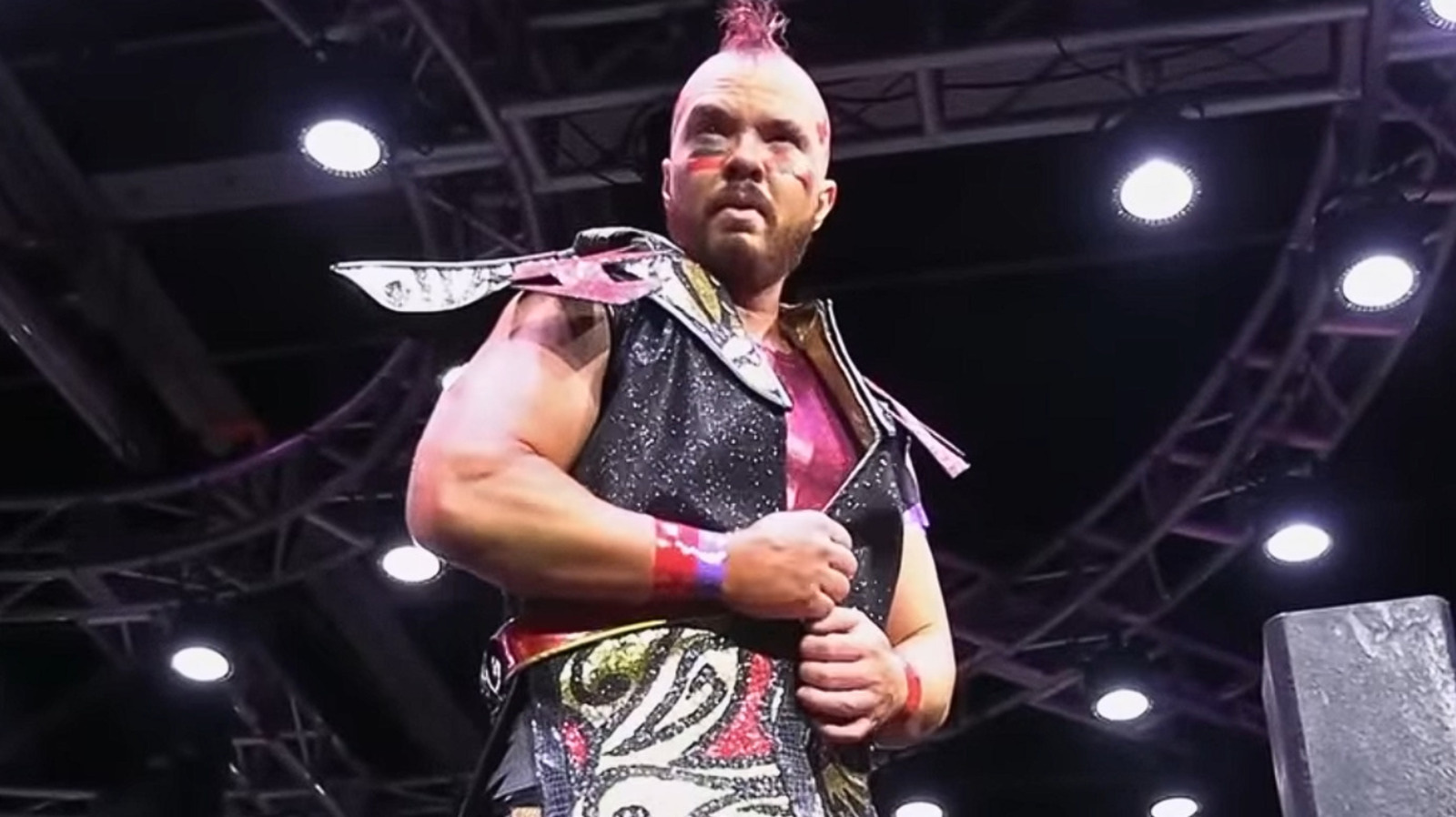
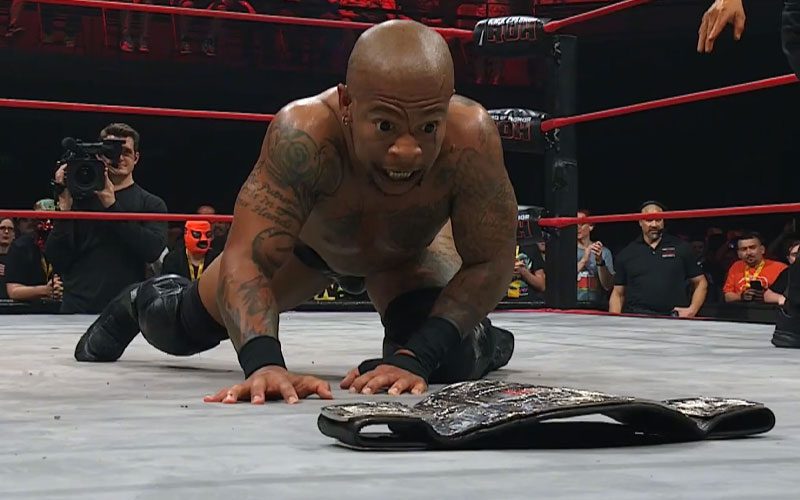
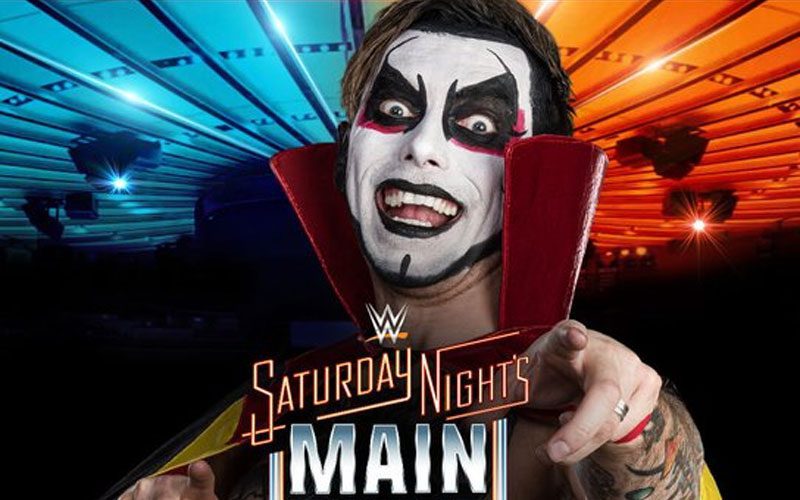
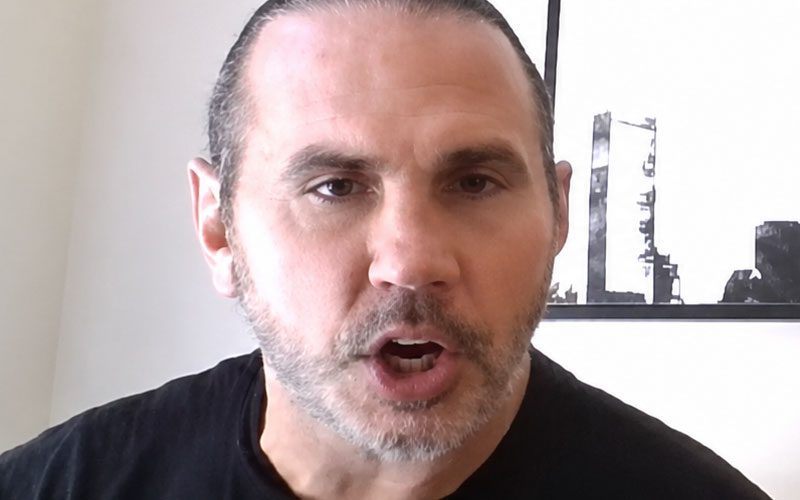
Matt Cardona is taking a beating. While fans and fellow performers like Danhausen are framing the situation through the lens of a supernatural curse, the reality playing out on screen tells a more grounded, brutal story. Cardona is currently being pummeled on a weekly basis, a booking strategy that has left him selling significant physical trauma inside the ring.
As WrestleTalk recently reported, the frequency of these beatdowns has reached a point where even his peers are questioning the long-term sustainability of his current character direction. The repeated attacks have created a noticeable decline in his competitive efficacy. If he continues to take this volume of high-impact maneuvers without securing a definitive win, the damage to his kayfabe standing will be difficult to undo.
The 'Zack Ryder' narrative as a recovery roadmap
Danhausen, in particular, has been vocal about the need for a tactical reset. The suggestion that Cardona needs to be "cursed back" into his former identity is more than a comedic bit; it is pointing toward a major disconnect between his current persona and the physical reality he faces in the ring. The constant physical depletion suggests his current character arc has boxed itself into a corner.
Historically, when wrestlers undergo this degree of consistent physical degradation without a payoff, the product suffers. We have seen this cycle before with mid-card talent being used as human crash test dummies to elevate younger or more stable acts. Unlike the strategic, long-term building of stars described by veterans who value character preservation—such as Matt Hardy's approach to the TNA roster—Cardona’s current arc feels directionless.
Strategic concerns for the brand
There is a growing concern that this booking is squandering a veteran asset. Cardona is a known draw who understands how to maintain audience investment, yet he is currently booked like a disposable warm body for the opposition. If he remains on this trajectory, the primary threat is not just a loss of credibility, but a real-world injury risk associated with taking high-frequency, high-impact spots on a weekly basis.
The lack of a corrective measure suggests that management either lacks a long-term plan for his return to relevance or is indifferent to his character's degradation. Whether or not you buy into Danhausen's occult explanations, the metrics of his recent performances are clear: he is absorbing significantly more punishment than the average roster member while gaining zero momentum. This trend is a strategic misstep that cheapens his value.
Missing the pivot point
A smart promotion uses a veteran like Cardona to sharpen the blades of up-and-coming talent, but there has to be a reciprocal benefit. At this stage, he is essentially functioning as an anvil for others to hammer. Without a pivot toward a more protective storyline—or an evolution of his current persona, such as the widely discussed return to his former branding—he will continue to be a casualty of indifferent booking.
Internal morale often mirrors how the company handles its veterans, and the constant cycle of defeat sends a signal that institutional longevity is not prioritized. As noted by observers tracking the broader TNA personnel atmosphere, maintaining talent confidence requires careful management of how characters are utilized. For Cardona, the current booking is a textbook example of how not to protect a high-tier talent.
Unless there is a dramatic shift in his booking rhythm within the next month, his competitive viability will remain at 0% for the foreseeable future. He is effectively sidelined by his own storyline. Until the creative team decides to pull the curtain back on a more sustainable path, Cardona will keep hitting the canvas—and his stock will keep sliding.