The Cardiff card exposes a flat reality for international house shows
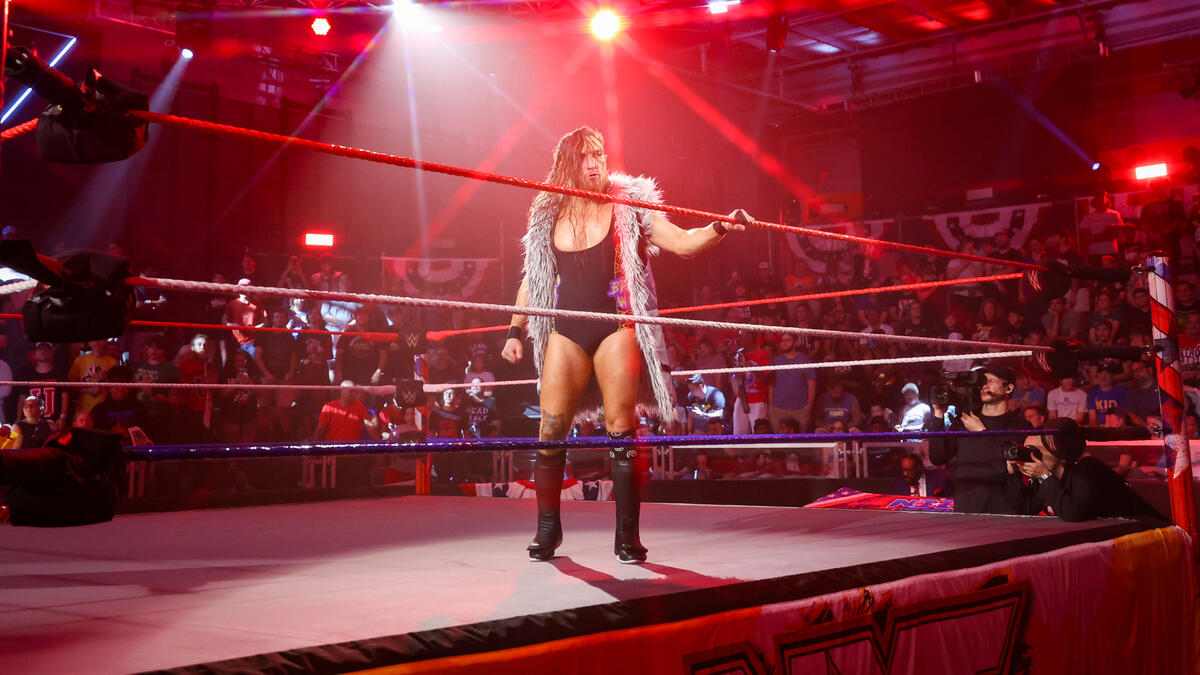
The WWE tour hit Cardiff, Wales, this morning with a lineup that looked more like a bridge between major PLEs than a destination event. Following the results logged during the 6/20 Cardiff show, the roster feels spread thin across the Atlantic. Fans inside the arena saw standard matches that lacked the high-stakes narrative progression expected of current television booking.
We are seeing repetitive patterns in these international house shows. When the creative team relies on filler contests to fill arena dates, the energy shifts from electric to obligatory. Last summer, the company pushed hard for premium international experiences, but the Cardiff outing felt like a routine maintenance stop.
Missing the mark on match pacing
The pacing of these house shows often reveals how little incentive the performers have to take real risks. In Cardiff, the sequences played out by the book. It was clear that protecting marquee talent took priority over building a compelling story through the final bell.
Technical execution remained high, but the psychology felt muted. We saw the standard babyface-in-peril spots followed by the predictable hot tag, a formula that has lost its impact after dozens of similar house show loops. Even the top stars on the card seemed to be working at 70 percent capacity to avoid any unnecessary injury risk before the summer momentum truly starts.
Real talent deserves better booking
It is frustrating to see top-tier performers slotted into sequences that don't allow them to differentiate their characters. The booking in Cardiff ignored the nuances of their established feuds, opting for safe, interchangeable spots instead of distinctive maneuvers. If the company wants to keep international crowds engaged, they need to offer something beyond the routine house show template.
The lack of variation in these matches suggests an over-reliance on a standardized product. When every international stop looks identical, the value of buying a ticket goes down. Management should be providing unique variables for these shows, whether through specific stipends, different match pairings, or more aggressive creative stakes.
The verdict on the Cardiff production
Booking a show on a Friday morning local time creates a strange atmosphere, and the energy in the building reflected that reality. The performance level was technically competent, but the match quality suffered from a lack of urgency. I would peg the overall success of this specific event at a 5/10, marking it as a missed opportunity to build meaningful heat before the next major PLE.
My prediction for the remainder of this tour is more of the same unless the creative office decides to treat these shows as actual canon. Expect safe, house-show style finishes for the next two weeks of travel. I expect a shift only once the hard cam returns to domestic television in July.