The cost of accessibility
Deonna Purrazzo is grappling with the reality of fan interaction after a harrowing incident involving an unidentified individual. The wrestler spoke out this week, detailing a situation that escalated beyond the typical boundaries of parasocial engagement. While the pro wrestling industry prides itself on being the most accessible sport, this episode highlights a dangerous void in talent protection protocols.
As reported by PWInsider, the encounter was significant enough to prompt a conversation with law enforcement. The frustrating reality, as detailed in recent coverage from F4WOnline, is that police were unable to file a formal report. This leaves the talent in a localized limbo: they are expected to be available for fans, yet the institutional mechanisms to address genuine safety concerns are alarmingly hollow.
The victim-blaming machine
The aftermath of the story has spiraled into a secondary conflict. Purrazzo found herself defending the validity of her own fear against a digital chorus of critics. She recently noted that parts of the internet seem eager to paint women as if they are manufacturing a narrative to frame themselves as victims. Expecting a professional athlete to sacrifice their safety to satisfy the expectations of anonymous online commentators is a failure of basic digital literacy.
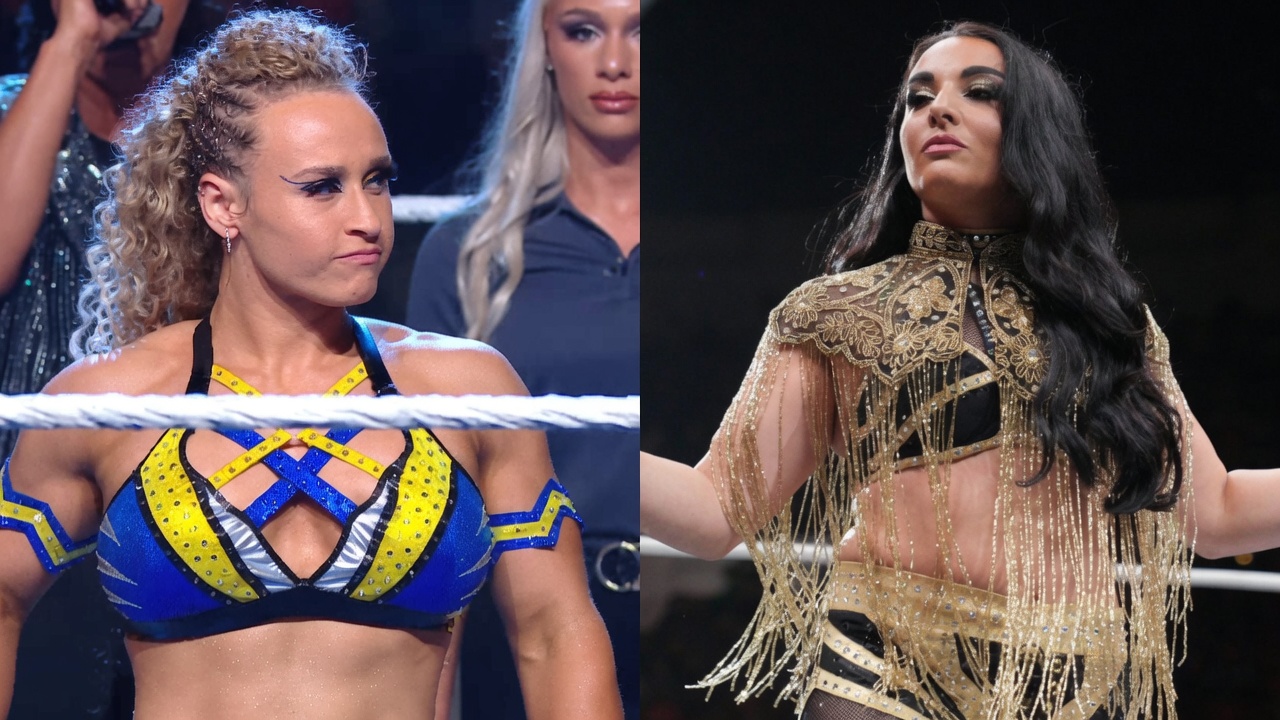
This defensive posturing underscores how vulnerable wrestlers are when they step outside the squared circle. It is not an isolated incident. Jordynne Grace recently issued public warnings regarding fan safety, signaling that talent is growing weary of waiting for promotions to implement stricter boundaries. The fact that top-tier athletes are now forced to act as their own security details is a damning critique of the current status quo.
Institutional drift
The chaos extends beyond fan interactions. Purrazzo and Myla Grace recently engaged in a public dispute with AJ Francis following comments made regarding TNA operations. As Ringside News outlined, the discourse surrounding locker room dynamics and company departures has become increasingly toxic. When talent is busy managing conflict with former colleagues while simultaneously navigating genuine safety threats from the general public, the focus on actual in-ring performance inevitably suffers.
The lack of a coherent response from major entities to these recurring issues is the actual crisis. Historically, promotions have banked on the idea that public proximity helps ticket sales. We are now seeing the bill come due for that strategy. The total count of talent speaking out on safety, stalking, and harassment is climbing. It creates a precarious situation: if the performers don't feel secure in public, the standard meet-and-greet business model will eventually hit a wall.
Strategic risks
From an industry standpoint, there is no standardized protocol for dealing with stalking incidents or aggressive fan behavior. Most wrestlers are left to manage these disasters on a case-by-case basis. If the promotion isn't providing a pathway to escalate these problems to professional security or law enforcement, the talent is fundamentally unprotected.
We are watching a shift in how the roster views their employer's duty of care. The criticism isn't just about one incident; it's about the lack of interest from the machine to protect its parts. If promoters continue to view these events as minor PR hurdles rather than fundamental safety breaches, they risk alienating the very individuals who carry the product. The current environment is unsustainable for anyone prioritizing long-term career stability over the appearance of casual availability.