Measuring the physical toll on veteran indie talent
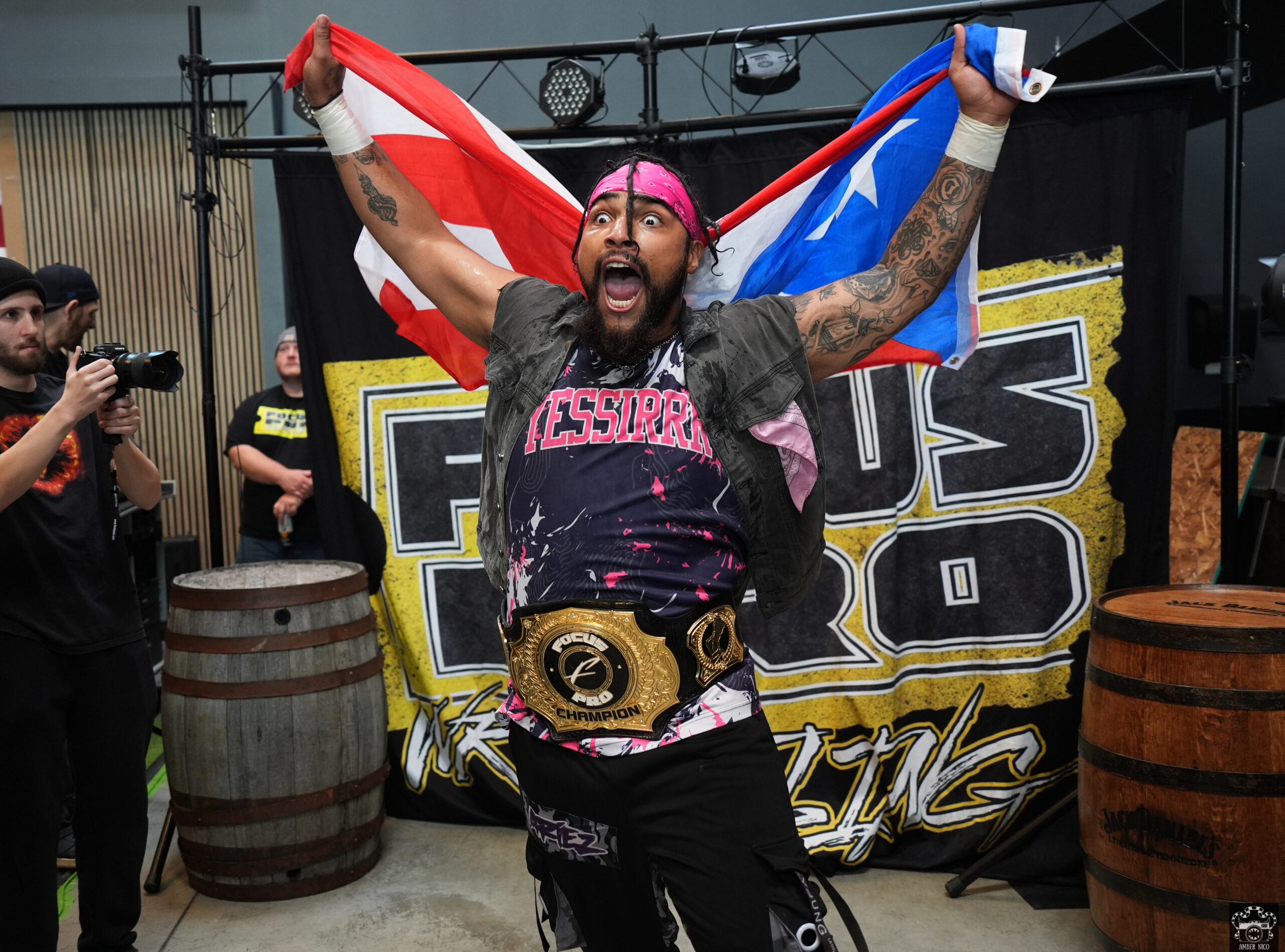
Frankie Kazarian’s recent loss to Mani Ariez at the Focus Pro Wrestling 'All The Small Things' event in Medford, Massachusetts, serves as a harsh reminder of the physical tax required to maintain an active independent schedule. Kazarian, a career technician known for his longevity, struggled significantly by the closing minutes of the bout. His mobility appeared limited post-match, marking a departure from his usual high-energy pace.
Independent wrestling remains a grueling grind, exacerbated by frequent travel and a lack of consistent medical support common in top-tier promotions. While Kazarian’s veteran status allows him to adapt, the sheer frequency of high-impact spots on regional circuits often bypasses necessary recovery windows. When a performer of his experience level displays visible fatigue and restricted movement, it suggests the collective impact of months of intense schedules rather than a solitary momentary lapse.
The strategic and booking implications of veteran exhaustion
Promoters often rely on established names like Kazarian to anchor cards, but overexposure risks diminishing their efficacy. When a veteran must compensate for a physically draining schedule, the quality of both offense and bumping can suffer. At Medford, the final sequences favored Ariez, resulting in a clean finish that left Kazarian requiring immediate attention off-camera. Pro-wrestling, while pre-determined, demands legitimate athletic output that scales poorly with exhaustion.
Historical precedents show that ignoring such signs leads to extended absences. Performers pushing through accumulated wear often find themselves sidelined by acute injuries later down the road. Kazarian’s ability to work through minor damage has been his calling card for two decades, but the current industry pace is increasingly unforgiving. Management must weigh the short-term popularity of adding an indie legend to a card against the long-term reality of potential physical depreciation.
Backstage climate and the volatility of modern promos
The intensity inside the ring often mirrors the volatility outside of it. As recently reported, Will Ospreay’s recent comments on AEW Dynamite regarding his wedding night sparked vocal criticism from figures like Tribal Keith. This highlights how modern talent must navigate not just the physical risks of the mat, but the fallout of increasingly inflammatory scripting. The cognitive load of these segments often complements the physical exhaustion described in independent settings.
The current climate suggests a shift in how talent manages their public and private personas. Whether dealing with viral social media blowback or the physical aftermath of a 20-minute match in a local hall, the separation between the performer and their physical health is narrowing. For Kazarian, the focus must now shift toward recalibration. If he intends to maintain his current pace through the remainder of the calendar year, adjustments in style and booking frequency are non-negotiable necessities for his continued viability.
Critics might point out that the reliance on veterans to put over younger, hungrier talent like Mani Ariez sometimes happens at the expense of proper safety protocols. It is a recurring mistake to book a high-stakes, physically intensive match without accounting for how a veteran’s conditioning might hold up under the pressure of a back-to-back schedule. It remains a problematic trend in regional wrestling where the priority is the singular outcome of a single night rather than the cumulative health of the roster.
Managing that risk requires a more disciplined approach to programming. When an veteran of Kazarian's caliber shows significant signs of physical distress, it signals that the workload has reached a ceiling. Future bookings will likely be scrutinized for their impact on his long-term availability, as the indie grind shows no signs of slowing down despite the clear evidence that it takes a heavy toll on the body. Efficiency in the ring is no longer a luxury; it is a fundamental requirement for anyone performing in the current climate.