The quiet decay of life after WWE
We see the same cycle every single quarter. A batch of talent gets cut from the roster, and the immediate reaction on social media is a mixture of outrage and speculation about where they land next. But rarely do we dissect the internal collapse that happens once the pyro stops.
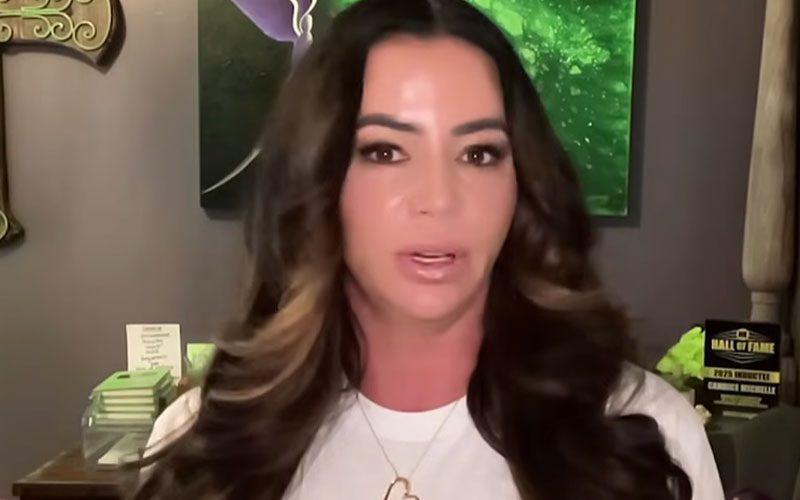
Candice Michelle recently hit the nail on the head regarding this transition. In her interview with TMZ’s Inside the Ring, she pointed out that ego is the primary factor preventing released wrestlers from moving forward. It is the classic protagonist syndrome: believing that because you were on national television, the industry owes you a main event slot on the independent scene.
I see a lot of wrestlers who think that because they had a WWE run, they are above doing the smaller shows or learning a new rhythm. It kills their momentum before they even get to the first lock-up.
The mental math of the blown spot
It isn’t just business acumen that kills careers; it’s the inability to recover from a botched sequence. We’ve all seen it: a wrestler misses a moonsault or trips on an irish whip, and the rest of the match turns into a funeral. They spend five minutes shaking their head, telegraphing their frustration to the hard camera.
Candice Michelle makes a sharp point here. She argues that dwelling on a mistake is the fastest way to lose the crowd. If you stop the match to sell your embarrassment, the fan loses their connection to the story. The best workers – the ones who survive the pressure cycles – treat every botch as a new opportunity to pivot.
Survival of the humble
I predict that we are about to see a massive shift in how independent bookings handle former WWE talent. Promoters are tired of dealing with inflated travel requirements and the expectation that the locker room should revolve around someone who hasn't been on TV in twelve months. The wrestlers who will thrive in 2026 are the ones who treat their release like a call-up to the minor leagues rather than a demotion.
Her recent commentary confirms what veterans have whispered for years. The guys who are still working ten years post-WWE are the ones who don't mind taking a bump for a rookie or putting over local talent. Those who insist on protecting a brand that no longer exists for them will be out of the business by the 18 month mark.
Consider the logistical reality. You have a limited window to stay relevant after your final appearance. If you spend that time fighting the mid-carders on social media or refusing dates because you feel the venue is beneath you, the market corrects itself. You don't get a second chance to make a first impression. There is no bigger red flag for a booker than a performer focused on their previous salary tier rather than their current performance metrics.