The revolving door of talent acquisition
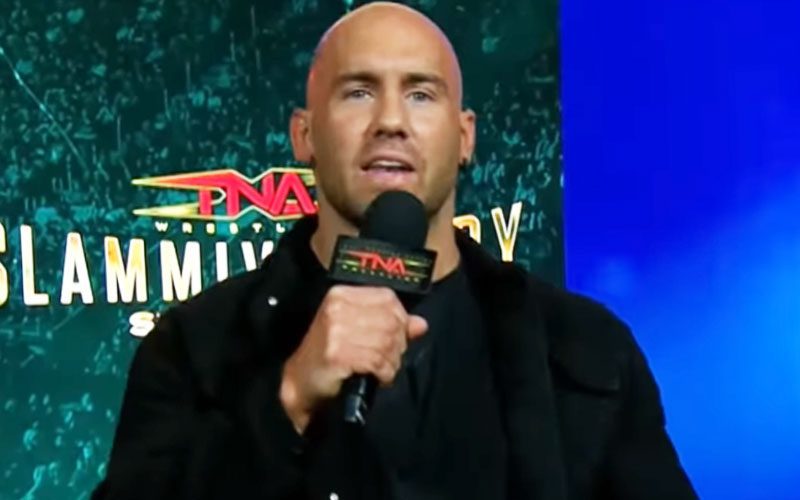
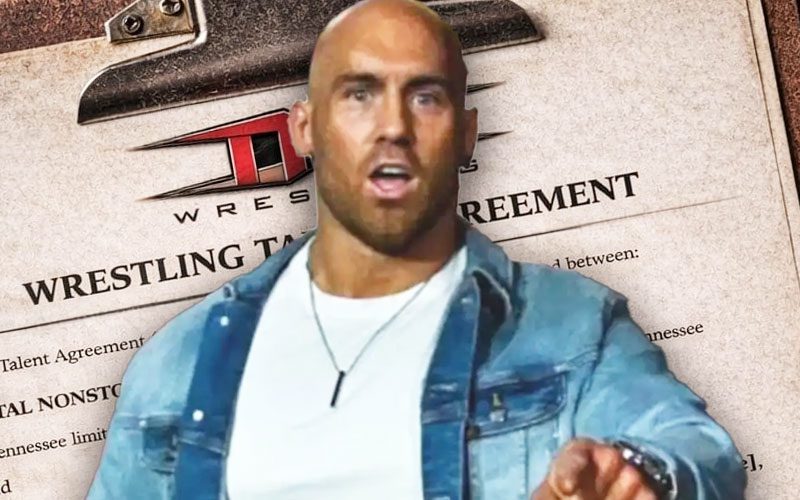
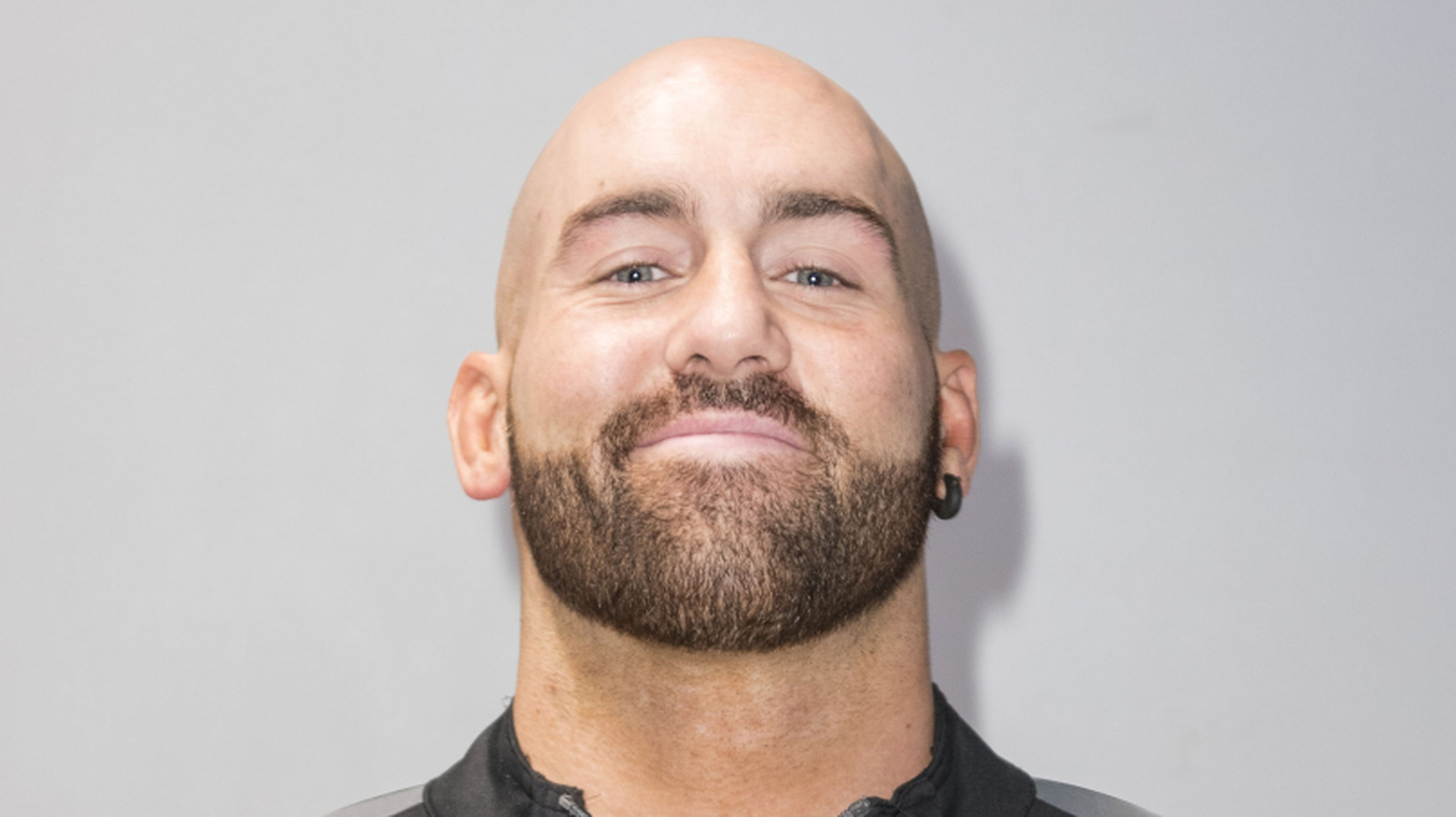
Fabian Aichner, known recently as Giovanni Vinci in WWE, has officially inked a short-term contract with TNA. He described the move as an organic fit. However, relying on high-profile free agents to stabilize a roster does not compensate for deeper operational inefficiencies.
Bringing in Aichner follows a pattern observed in the recent backstage producer hiring decisions at TNA. There is a disconnect between the technical talent on the screen and the strategic direction of those behind the curtain. Merely slotting a proven technician like Aichner into the mid-card does little to address engagement if the storytelling architecture remains static.
The paradox of the producer role
Candice Michelle recently returned to TNA as a backstage producer. During an interview with TMZ’s Inside the Ring, she noted that she does not regularly monitor current professional wrestling programming. This admission exposes a fundamental risk for a company attempting to build a consistent weekly narrative.
If producers are not watching existing content, the variance in talent utilization becomes unpredictable. Data shows that effective wrestling programming requires a 75% consistency rate in character arcs to maintain viewer retention over a quarter. When leadership ignores the recent history of their own performers, those arcs fracture.
The metrics of a stale broadcast
Vince Russo recently critiqued the final hour of WWE’s Monday Night RAW, pinpointing a reliance on promo-heavy segments that lack physical stakes. For TNA, the lesson is clear. Kinetic payoffs must justify the viewing time commitment.
In the last six months, TNA has struggled to find a balance between character development and in-ring payoff. Aichner’s arrival provides a technical asset, but his contribution is capped if the booking lacks urgency. A show that relies on talking segments without structural progression will inevitably see viewership decay.
"The union between the two sides [is] an organic fit," said Aichner.
Closing the gap between potential and product
Talent management is only one facet of success. A promotion must ensure that the individuals directing the matches understand the nuance of the current market. If producers aren't tracking their competition's pacing, the product will eventually drift into obsolescence.
The current strategy of cycling in former WWE talent brings immediate attention. Yet, 45% of casual viewers drop off if the debut does not lead to a significant change in match quality within three weeks. Aichner must be utilized in meaningful, high-stakes scenarios immediately to defy this regression. Without a clear narrative path, he becomes just another name on a roster sheet.
Ultimately, TNA is attempting to solve a creative problem with a personnel solution. It is a classic miscalculation. A promotion requires a coherent vision that flows from the writers' room to the gorilla position. Unless the decision-makers align with the requirements of the viewing audience, the influx of skilled ex-WWE performers will ultimately yield diminishing returns.