The Merch Machine That Tony Khan Forgot
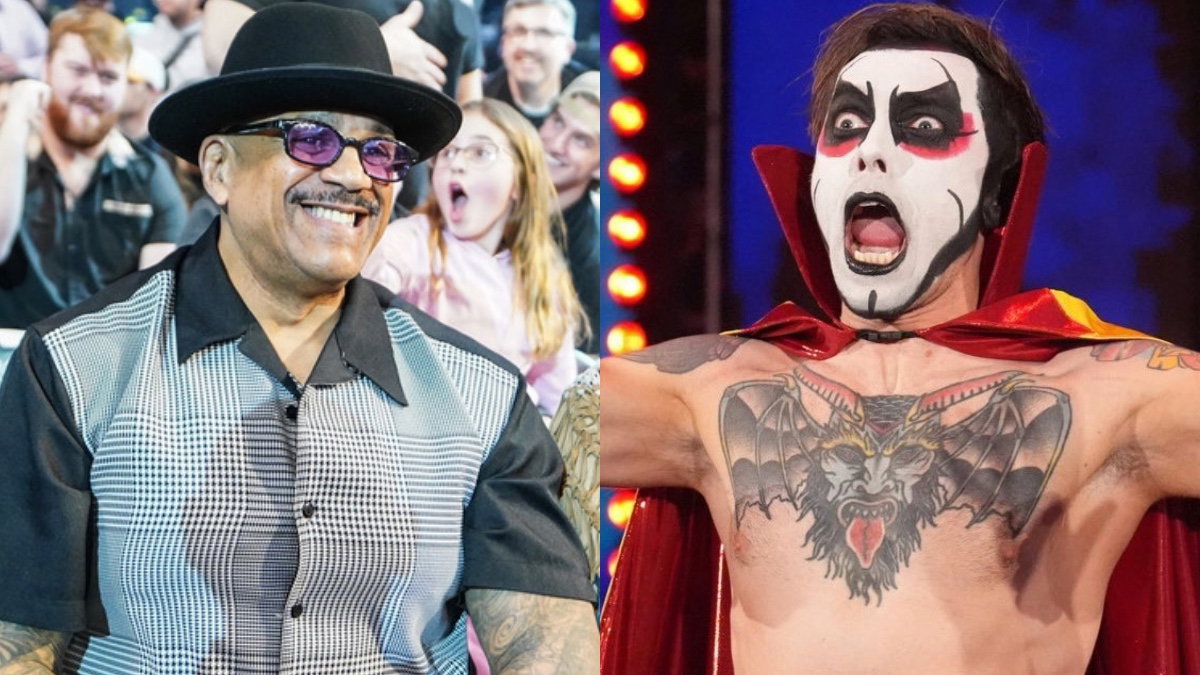
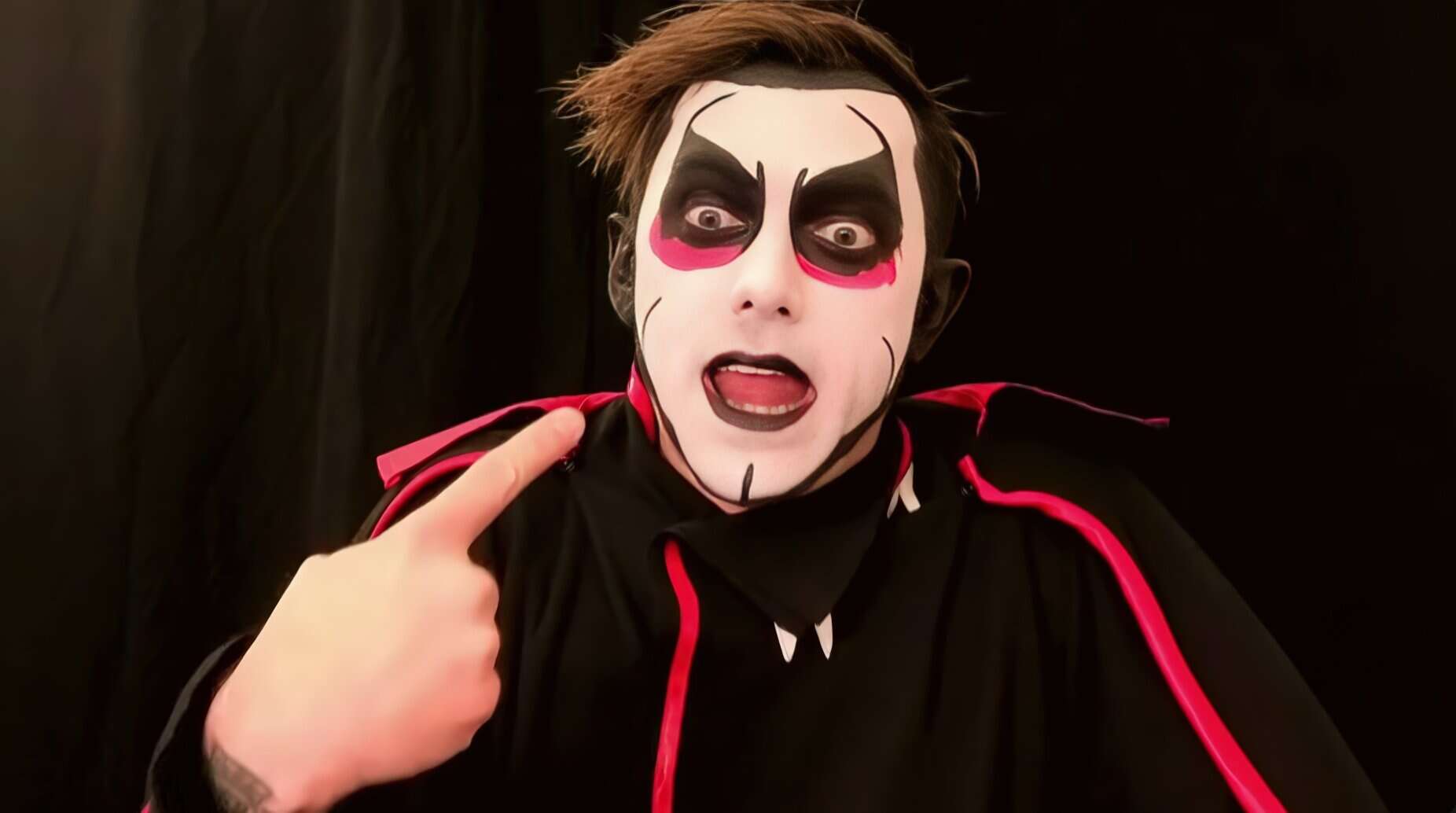
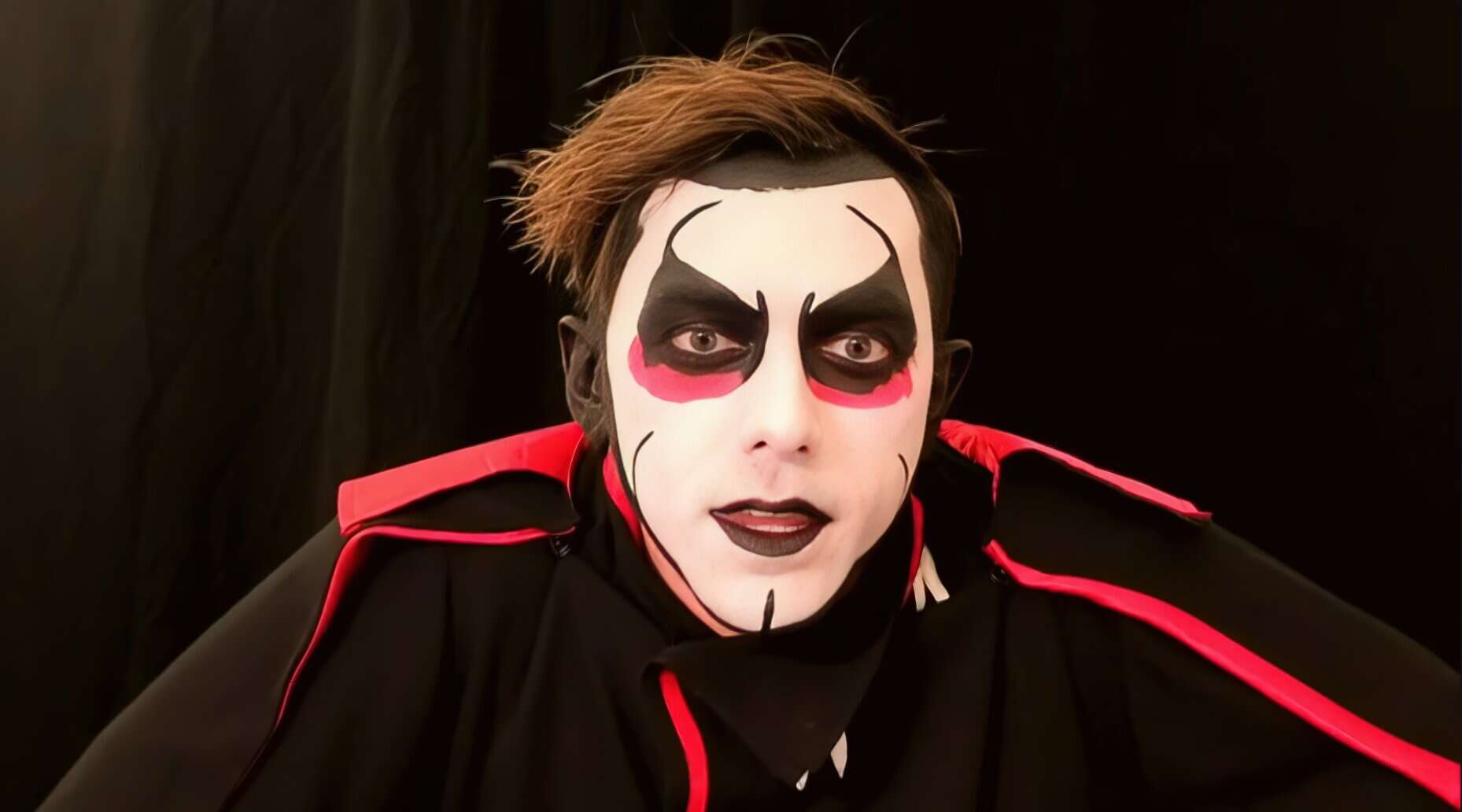
If you had told a hardcore indie wrestling fan five years ago that a guy painted like a cartoon vampire who puts curses on people would be the second-highest merchandise mover in the world's largest wrestling promotion, they would have laughed you out of the building. Yet here we are in May 2026, and Danhausen is making a mockery of traditional booking wisdom. He is currently sitting right behind the top stars as a financial juggernaut, leaving corporate executives absolutely stunned.
During the WWE Town Hall meeting held earlier this week, chief content officer Triple H and president Nick Khan took the stage to address the roster. Instead of focusing solely on championship storylines or television ratings, they spent a significant portion of their time praising Danhausen's massive commercial footprint. The quirky, face-painted character has quietly transformed into the company's ultimate licensing goldmine.
The numbers backing up this corporate praise are nothing short of absurd for a performer who rarely laces up his boots for television matches. Danhausen is currently recognized as the No. 2 merchandise seller in the entire company. Even more impressive, he has secured three distinct shirt designs inside the WWE top 5 best-sellers list.
This isn't just about selling t-shirts to fans at live events either. The red-hot character has spilled over into mainstream sports culture with a series of high-profile appearances. He was recently featured on ESPN cross-promotional broadcasts specifically tied to the ongoing NBA playoffs.
For anyone tracking the business side of professional wrestling, this sudden mainstream explosion is a massive wake-up call. It highlights a massive strategic gap between how WWE and AEW handle unique character work. While one company saw a gimmick too weird for television, the other saw a multi-million-dollar crossover brand.
Before his shocking jump to WWE, Danhausen spent years under contract with All Elite Wrestling. Tony Khan's promotion signed the indie sensation amid a wave of internet hype but never seemed to grasp what they actually had. Instead of building a dedicated promotional machine around his character, AEW relegated him to sporadic comedy segments and pre-show matches.
The contrast in presentation is almost comedic in its starkness. AEW's booking philosophy is notoriously obsessed with technical precision and high-intensity, five-star athletic exhibitions. By prioritizing in-ring work rate over character development, they completely choked out a performer who thrives on theatricality.
They treated him like an awkward problem that needed to be hidden on the roster. When he did wrestle, he was forced into standard, heatless singles matches that stripped away his mystique. By trying to fit a round peg into a square work-rate hole, AEW left millions of dollars in merchandise sales sitting on the table.
Look no further than the tragic waste of the Hookhausen alliance in 2022. The pairing of the silent, cold-blooded Hook with the cartoonish Danhausen was an absolute goldmine that lit up the internet and topped the merchandise charts instantly. Yet, instead of putting this red-hot act in a prominent television storyline, Tony Khan booked them on the Double or Nothing Buy-In pre-show to defeat Tony Nese and Mark Sterling before quietly dissolving the team without any creative explanation.
The booking failures were compounded by terrible physical luck. Danhausen suffered a ruptured pectoral muscle at Revolution 2023 during a high-stakes four-way tag team championship match. When he finally returned to action over seven months later, the creative team had absolutely no plans for him, shipping him off to secondary Ring of Honor web tapings rather than rebuilding his television presence.
As Matt Hardy recently declared on his podcast, this was a massive missed opportunity for Tony Khan's team. Hardy spent months backstage in AEW witnessing the fan reaction to the character firsthand. He was left completely bewildered by management's inability to integrate such a highly entertaining act into their weekly broadcasts.
The Novelty Formula That Broke The Code
Matt Hardy went deep on this strategic blunder during the latest episode of The Extreme Life of Matt Hardy. The veteran performer praised WWE's decision to treat Danhausen as a special attraction rather than a standard roster member. He believes that protecting the character's in-ring exposure is the absolute key to his long-term viability.
Hardy explained that forcing a highly gimmicky wrestler to compete in standard matches every single week is a fast track to creative death. The audience quickly grows tired of the joke when the character is overexposed in twenty-minute athletic contests. By keeping his physical output minimal, WWE keeps the crowd hungry for every single appearance.
To illustrate his point, Hardy pointed to his own past creative struggles in WWE alongside the late Bray Wyatt. During their run as the Eaters of Worlds, the duo constantly begged management to let them operate as bizarre, slow-burning novelties. Instead, the writing team fell back on their worst habits and forced them into repetitive weekly television matches.
This overexposure completely drained their characters of the mystery that made them popular in the first place. Hardy noted that Triple H has clearly learned from those past corporate mistakes. By treating Danhausen differently, the creative team is showing a rare level of booking restraint.
“Myself and Bray, we were fighting to be used more like novelties and do shit like Danhausen is doing right now, when we were the Eaters of Worlds, but then, like, ‘Well, you guys are both big stars, I need you on TV. Go wrestle, go wrestle, go wrestle, go wrestle.’ And honestly, they have nailed the Danhausen news right now, and the way he’s a big star and got everybody talking. His stocks are rising, his equity is growing every single week, and they’re doing the right thing.”
This philosophy runs completely counter to the traditional internet wrestling community consensus. Online fans often complain when a popular character isn't wrestling matches on every single episode of Raw or SmackDown. However, Hardy argues that the true money in professional wrestling is made by getting memorable characters over with the general public.
The average television viewer does not tune in to see technical chain wrestling or elaborate springboard maneuvers. They tune in to see larger-than-life personalities who command attention the second they walk through the curtain. Danhausen does exactly that without needing to take a single high-angle suplex.
This approach is also keeping his body healthy, which is a massive bonus for a performer who has suffered serious injuries in the past. By minimizing his bumps, WWE is extending the shelf life of their investment. He remains a fresh, highly anticipated presence every time his music hits.
The Happy Accident of the Knicks Curse
Every legendary wrestling gimmick needs a moment that bridges the gap between scripted entertainment and real-world pop culture. For Danhausen, that moment arrived during this year's NBA playoffs. A casual promotional partnership with ESPN turned into an absolute viral sensation overnight.
The face-painted star jokingly placed one of his signature curses on the opposing team during a broadcast. In a bizarre twist of fate, the New York Knicks went on to mount an epic, highly improbable comeback victory. The sports world immediately seized on the narrative, attributing the victory directly to the supernatural intervention.
This happy accident did more to legitimize his character than a hundred clean pinfall victories ever could. Suddenly, mainstream sports commentators who had never watched a minute of professional wrestling were talking about the curse. It proved that his appeal is not limited to the traditional wrestling audience.
Hardy pointed out that this kind of cross-promotional success is exactly what promotions should strive for with highly gimmicky acts. It turns a niche wrestling joke into a recognizable pop-culture meme that drives casual viewers to the product. The legitimacy of the curse gimmick has now been solidified in the eyes of the public.
It is the ultimate proof that professional wrestling operates best when it is treated as a diverse variety show. A roster consisting entirely of serious, stoic athletes fighting over championship belts quickly becomes monotonous. You need the bizarre, the comedic, and the downright weird to break up the tension.
The Threat of Corporate Overexposure
Despite all the current praise and record-breaking financial success, a healthy dose of skepticism is absolutely warranted here. WWE has a long, painful history of taking highly unique, organic comedy acts and completely ruining them through corporate greed. The moment a gimmick starts printing money, the executives cannot resist the urge to squeeze every last drop out of it.
We have seen this tragic cycle play out dozens of times over the last two decades. A character gets hot, the merchandise department goes into overdrive, and suddenly they are featured in multiple television segments every night. The organic charm that made them popular is quickly replaced by scripted corporate catchphrases.
If Nick Khan and the marketing department decide to push Danhausen into every single sponsor-driven segment, the novelty will wear thin fast. There is a very fine line between a beloved, mysterious attraction and an annoying corporate mascot. Once the hardcore fans feel like a gimmick is being forced down their throats, the backlash can be swift and brutal.
There are already minor warning signs of this corporate dilution starting to creep into his presentation. His recent ESPN segments, while highly successful, occasionally felt heavily scripted and overly sanitized. If they strip away the dark, slightly morbid edges of his indie persona to make him completely PG-friendly, he risks losing the cult appeal that built his brand.
Furthermore, the creative team will eventually face the challenge of booking him in actual storylines. While Matt Hardy suggested a potential tag team championship run with a more serious partner, that path is fraught with booking landmines. Giving him a championship belt could easily ruin the mystique of a character who is supposed to exist outside the traditional roster hierarchy.
If WWE does decide to pull the trigger on a tag team championship run down the road, the partner selection will be the deciding factor in avoiding creative disaster. Pairing him with a deadpan, hyper-serious competitor like Damian Priest or even a monster like Bron Breakker could create a hilarious, entertaining dynamic. However, the writers must ensure that Danhausen's comedy doesn't end up dragging down the legitimacy of his partner in the eyes of the fans.
A title run would force him to compete in longer, more serious matches that expose his in-ring limitations. The moment he is booked like a regular wrestler, the illusion is completely shattered. WWE must resist the temptation to give him a conventional babyface push just because his shirt sales are soaring.
For now, the company is managing to walk this creative tightrope with surprising grace. They have created a highly profitable niche for a performer who was once considered completely unpromotable on a national scale. Whether they can maintain this delicate balance as his popularity continues to skyrocket is the ultimate test for Triple H's creative vision.