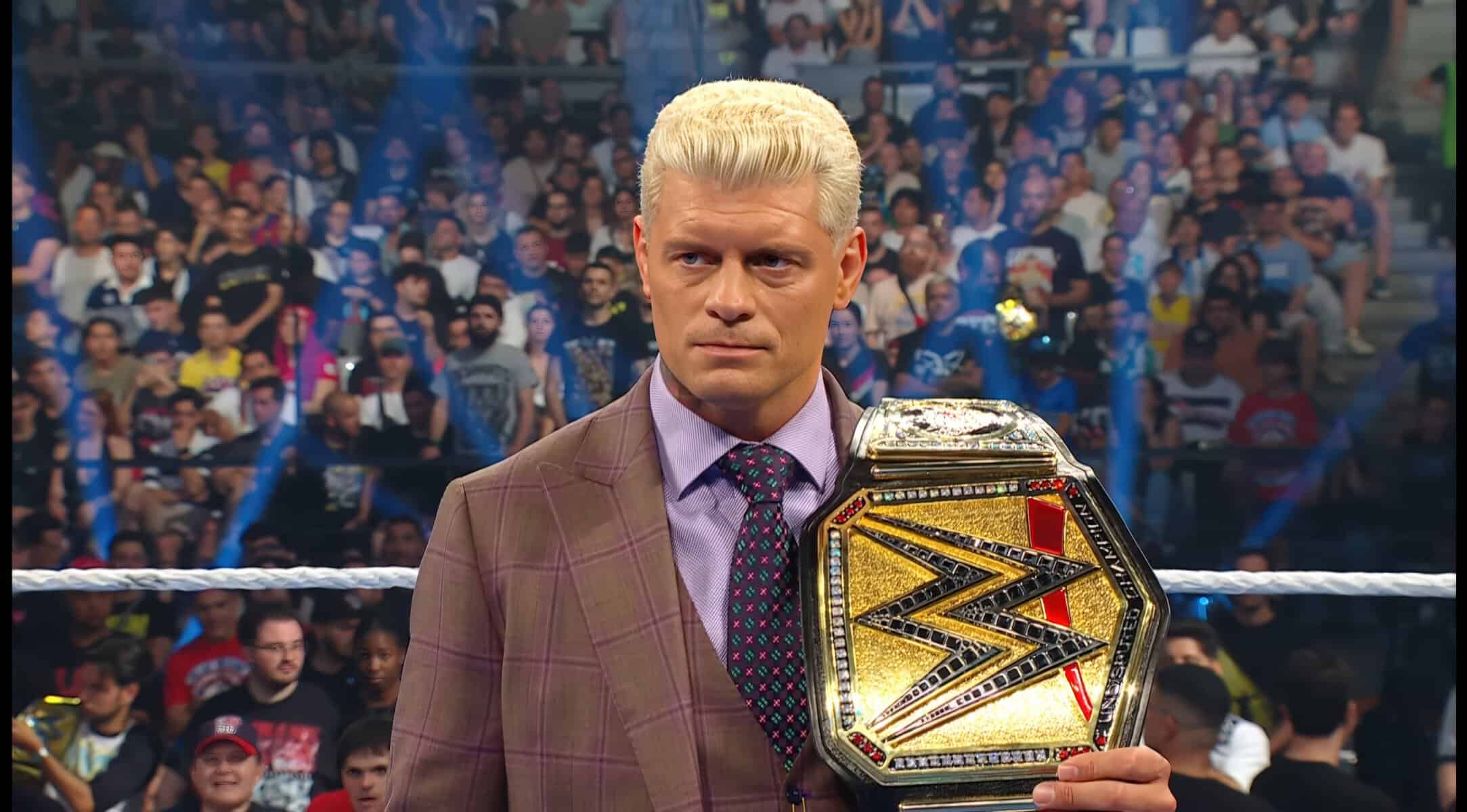
Why Chris Masters was trapped by his own physique
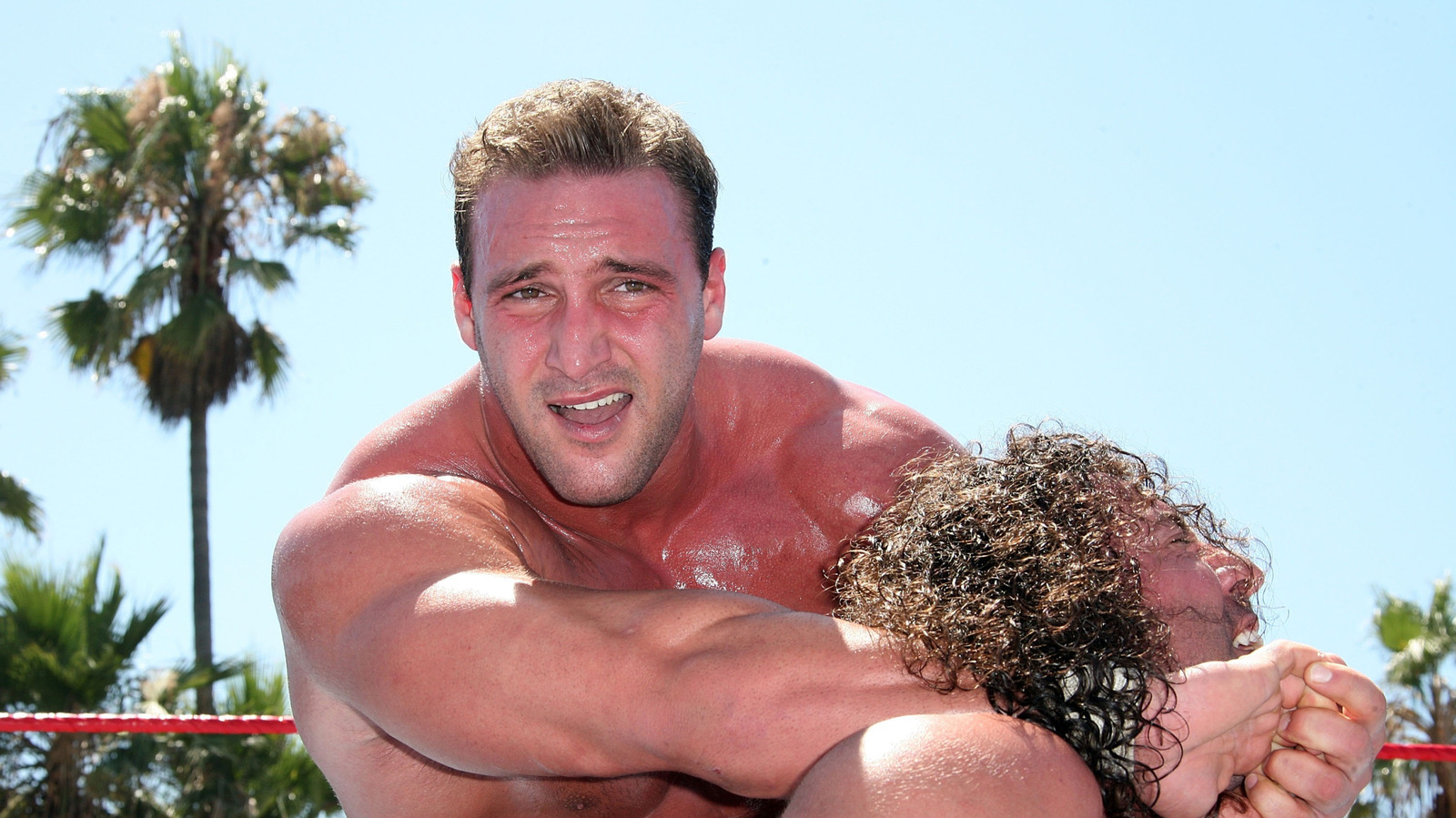
The disconnect of the masterpiece
The recent comments from Chris Masters regarding his alignment preferences offer a rare, unvarnished look at the mechanics of wrestling psychology. Speaking about his career, the former WWE star made a fascinating admission. He noted that while he prefers working as a heel, he fundamentally believes he is "naturally" a babyface.
That single sentence perfectly encapsulates the disconnect that defined his most prominent run on national television. It highlights a structural flaw in how WWE evaluated and presented talent during the mid-2000s.
When Chris Mordetzky debuted on Raw in 2005 as "The Masterpiece," he was just 22 years old. He possessed a physique that looked like it was genetically engineered in a Stamford laboratory. In the rigid booking framework of that era, there was only one path for a wrestler built like a Greek statue.
He was immediately cast as an arrogant, untouchable antagonist.
WWE leaned heavily into the visual presentation. He was given an elaborate entrance, complete with falling dramatic lighting and statuesque posing. The presentation was flawless. The problem was the performer inside the gimmick.
Masters was playing a role that went against his core instincts. When you watch back his early matches from 2005, you can see the effort it takes for him to maintain the sneer. He is acting like a bad guy, rather than embodying one.
The mechanical advantage of malice
This brings us to the inherent mechanical advantages of working as a heel, which explains exactly why Masters admits he prefers it. Working heel is universally acknowledged as the easier assignment for a young, inexperienced wrestler.
The heel dictates the pace of the match. They control the transitions. When a match goes off the rails or the crowd dies, the heel can simply grab a chinlock, yell at the referee, or roll to the outside to reset the timeline.
A babyface does not have those luxuries. The babyface has to master the incredibly difficult art of selling. They have to elicit genuine sympathy from a building of 15,000 cynical fans.
They must time their comeback sequences with absolute precision to maximize the emotional peak of the match. For a rookie thrust onto live television, being a heel is a protective shield. You do not have to worry about the crowd liking you, you just have to ensure they are annoyed by you.
WWE management recognized Masters' inexperience and provided him with one of the most effective crutches in modern wrestling history. The Masterlock Challenge.
From a structural standpoint, the Masterlock Challenge was an absolute triumph of booking. It was a masterclass in generating heat without exposing a young worker's mechanical deficiencies in a standard television match.
Instead of working complex sequences, Masters would sit a local competitor, or an established mid-carder, in a chair. He would lock in a full nelson. The opponent would pass out.
It required minimal bumping, zero complex chain wrestling, and yielded maximum audience animosity. It built him an undefeated streak based entirely on a single, inescapable hold.
The angle peaked exactly as intended. It established a monolithic obstacle for a top-tier babyface to eventually overcome. When John Cena finally broke the hold, the reaction was deafening.
The failure of the main event transition
But what happens after the hold is broken? That is where the disconnect between Masters' assigned role and his natural disposition became glaringly obvious.
Once forced into regular, extended programs, the cracks started to show. His feud with Shawn Michaels culminating at Unforgiven 2005 is a prime example of a worker drowning in deep waters.
Michaels, arguably the greatest in-ring performer in North American history, did everything in his power to pull a classic out of the rookie. Michaels bumped all over the ring, throwing his body onto the floor to make Masters' rudimentary offense look devastating.
But watch Masters between the moves. That is where the illusion completely falls apart.
A great heel operates in the negative space. They taunt the crowd. They argue with the referee. They show visible frustration when a pinfall is kicked out of.
Masters mostly just stood there. He hit a move, and then he waited for Michaels to tell him what to do next. He lacked the improvisational malice that defines a true villain.
He was a natural babyface trying to remember his lines. When Michaels eventually hit the Sweet Chin Music for the victory, it felt less like a hard-fought triumph over a monster, and more like a veteran putting a merciful end to an awkward experiment.
The failure of that match wasn't purely on Masters' lack of experience. It was a profound failure of casting.
The psychology of the submission finisher
Let's also examine the mechanics of the Masterlock itself. Why did it fail to translate into sustainable main event heat? Because a submission finisher is inherently a heel weapon only if the performer utilizes it with cruelty.
Think of Kurt Angle wrapping his legs around an opponent's ankle, screaming in their face. Think of Samoa Joe's stoic, murderous stare while applying the Coquina Clutch.
Masters applied the Masterlock with the intense concentration of a man trying to open a stubborn jar of pickles. He lacked the sadistic joy that a natural heel brings to a submission hold.
He was focused entirely on executing the maneuver safely. While commendable from a professional standpoint, it completely drained the emotional heat from the segment.
His partnership with Carlito heading into WrestleMania 22 provided a sharp, uncomfortable contrast. Carlito was a natural heel. He possessed an innate arrogance and a smooth, punchable smugness.
Next to him, Masters often looked like a guy who was just happy to be invited to the party. He was the heavy, but he never actually looked dangerous.
The missed opportunity of the hot tag
If you want to understand the true tragedy of his miscasting, picture Chris Masters in a traditional tag team environment working as the babyface.
The mechanics of the "hot tag" are the most reliably exciting sequence in professional wrestling. The smaller, vulnerable face gets beaten down for a grueling 10-minute stretch. They desperately crawl toward their corner. Finally, the tag is made.
The powerhouse steps over the top rope and explodes. Clotheslines. Back drops. Military presses.
This sequence requires zero complex chain wrestling. It requires pure, unadulterated explosive energy and a physique that makes the sudden turning of the tide believable. Chris Masters was quite literally built for the hot tag.
His explosive power was undeniable. His military press slam was one of the cleanest in the industry. Had he been paired with a smaller, sympathetic worker in 2005—someone like a Paul London or a Brian Kendrick—and allowed to play the muscle, his career trajectory would have radically shifted.
He could have hidden his early mechanical flaws on the ring apron while his partner sold the heat. When he finally tagged in, he could have unleashed his offense in a condensed, two-minute burst of athletic violence.
Instead, he was forced to be the one applying the rest holds. He was the one slowing the match down. He was the one actively trying to put the crowd to sleep in the middle of the second act.
The second run and the real Masters
When Masters says he is naturally a babyface, you have to look at his second WWE run to see the empirical evidence. Returning to the company in 2009, he looked noticeably different.
He was leaner, having lost some of the exaggerated muscularity that defined his early twenties. More importantly, his ring work had improved dramatically.
He was bumping better. His cardio was vastly superior. His timing had sharpened after years of working through his early mistakes.
And crucially, he started showing genuine babyface fire. WWE flirted with turning him face, mostly utilizing a comedy routine where he would bounce his pectoral muscles to the beat of popular songs.
It was objectively silly. It was a far cry from the serious, main event presentation he received in 2005. Yet, the crowd responded to it favorably.
They cheered for him because, for the first time in his career, he looked completely relaxed. The forced scowl was gone. The unnatural posturing was dropped.
He was just a guy having fun in the ring, and the audience connected with that underlying authenticity.
The trap of the aesthetic
This is the tragedy of the mid-2000s WWE developmental philosophy. They saw a specific body type and immediately forced a specific psychological profile onto it.
It is a common error in wrestling promotion. Management falls in love with a physical aesthetic and ignores the performer's actual energetic output.
Look at Roman Reigns. For years, WWE desperately tried to force Reigns into the mold of a smiling, underdog babyface. It actively repelled the audience. Reigns is naturally aloof, intimidating, and physically dominant.
He is a natural heel. When they finally allowed him to embrace that instinct in 2020, he embarked on the most successful run of his career. Masters suffered from the exact opposite miscalculation.
He was a natural babyface trapped inside the body of a prototypical Vince McMahon heel.
The best characters in professional wrestling are simply the performer's actual personality with the volume turned up. "Stone Cold" Steve Austin was an angry, anti-authoritarian Texan. Shawn Michaels was an arrogant showman.
Chris Masters was a likable, hardworking athlete trying to pretend he was an insufferable narcissist.
"He prefers being a heel, but also admits that it contrasts with his belief that he's naturally a babyface."
There were moments when the mask slipped. When he would hit a particularly impressive spinebuster, the crowd genuinely wanted to cheer the athletic feat. But the rigid heel-face divide of the era demanded they boo.
Masters was instructed to immediately follow up the explosive move with a tedious chinlock to ensure the heat was maintained. This constant battle between his natural ring style and his assigned alignment stunted his growth.
By the time his ring work caught up to his physical presentation during his second run, the company had already categorized him as a lower-card act. The window for him to be a top-tier star had closed.
His recent comments are not just a reflection on his own career. They serve as a sharp critique of how the industry used to operate.
It proves that a great physique and a catchy entrance theme are useless if the performer is fundamentally miscast. You cannot force a natural babyface to be a convincing heel, no matter how much baby oil you apply.
WWE Roman Reigns "OTC" Original Tribal Chief Authentic T-Shirt
The hottest shirt in wrestling, marking the return of the Original Tribal Chief.
Frequently Asked Questions
What role did Chris Masters naturally lean towards in wrestling?
Why was Chris Masters cast as a heel during his WWE debut?
Why is working as a heel easier for a young, inexperienced wrestler?
What specific difficulties do babyface wrestlers face during a match?
How did the Masterlock Challenge protect Chris Masters early in his career?
More Coverage

Saraya leaves the AEW chapter in the rearview mirror
16 minutes ago
Baron Corbin's MLW pivot marks a strange turn in his career
17 minutes ago
AEW Collision is caught in a holding pattern while everyone waits on the main event
18 minutes ago
Nick Aldis stepping into the ring at SummerSlam is a booking disaster
18 minutes ago
Saraya’s candid admission confirms what AEW fans already guessed
18 minutes ago
Is Tom Brady genuinely eyeing a jump to the WWE ring?
19 minutes agoMore Analysis
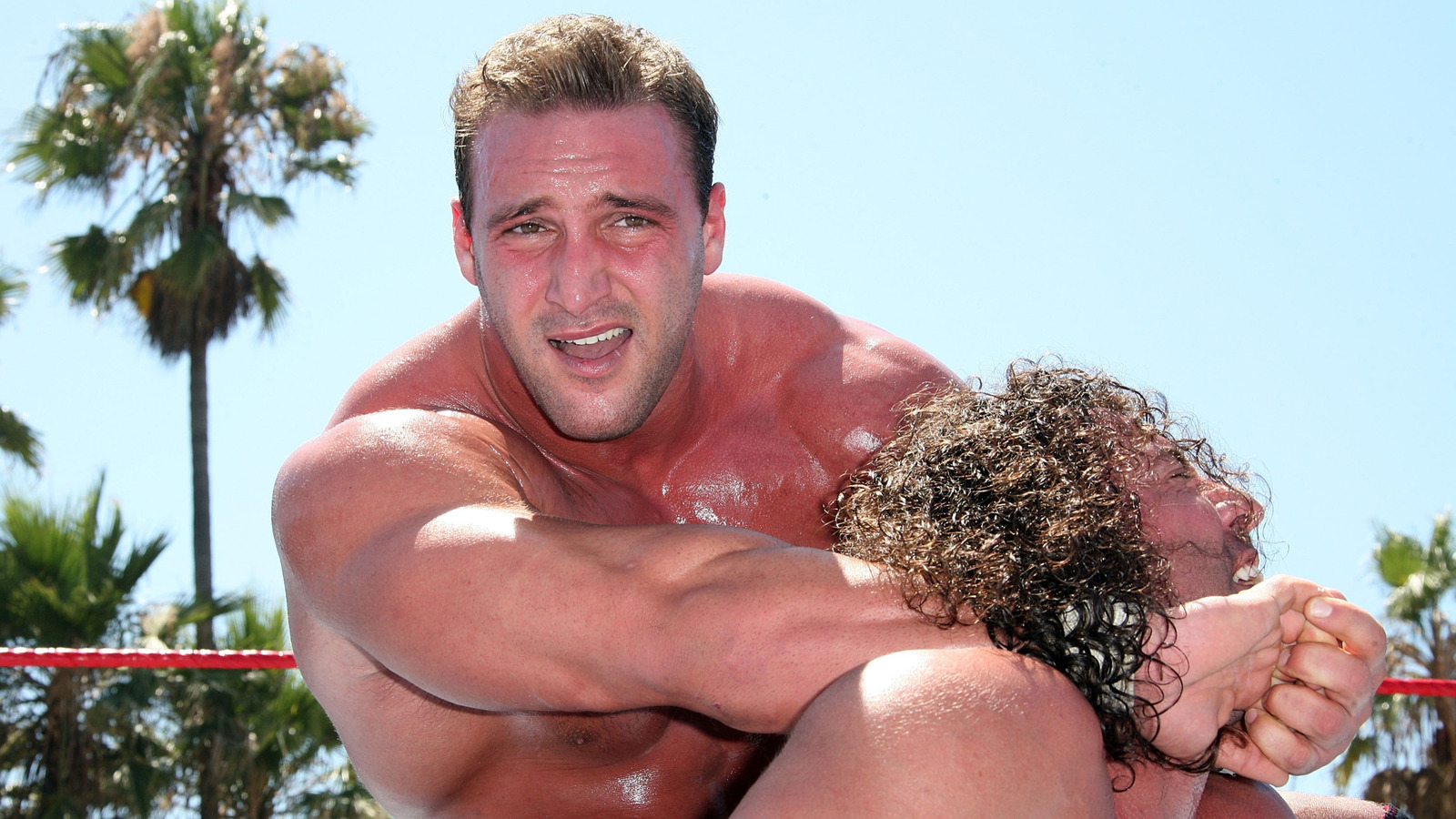
Chris Masters finally explains his phantom Intercontinental title run
3 months, 3 weeks ago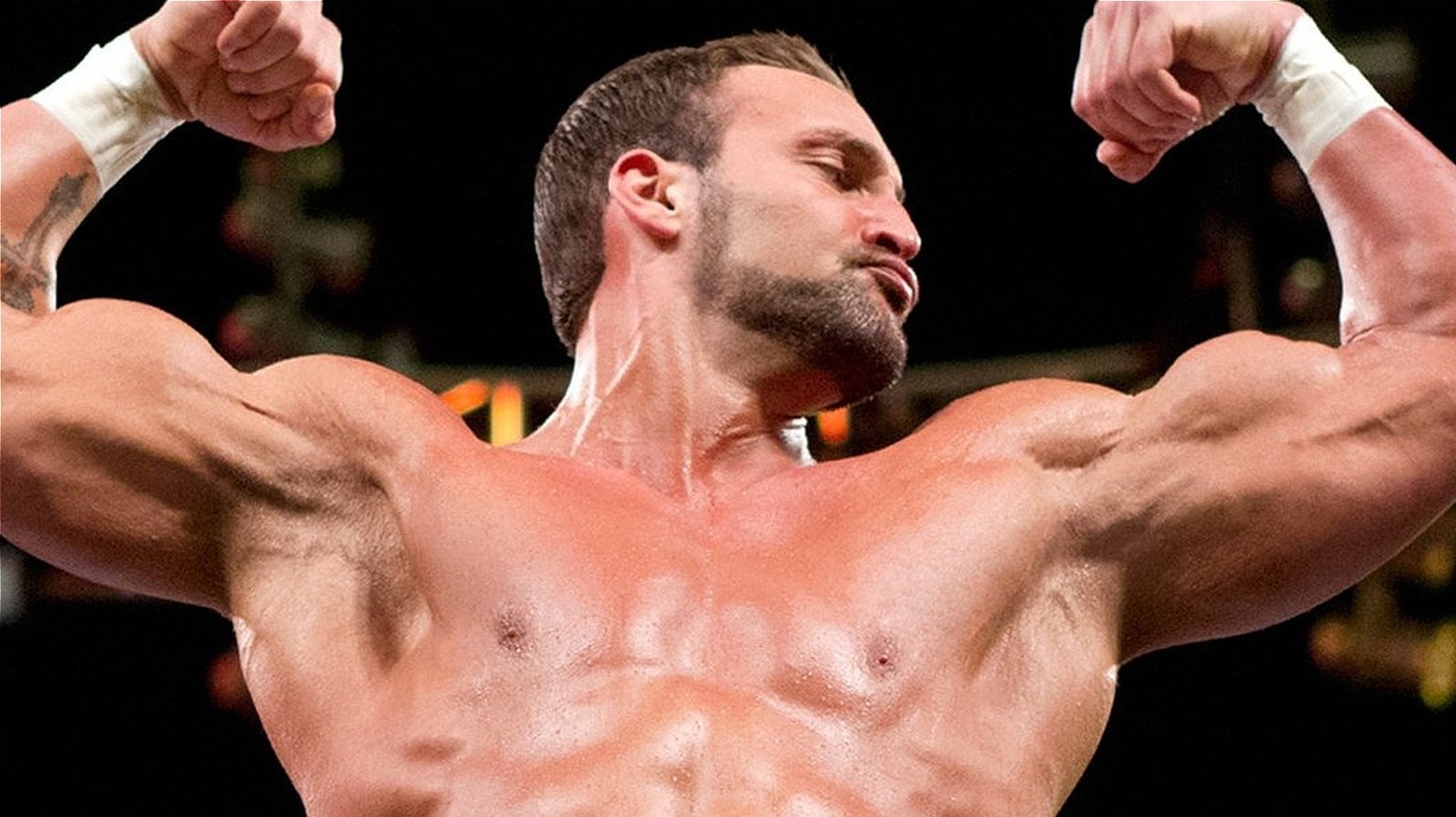
Chris Masters and the hidden toll of the 2000s wrestling physique
2 days, 3 hours ago
How WWE's celebrity obsession killed Chris Masters' second run
13 hours ago
Why the modern wrestling product is allergic to actual wrestling
3 months, 2 weeks ago
WWE stars are finally admitting the hero persona is a creative dead end
1 month, 3 weeks ago