The cost of the guest host experiment
On November 2, 2009, WWE Raw drew a 3.20 cable rating. That number represented a 6.8% decline from the previous week's 3.43 rating, exposing the fundamental flaw in WWE's twenty-two month guest host experiment. The company believed mainstream celebrity crossovers would expand their audience, yet the numbers showed the opposite effect.
Viewers turned off their television sets as WWE traded athletic storytelling for cheap comedy bits. Between June 2009 and May 2011, WWE used ninety-six guest hosts across eighty-eight episodes of Raw. The creative direction prioritized non-wrestlers over their own active roster, leading to a steady erosion of the core midcard.
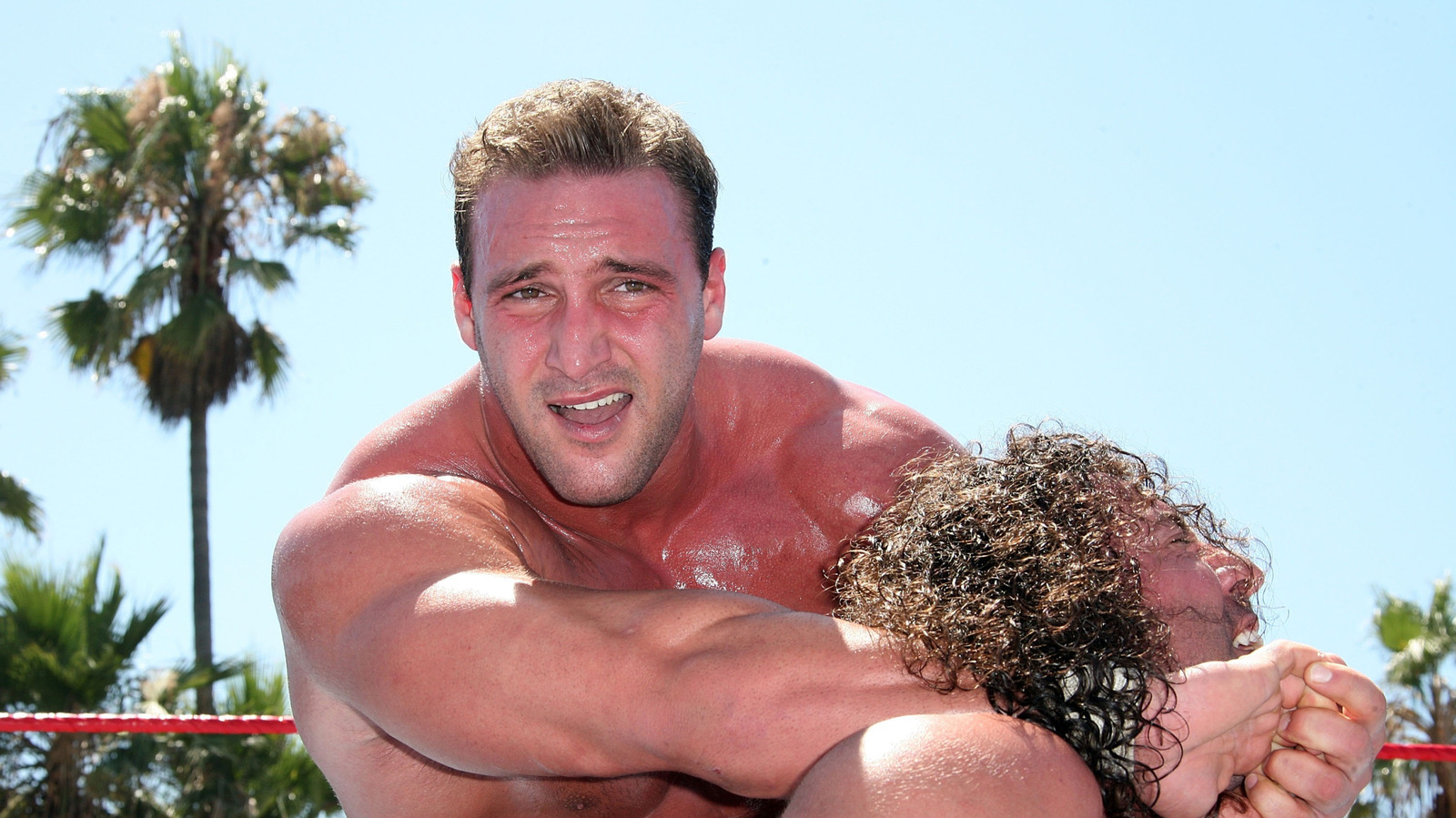
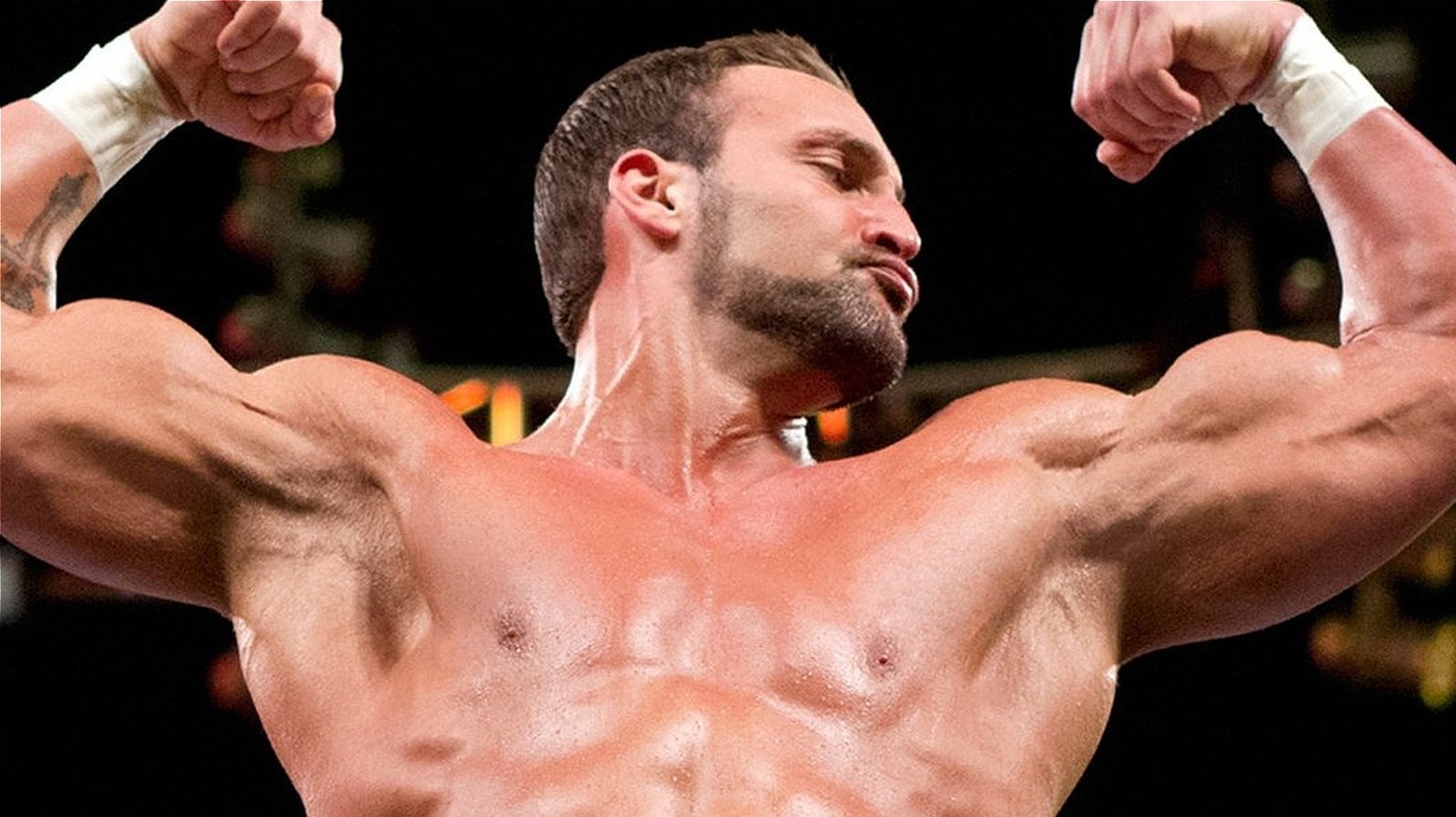
Performers who had spent years building credibility were suddenly reduced to backup dancers and talent show contestants. No superstar suffered more from this structural shift than Chris Masters, who returned to the company in July 2009 only to find himself cast as a physical prop.
The rating drop was not an isolated incident. Throughout the fall of 2009, Raw ratings declined by an average of 11.2% compared to the same period in 2008. The promotion was spending hundreds of thousands of dollars on appearance fees for celebrities who had no connection to the product.
The return on investment was negative, as casual fans did not stick around and loyal fans grew frustrated. This short-sighted strategy left the active roster in a state of creative limbo.
The optimization of comedy over competition
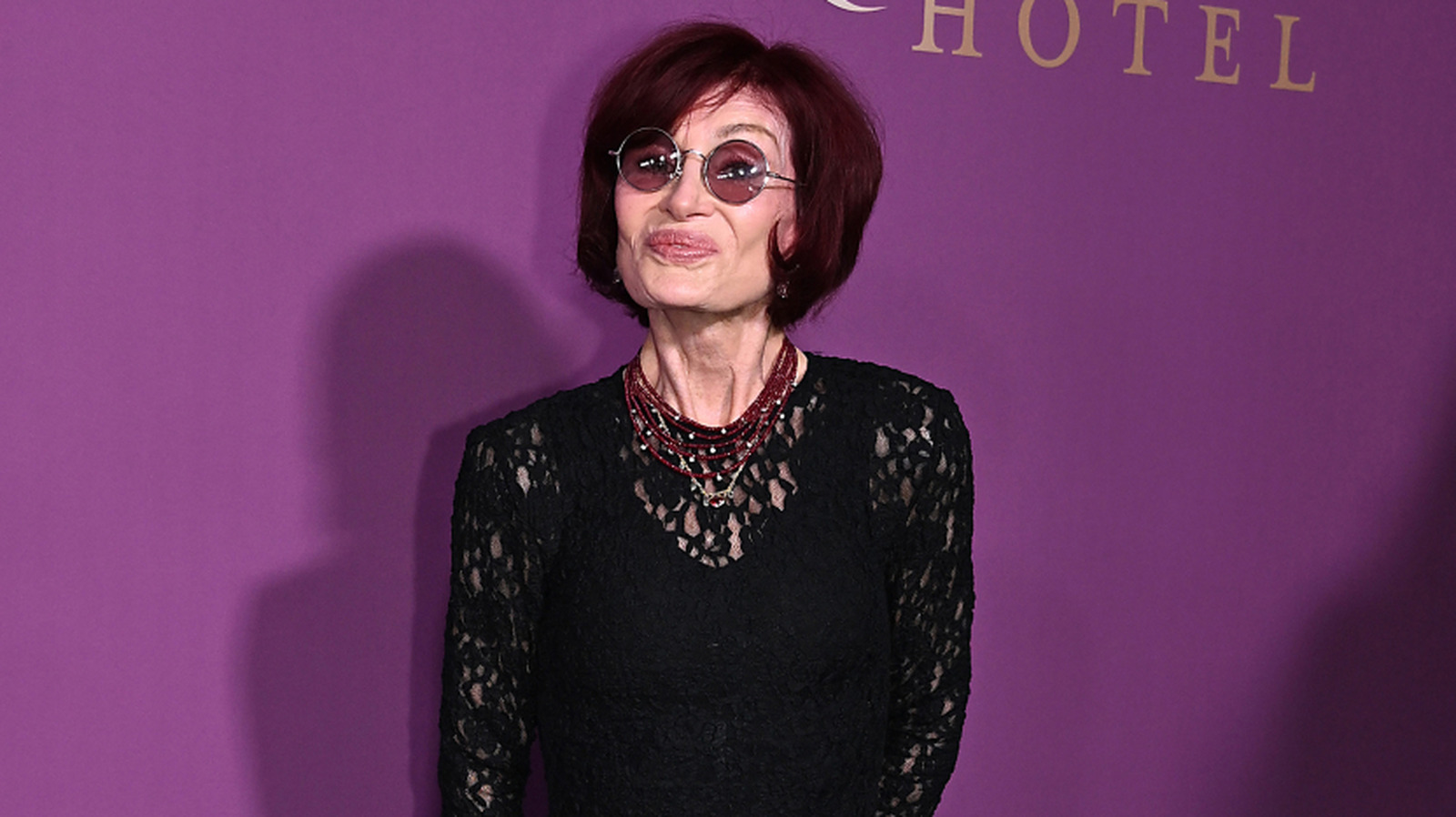
The November 2, 2009 episode of Raw, hosted by Ozzy and Sharon Osbourne, is a case study in skewed priorities. Out of the 120-minute broadcast, actual in-ring wrestling occupied only 28 minutes and 14 seconds. In contrast, celebrity segments and backstage comedy skits took up 18 minutes of airtime.
The centerpiece of these segments was a "Raw's Got Talent" show. Masters was booked to bounce his pectoral muscles to the rhythm of Ozzy's signature track. It was a stark contrast to his previous serious heel presentation.
Masters recently reflected on the segment, noting that Sharon Osbourne "innocently" flirted with him during their time together, as Wrestling Inc detailed. While Masters viewed the interaction as harmless fun, the segment's structural placement in the show was highly detrimental to his in-ring standing.
Prior to his release in 2007, Masters had been presented as a serious threat whose Master Lock challenge was a major focal point of Raw. By late 2009, his muscle control had become a novelty act, separating his physical conditioning from any competitive context.
The "Raw's Got Talent" segment lasted exactly 6 minutes and 45 seconds. During this time, Masters had to stand in the ring and perform for a panel of judges rather than wrestling a match. The segment did not lead to any future storylines or matches for him.
It was a self-contained comedy bit that left him in the exact same position on the card. This booking pattern repeated itself weekly with various midcard talent.
A downward trajectory in match length
The statistical decline in Masters' career is visible in his match lengths during this second run. In 2005, his singles matches on Raw averaged 7 minutes and 42 seconds of television time. In contrast, his televised singles matches on Raw in 2009 averaged just 2 minutes and 55 seconds.
WWE was no longer interested in establishing his Masterpiece persona through competitive contests. Instead, they utilized him as a quick piece of content to fill space between guest host segments. This drop in match length made it impossible to tell a compelling story in the ring.
A three-minute match leaves no room for psychological work or selling. It reduces the contest to a series of high spots and quick finishes. For a wrestler like Masters, whose style relied on methodical heat segments and power moves, this transition was devastating.
He was forced to abandon the ring work that made him a star in the first place. The drop-off was even steeper when looking at pay-per-view events.
During his initial run, Masters was a regular fixture on pay-per-view, working matches that averaged over 12 minutes. During his entire second run, he did not wrestle a single singles match on a pay-per-view card. His only appearance was in the 2010 Royal Rumble, where he lasted just 29 seconds before being eliminated by The Great Khali.
Quantifying the midcard erasure
During his second stint from July 2009 to August 2011, Masters wrestled 83 televised matches across Raw, SmackDown, and WWE Superstars. He secured only 19 victories, compiling a lackluster win rate of 22.8%. This was not a case of a performer failing to get over, but rather a booking strategy that starved midcard wrestlers of meaningful television time.
The win-loss record reveals that Masters was primarily used to put over others or to populate low-stakes matches on C-shows. On the flagship Raw show, Masters' win rate was even more abysmal.
In 2009, he wrestled 11 times on Raw and won exactly 1 match, a tag team bout alongside Chavo Guerrero. This left him with a 9.1% success rate on the company's primary television program.
For a wrestler who had previously challenged for the WWE Championship at Elimination Chamber 2006, this represented a massive demotion. The booking team chose to invest television hours in celebrity host segments rather than rebuilding their full-time wrestlers.
Other midcard talent suffered similar fates. Chavo Guerrero, who teamed with Masters in that lone 2009 Raw victory, finished the year with a 14.8% televised win rate. The creative team consistently booked Guerrero to lose to guest hosts like Hornswoggle or guest celebrities who had no wrestling training.
This systemic devaluation of the roster created a top-heavy card where only a handful of main-event talent felt like stars. The counterintuitive finding here is that the guest host era did not actually improve WWE's ratings.
Raw began the experiment in June 2009 with a 3.7 rating. By the time the guest host format was phased out in May 2011, the average rating had slid down to 3.1. The strategy of using mainstream stars to attract casual viewers alienated the core fan base, while failing to retain the temporary audience.
The Sharon and Ozzy Osbourne episode, with its immediate 6.8% ratings drop, was an early warning sign that WWE ignored for another eighteen months. A closer look at the ratings from late 2009 shows that the guest host segments actually lost viewers.
The quarter-hour ratings regularly dipped during the celebrity interview segments. Fans wanted to see wrestling, not promotional tours for actors and musicians. When the Osbournes hosted, the third quarter-hour, which featured the talent show, dropped 400,000 viewers from the opening segment.
The data suggests that WWE was actively chasing away its most loyal consumers. Furthermore, the long-term impact on the roster was severe.
By failing to build new stars during this two-year window, WWE created a talent gap that lasted for years. When top stars like John Cena or Randy Orton were injured, there were no credible midcarders ready to step into their places.
The company had spent years telling the audience that these midcarders were jokes who could be bullied by talk-show hosts and retired singers. The damage to the brand's athletic credibility was substantial.
By the time Masters was released on August 5, 2011, the damage to his character was irreversible. The former main-event prospect had spent two years averaging less than three minutes of ring time per Raw appearance.
WWE's numbers game during this era proved that sacrificing long-term roster development for short-term celebrity appeal yields a negative return on investment. The Sharon Osbourne segment, as recalled by Masters, remains a snapshot of an era that valued cheap television clicks over building lasting athletic talent.