The mathematics of the illusion
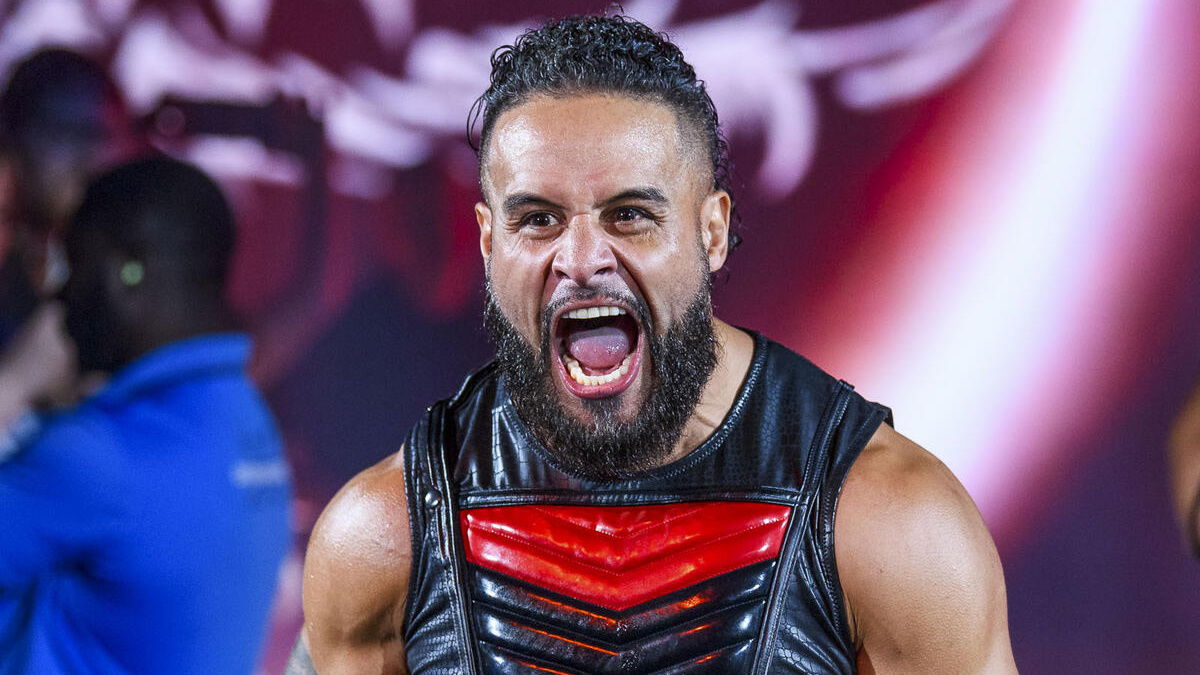
In 1998, a backstage rumor took three weeks to reach the pages of a printed newsletter. Today, it takes approximately 48 seconds for a leaked video to hit 50,000 views on X. That is the mathematical reality of modern professional wrestling. The speed of information has completely outpaced the industry's traditional mechanisms for keeping secrets. When Tama Tonga posted rehearsal footage to his social media accounts this week, he did not just break a locker room rule. He violated the core economic principle of the illusion.
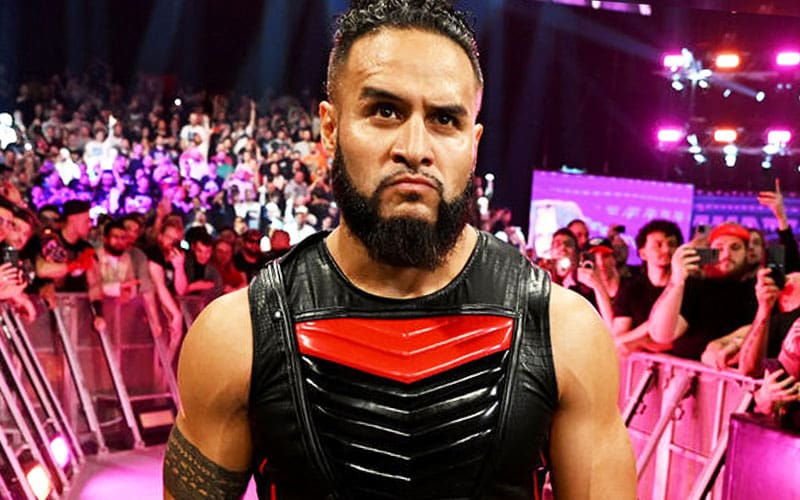
Tama Tonga is 41 years old. He spent 14 years building his reputation in New Japan Pro-Wrestling before finally making the jump to WWE exactly 24 months ago at WrestleMania 40. He is not a developmental recruit making a careless error. He is a seasoned veteran who simply forgot the cardinal rule of his new employer: the promotion controls the cameras, always.
John Bradshaw Layfield’s reaction to the incident was predictably nuclear. JBL went on record stating that the company was entirely justified in fining the Bloodline member. He went a step further, insisting he would have supported firing him outright over the leak. To a younger fan base, JBL sounds like a dinosaur yelling at a ring post. But his anger is rooted in a vastly different era of the business.
During JBL’s record-setting 280-day run with the WWE Championship between 2004 and 2005, the curtain was heavily guarded. A leak of this magnitude would have resulted in immediate termination, or at the very least, a brutal physical receipt in the ring. The business model relied entirely on the audience believing in the spontaneous nature of the violence. Showing the choreography actively damages the ticket-selling capability of the product.
The structural hypocrisy of management
We must, however, look at the glaring structural hypocrisy of WWE management in this situation. Fines in WWE have historically ranged from $500 for arriving late to the building, up to $100,000 for severe behavioral breaches. We do not know the exact dollar amount of Tama Tonga’s punishment. What we do know is that WWE is penalising him for providing the exact same type of content they actively monetise on their own platforms.
WWE operates a YouTube channel with over 100 million subscribers. They routinely upload 15 to 20 behind-the-scenes clips per month. Their Peacock documentaries regularly show wrestlers calling spots in empty arenas. It is deeply contradictory to fine a talent for pulling back the curtain when the company itself has spent the last decade tearing that curtain down for streaming revenue. They are not angry that the illusion was broken. They are angry that they did not get to control the distribution.
The Bloodline is currently the biggest television draw in the industry. Their key segments regularly pull north of 2.5 million viewers in the vital 9:00 PM quarter-hour ratings. A leak regarding their creative direction directly threatens television viewership retention. If the audience sees the rehearsal, they have no financial incentive to watch the live execution.
The metrics of live broadcasting
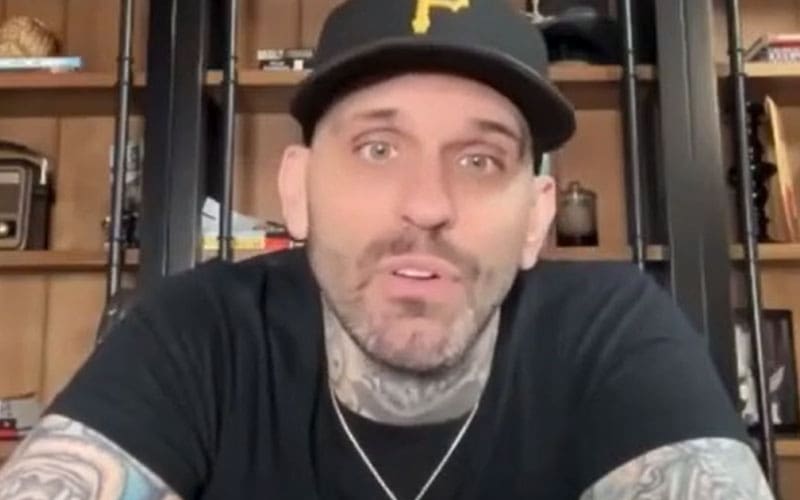
This tension between what is seen and what must be hidden dictates the entire philosophy of the commentary desk. The visual presentation is only half the battle. The audio dictates the emotional weight. In a seemingly unrelated but philosophically identical story, Corey Graves credited Michael Cole for teaching him his most valuable broadcasting lesson. He learned when silence matters most.
This is not an abstract broadcasting concept. It is a measurable, statistical science of audio engineering. An average modern wrestling broadcast features roughly 110 words spoken per minute by the commentary team. During the chaotic heights of the Attitude Era, Jim Ross and Jerry Lawler averaged closer to 135 words per minute. The goal in 1999 was to create a frantic, overwhelming audio experience that matched the chaotic visuals.
Modern WWE is produced much more like a high-end Premier League match. The pacing is deliberate. Graves transitioned to the commentary desk 12 years ago, following his forced in-ring retirement in 2014. Color commentators, particularly former wrestlers, typically struggle with dead air. The natural instinct is to justify your spot on the payroll by talking constantly.
If you track Graves’ early work in NXT, he averaged 3 to 4 interruptions per minute. He frequently stepped on the play-by-play caller to ensure his tactical observations were heard. It was an overcrowded audio mix that often distracted from the work in the ring.
The power of a 60-second void
Cole taught him the geometry of a major moment. When a massive return happens, or a championship changes hands, Cole will purposely drop his output to zero words per minute. He will leave stretches of 45 to 60 seconds of completely dead air. This allows the stadium microphones to pick up the pure, unfiltered crowd reaction.
The silence is the ultimate sign of broadcasting confidence. Look at English football. Martin Tyler's iconic title-winning call for Sergio Agüero in 2012 featured just one word, followed by nearly 120 seconds of pure stadium noise. Cole applies the exact same methodology to professional wrestling. You let the 50,000 fans in the building dictate the emotional stakes for the millions watching at home.
You cannot easily quantify the value of silence on a spreadsheet, but you can see it in viewer retention. Broadcast segments that allow the crowd noise to breathe routinely show a 4% to 6% bump in minute-by-minute audience retention. When the announcers stop talking, the viewers lean closer to the screen.
The discipline required for April
Both of these stories are fundamentally about discipline. Wrestling is a live-action stunt show that only works when it is tightly controlled. Tama Tonga lacked the discipline to keep his phone in his pocket during a walk-through. He let the desire for social media engagement override his understanding of the television product. Graves, conversely, learned the discipline to suppress his own voice. He learned that the overall product is bigger than his desire to be heard.
As WrestleMania 41 approaches in exactly 22 days, this control becomes even more vital. The margins for error shrink inside Allegiant Stadium. A leaked rehearsal clip for an April 19 match could ruin months of intricate narrative planning. A standard pay-per-view main event requires 4 to 5 hours of walk-throughs to ensure the camera angles align perfectly with the high spots.
JBL is absolutely right. If you cannot trust a performer to keep the mechanics of the show off their timeline, you cannot trust them in a high-profile spot. The fine isn't just a punishment for Tama Tonga. It is a warning shot to the rest of the locker room. The illusion is the only thing this industry actually sells. Whether you are holding a smartphone in an empty arena or wearing a headset at ringside, your primary job is to protect it.