The ghost of the Masterlock
Wrestling history is rarely written by the guys who actually win the matches. It is usually written by the people who booked them, or the guys who survived long enough to start a podcast. But the best stories? The truly fascinating footnotes? Those belong to the guys who almost made it. The guys who had the rocket strapped to their backs right up until someone cut the fuse.
According to a new report from Wrestling Inc, Chris Masters recently opened up about his rocky tenure in WWE. Specifically, he revealed that he was originally booked to win the Intercontinental Championship. The trigger was ready to be pulled. The title change was penciled in. And then, a mysterious "backstage intervention" brought the entire thing to a screeching halt.
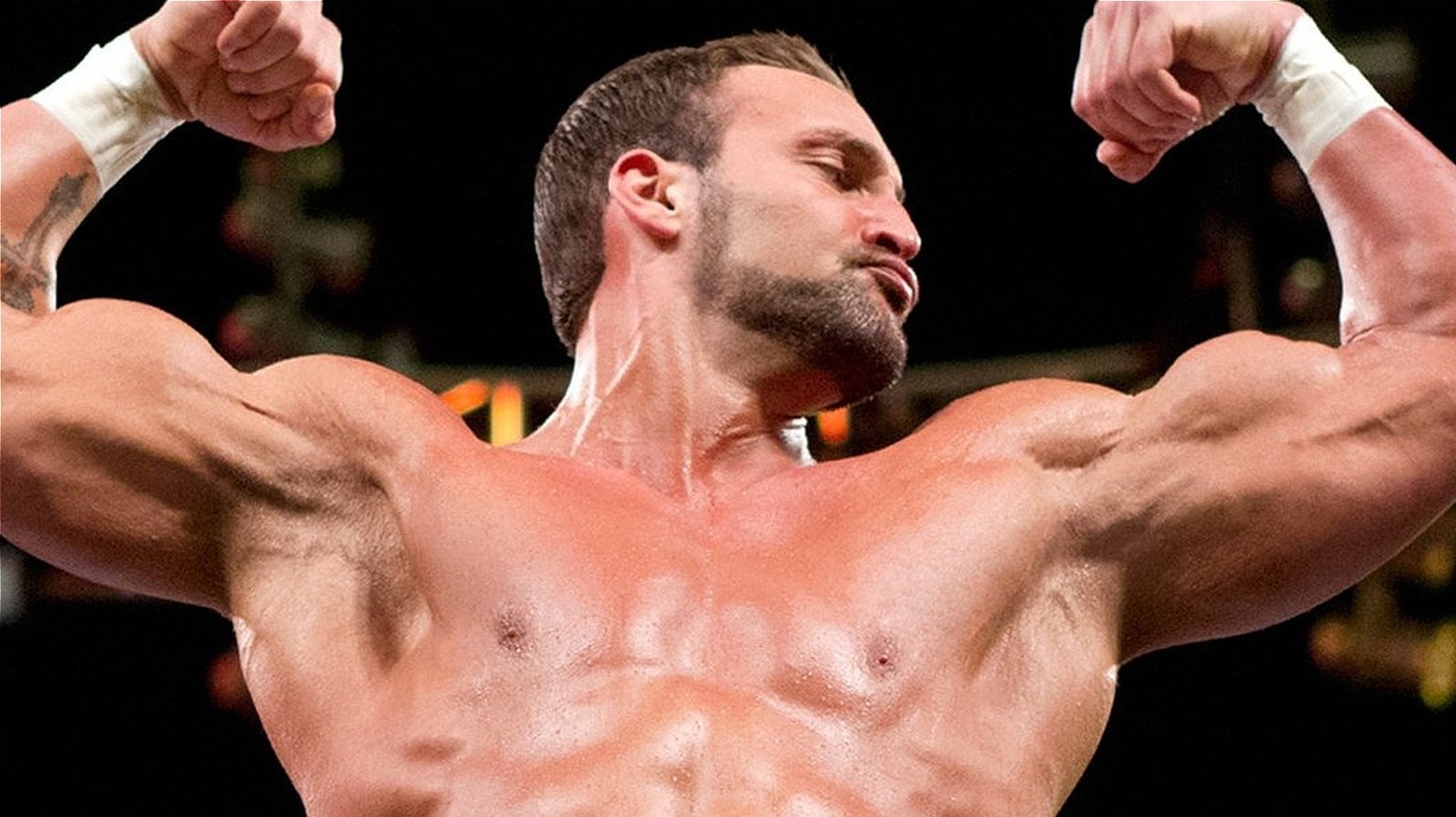
If you were watching WWE programming in 2005, you know exactly how massive the initial push for "The Masterpiece" really was. He debuted on Monday Night Raw at just 22 years old. He looked like he was carved out of marble by a sculptor who got paid by the vein. Vince McMahon historically loves a bodybuilder, and Masters was the absolute prototype. But getting the massive push and surviving the political shark tank of the Ruthless Aggression locker room are two entirely different skill sets.
The genius of the Masterlock Challenge
Before we get into the backstage politics, we have to acknowledge why WWE wanted to put a belt on him in the first place. The Masterlock Challenge was an incredible piece of old-school booking. It was simple, it was arrogant, and it worked flawlessly.
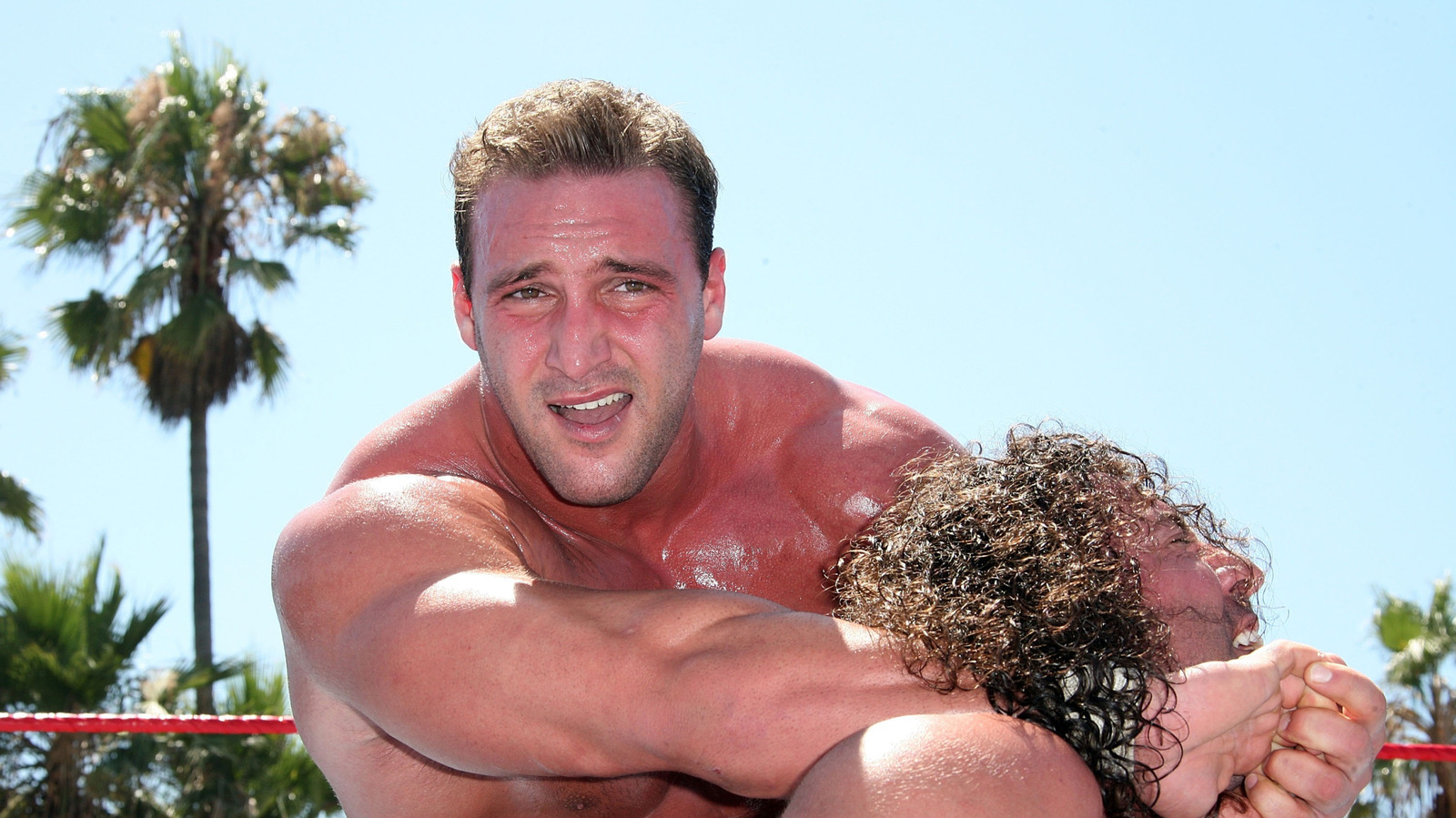
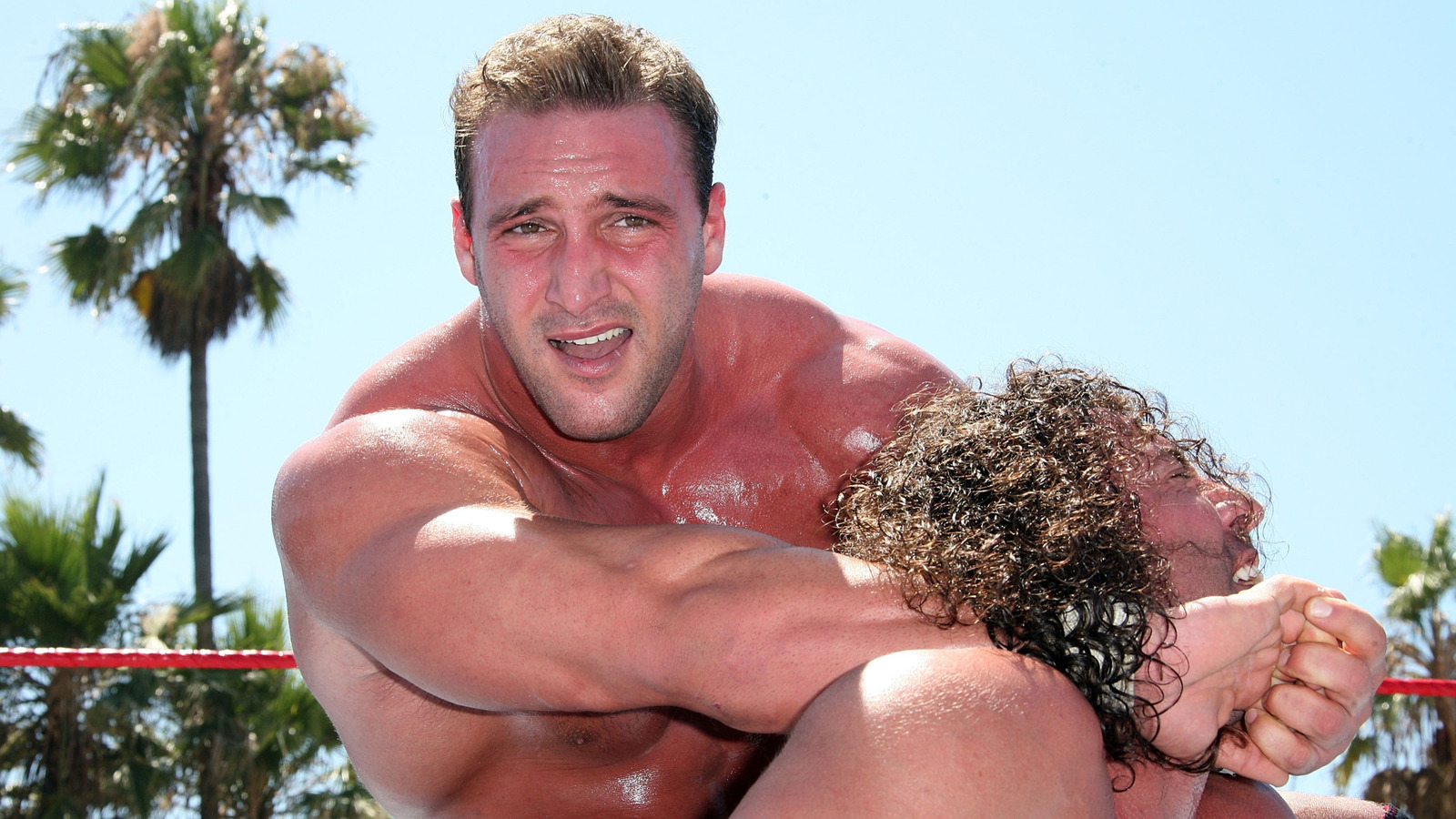
Every single week, they would drag a steel chair into the middle of the ring. Masters would offer thousands of dollars to any local jobber, mid-carder, or planted fan who could break his full nelson. Nobody could. The visual of Masters flexing while some poor local independent wrestler turned purple and passed out was incredibly effective. It got him over fast. It got him over so fast that he was soon sharing the ring with Shawn Michaels and John Cena in main event segments.
Think about the Elimination Chamber match at New Year's Revolution in early 2006. Masters was in there with Cena, Michaels, Kane, Carlito, and Kurt Angle. That is absurd company for a guy who had been on television for less than a year. He and Carlito actually teamed up to eliminate Kane, and for a brief second, you actually thought they might pull off the upset.
But the Masterlock Challenge also served a secondary, much more important purpose. It hid the fact that Chris Masters was incredibly green. He was rushed to television way too fast. His actual matches were slow, plodding affairs that exposed his lack of fundamental experience. Putting the Intercontinental Championship on him meant he would actually have to go out there and wrestle 15-minute bouts on pay-per-view against guys like Shelton Benjamin or Ric Flair.
The political knife in the back
So, who staged the backstage intervention? Masters doesn't name names in the initial report, but you don't need to be an insider to read the tea leaves. The mid-2000s WWE locker room was notoriously protective of its spots. You had established veterans clinging desperately to their television time, and a massive crop of developmental call-ups fighting for whatever scraps were left at the bottom of the card.
When a kid in his early twenties with limited ring experience is suddenly slotted to win the recognized workhorse title of the company, feathers are going to get ruffled. Someone absolutely walked into Vince's office and told him the kid wasn't ready to carry that belt.
And honestly? That unnamed veteran was probably right.
Think about who was holding the Intercontinental Championship during that stretch. You had Ric Flair, arguably the greatest of all time, doing some of his best late-career work. You had Shelton Benjamin putting on absolute clinics every single week. The title actually meant something. It was the worker's belt. Dropping it onto a guy whose entire offensive arsenal consisted of a clothesline, a suplex, and a full nelson would have been an insult to the guys busting their asses in the mid-card. The locker room policed itself, and in this specific instance, the policing was justified.
As much as we love to complain about backstage politics burying young talent, putting a singles title on a guy who cannot confidently lead a match is a recipe for disaster. The crowd turns on them quickly. The matches tank. The title loses prestige. Whoever made that intervention likely saved Masters from having a historically bad title reign that would have damaged his career even further.
Instead of a singles run, they pivoted him into a tag team with Carlito. They challenged Big Show and Kane for the tag titles at WrestleMania 22. They lost, Carlito turned on him, and the decline of The Masterpiece officially began.
The second strike and the Wellness Policy
But the story gets worse. The backstage intervention wasn't the only thing that derailed his championship aspirations. The report notes that Masters missed out on a second title opportunity, this time due to a drug policy violation. This is where the fan sympathy completely evaporates.
In early 2006, following the tragic passing of Eddie Guerrero, WWE finally got serious about testing their talent. They implemented the Wellness Policy. It completely changed the physical makeup of the roster. Guys were suddenly dropping massive amounts of weight. The cartoonish physiques of the late 90s and early 2000s started to disappear from television.
Masters was one of the most visible casualties of this new testing regime. When he failed a test and was subsequently suspended, he lost all his forward momentum. Worse, when he eventually returned to television, he was noticeably smaller. The massive, veiny aesthetic that earned him the "Masterpiece" nickname was completely gone. He just looked like a normal, athletic guy in trunks.
Without the freakish look, the front office completely lost faith in him. He became just another guy on the roster. Eventually, Bobby Lashley was selected as the man to finally break the Masterlock, popping the hold and effectively ending the only gimmick Masters had left.
You can absolutely complain about a veteran politician stealing your spot behind the curtain. That is the nature of the beast in professional wrestling. But popping on a drug test right when the company is desperately attempting to clean up its public image? That is an unforced error. That is entirely on you.
A relic of a wild era
Looking back at the Chris Masters experiment from our current vantage point in 2026 is wild. Think about how the company operates today under Triple H. If a guy is green, he stays in NXT. He works the loop in Florida until he knows how to call a match in the ring. He doesn't get thrown onto Monday Night Raw to learn how to bump in front of three million viewers.
We are less than a month away from WrestleMania 41 in Las Vegas. When you look at the card shaping up for Allegiant Stadium, you see guys who have spent a decade perfecting their craft. You see intricate storytelling. You see a level of athleticism that makes the 2005 roster look like they were wrestling in slow motion. The bar for entry is simply too high now. A guy with Masters' 2005 skill set wouldn't even make it past the initial tryout camp in Orlando today.
He eventually became a very capable in-ring performer during his second run with the company years later, but by then, the damage was done. The aura was gone. The fans had already categorized him. He never got to hold the Intercontinental Championship, and he never got that second title they apparently promised him.
But he still has the Masterlock. And honestly, in a business where 90 percent of the roster is completely forgotten five years after they retire, having a signature move that fans still remember twenty years later isn't a bad consolation prize.