The Lifeblood of the Business
The current state of wrestling is dominated by talk of TV rights, massive stadium shows, and corporate mergers. But while everyone is obsessing over what Cody Rhodes is doing at WrestleMania or what Tony Khan is tweeting, the actual lifeblood of the industry is still sweating it out in armories and high school gyms.
Case in point: Focus Pro Wrestling's recent "All the Small Things" show, which just got a thorough breakdown from Maitland and McClelland on the PWTorch Dailycast. If you aren't paying attention to shows like this, you are missing the forest for the trees.
Focus Pro isn't putting 80,000 people in Allegiant Stadium. They aren't getting billion-dollar deals to stream on Netflix. But what they are doing is providing the exact environment where the next generation figures out how to work.
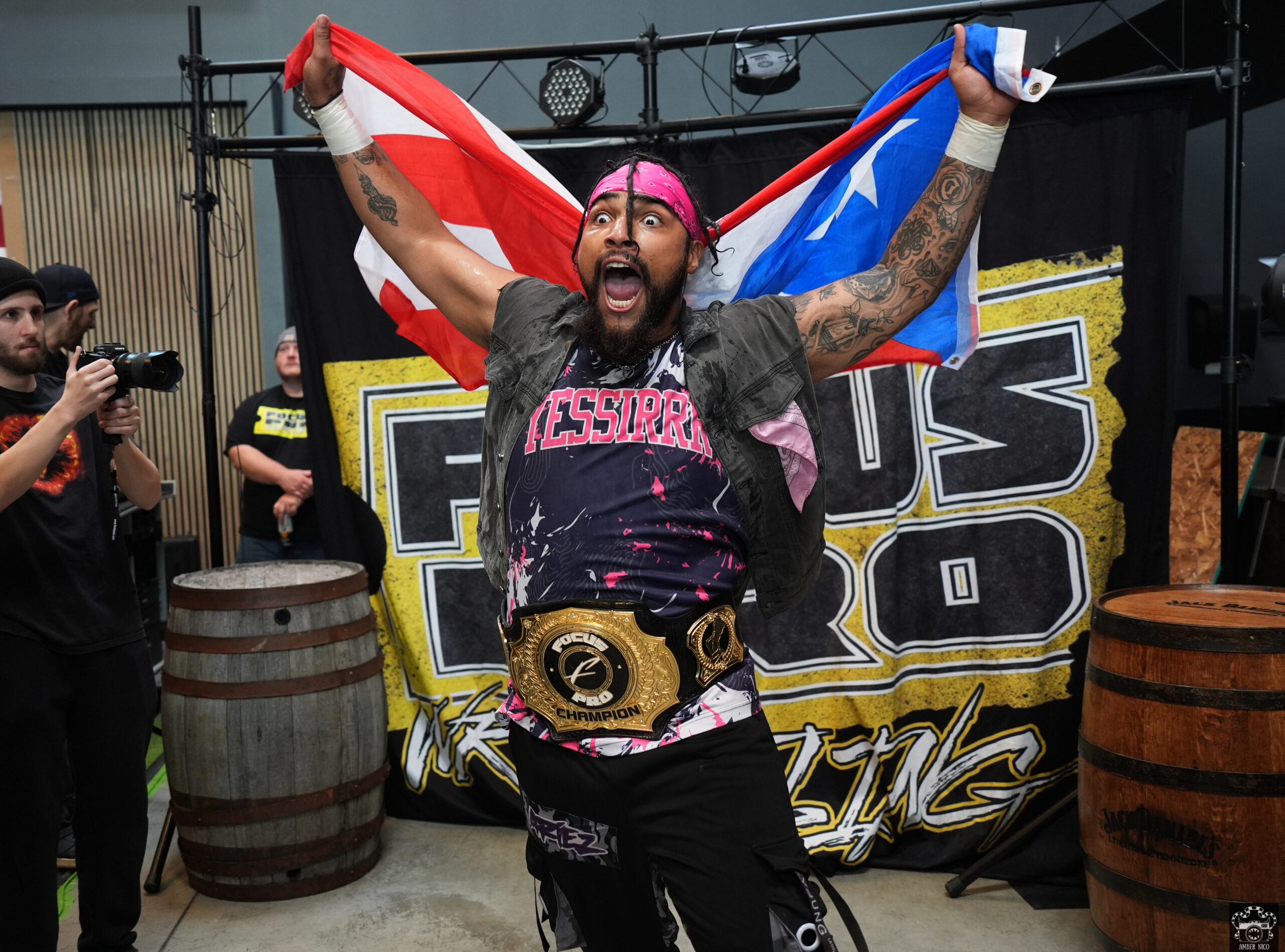
The review of the show highlighted Frankie Kazarian stepping into the ring with Ariez. That right there is the classic veteran-tests-the-prospect formula that has literally built the foundation of modern professional wrestling.
The Value of the Veteran
Kazarian is a guy who has seen it all. TNA, Ring of Honor, AEW, you name it. He could easily just cash his checks and coast until retirement. Instead, he is showing up at Focus Pro to work with a guy like Ariez. That matters.
When you listen to Maitland and McClelland break down the psychology of that match, you realize how invaluable it is for a young talent to feel the timing of a twenty-year veteran. This isn't merely a matter of hitting spots. It is a masterclass in learning how to breathe, how to milk a hold, and how to actually make a crowd care without dropping someone on their neck for a cheap pop.
And yet, if you look at how the major companies handle development sometimes, it is absolutely maddening. We get these sterile, over-produced environments where guys learn to hit their marks for the hard cam but completely forget how to audible when the crowd goes dead.
The indies are messy. They are chaotic. But that chaos breeds survival skills. You think a guy who survived working in front of 150 critical fans in a sweltering room is going to freeze up on live television? No chance.
Fixing the Tag Team Problem
Then you have the tag team scene. The PWTorch crew spent significant time on Bustah & Brain against Post Game. Let’s be completely honest for a second: mainstream tag team wrestling is in a weird spot right now.
WWE still treats it like an afterthought half the time, throwing two singles guys together to kill time before a premium live event. AEW has great teams, but the division has felt wildly inconsistent for months. They book heatless bangers instead of sustained, deeply personal feuds.
Down in the indies, tag team wrestling is still treated like a religion. Teams actually wear matching gear, work double-team spots that make sense, and understand the basic concept of cutting off the ring. Bustah & Brain mixing it up with Post Game is exactly the kind of stuff you want to see if you miss teams that actually function as a cohesive unit.
It is incredibly refreshing to hear a podcast actually dedicate over an hour to breaking down these matches. The wrestling media cycle is exhausting. It is mostly rumors, contract speculation, and people arguing about ratings demographics on Twitter.
Actually talking about the wrestling itself? What a novel concept. Maitland and McClelland actually care about the execution of the moves, the logic of the finishes, and the progression of the talent.
The One Glaring Indie Flaw
But I do have a massive bone to pick with how some of these indie shows are structured. Too often, promoters try to cram a three-hour epic into a space that doesn’t need it. The "All the Small Things" card sounded solid, but the pacing of indie wrestling in 2026 can still be a glaring issue.
Everyone wants to have the thirty-minute broadway. Not every match needs to be a marathon. Sometimes a heated eight-minute sprint does more for a wrestler's career than a bloated epic where the crowd is completely dead by the finish.
This is exactly where the veteran presence comes back into play. A guy like Kazarian knows exactly how much time a match actually needs. He isn't going to go twenty-five minutes if the story can be told perfectly in twelve.
The younger guys like Ariez need to soak that up. It is the absolute hardest lesson to learn in this business. You don't get over by doing everything you know; you get over by doing the right thing at the exact right moment.
Stop Complaining and Start Watching
We also need to talk about the absolute grind that these podcast hosts put in to cover this stuff. Listening to a 68-minute breakdown of a regional indie show takes dedication. It is easy to fire off a hot take about CM Punk or Roman Reigns.
It takes actual work to sit down, watch a Focus Pro show, take copious notes, and deliver a coherent analysis of why a mid-card tag match worked or failed. This is the kind of coverage that actually helps the industry grow.
The internet wrestling community loves to complain about the lack of fresh stars. We constantly hear whining about how the top of the card feels stale or how WWE relies too heavily on part-timers for their massive stadium shows. If you want new stars, you have to support the grassroots scene that creates them.
You can't just wait for them to magically appear on Monday Night Raw fully formed. You have to pay attention to places like Focus Pro. You have to care about Bustah & Brain figuring out their tag team chemistry. You have to watch Ariez test himself against a grizzled veteran who is going to make him earn every single inch of offense.
If you ignore this level of the business, you forfeit your right to complain when the main event scene gets boring. Let’s look at the bigger picture here. We are heading into a massive summer. The build to AEW Double or Nothing is causing its usual chaos.
Wrestling has a ton of competition for eyeballs right now. For an indie promotion to stand out, they have to deliver compelling in-ring action and stories that actually make sense to the people paying for tickets. This podcast review just confirms that the hard work is still being done in the trenches.
It isn't always glamorous. The lighting might be terrible, the audio might peak when the ring announcer yells, and the folding chairs might be incredibly uncomfortable. But when the bell rings, the effort is undeniable. That raw, unfiltered energy is something the polished television products can never truly replicate.
It is so easy to become cynical as a wrestling fan today. We watch hours of programming every single week, much of it feeling like a direct repeat of what we saw a month ago. The major companies fall into repetitive formulas because those formulas are safe and they protect the massive television rights fees.
Indie wrestling doesn't have that luxury. They have to go out there and fight for every single ticket sale. So yes, an hour-long PWTorch breakdown of Kazarian wrestling on an indie show matters immensely. It is a stark reminder that professional wrestling is bigger than two or three massive corporations fighting over market share.
It is a sprawling, chaotic, beautiful mess of talent trying to make a name for themselves in front of small crowds. If you aren't tapping into that energy at least once in a while, you are completely missing out on the best part of being a fan.
Stop obsessing over television ratings for one weekend. Turn off the endless arguments about demo numbers and ticket distribution. Go find a show like "All the Small Things", or at the very least, listen to the people who are putting in the work to cover them.
The future of the business is happening right there, usually somewhere in the middle of a card, in a match where a veteran decides to make a young kid look like a million bucks.