The masked enigma that lost its way
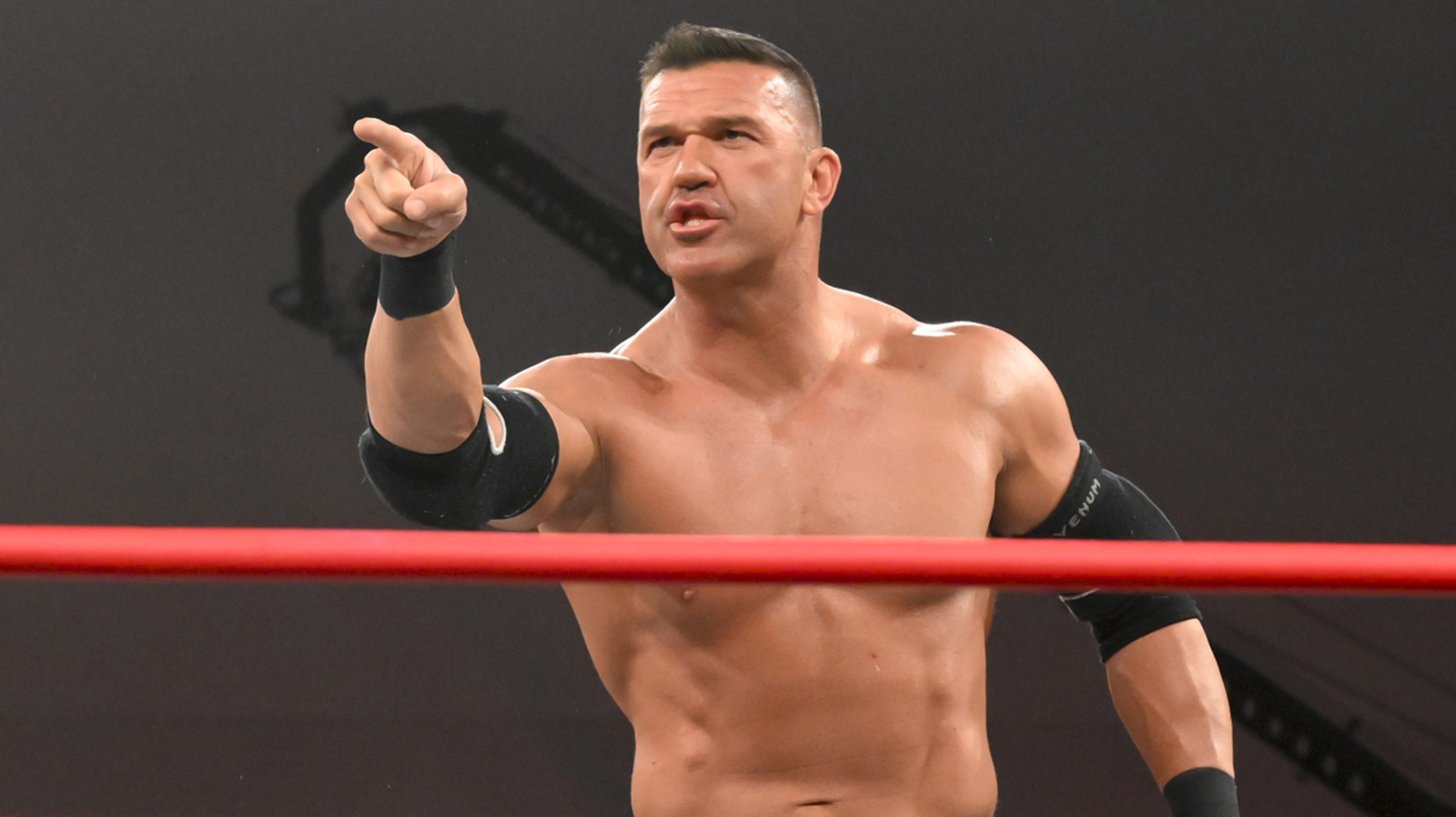
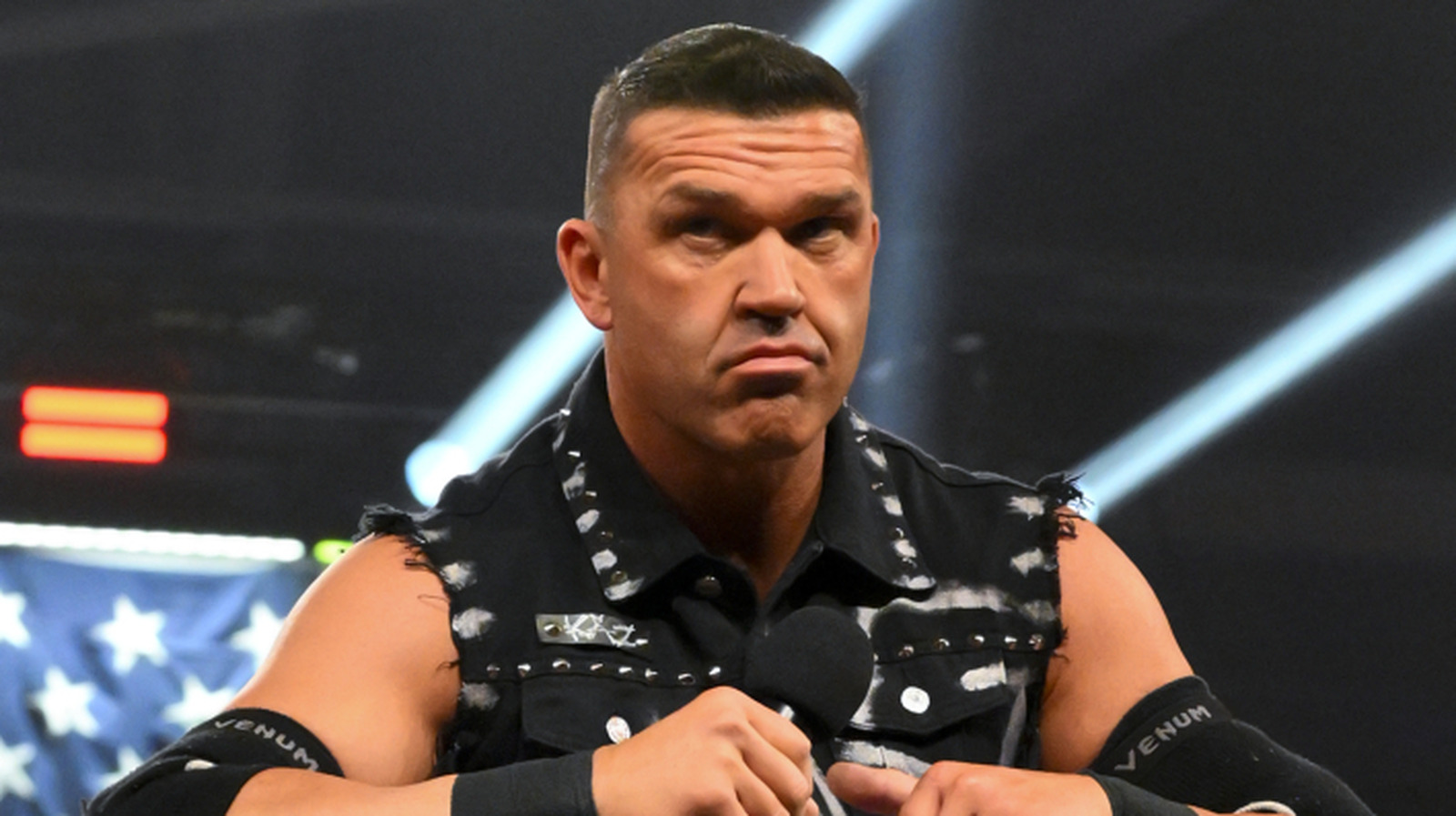
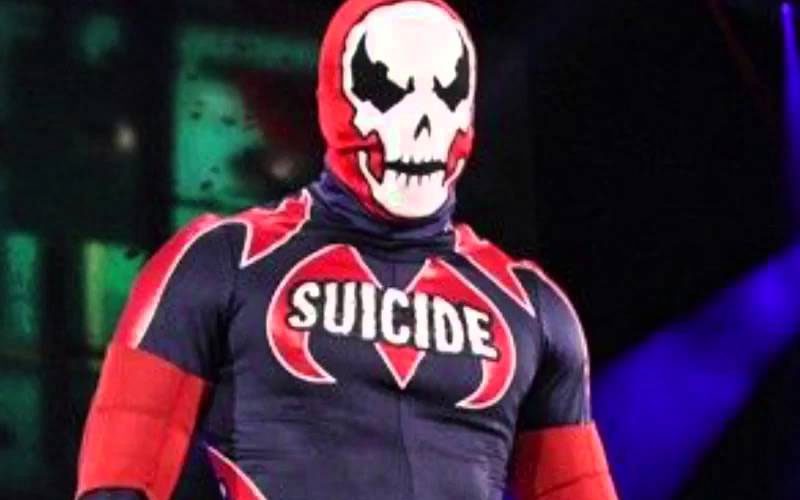
Frankie Kazarian recently laid bare a frustration shared by many longtime TNA observers. During his appearance on the RVD podcast, he discussed the Suicide character, an identity that arrived in late 2008 with a distinct air of mystery and high-flying danger. Kazarian identifies a fundamental problem: the company had a genuine wildcard and consistently diluted its value through repetitive booking.
When Suicide debuted, the presentation was calculated. It wasn't just another wrestler in a mask; it was a character designed to bridge the gap between stylized video game aesthetics and the grittier reality of the X-Division. Kazarian, who often found himself in the ring with various iterations of the character, noted that the promotion abandoned the narrative hooks that separated Suicide from the rest of the undercard.
Tactical errors in character development
The failure here wasn't a lack of talent beneath the mask. It was an inability to maintain the aura of a character that relied on anonymity. By the time the Ringside News report highlights Kazarian’s assessment, the damage was already done. The character transitioned from a mysterious threat into an interchangeable utility player who frequently lost the high-profile matches required to sustain a main-event stature.
We saw this shift in intensity when the booking team forced the character into long-form wrestling matches that didn't play to its strengths. Suicide excelled in 5-minute chaotic sprints, yet bookers consistently placed it in 15-minute technical bouts that exposed the limits of the gimmick. It is the classic TNA trap: taking a diamond-in-the-rough concept and grinding it down into gravel through sheer repetition.
The cost of wasted potential
Critiquing TNA for this oversight is necessary because it highlights a recurring trend. The company often introduced concepts with immense upside, like the Suicide persona, only to retreat to a baseline of mediocre mid-card storytelling. When the unique selling points of a character are stripped away, the audience stops caring about the mask and starts reading the man behind it.
This is a recurring theme in modern wrestling analysis. If you move a character from a position of supernatural intrigue to a standard win-loss record, you lose the narrative thread. The Suicide character required protection that it simply never received. It serves as a reminder that presentation often accounts for 60 percent of a character's success, regardless of the athleticism involved.
Final analysis
Looking at the trajectory of the X-Division, the decline of Suicide mirrors the broader loss of identity within the brand during that era. It is a cautionary tale regarding the maintenance of characters who operate outside the standard reality of the roster. If you have an asset this distinct, you do not let it become just another face in the locker room.
My prediction for the legacy of this character is grim. It remains an relic of what could have been rather than what was. Unless a future creative team treats the mask as a genuine commodity rather than a prop, Suicide will forever be defined by Kazarian’s observation: a massive missed opportunity.