The divergence in promotion strategy
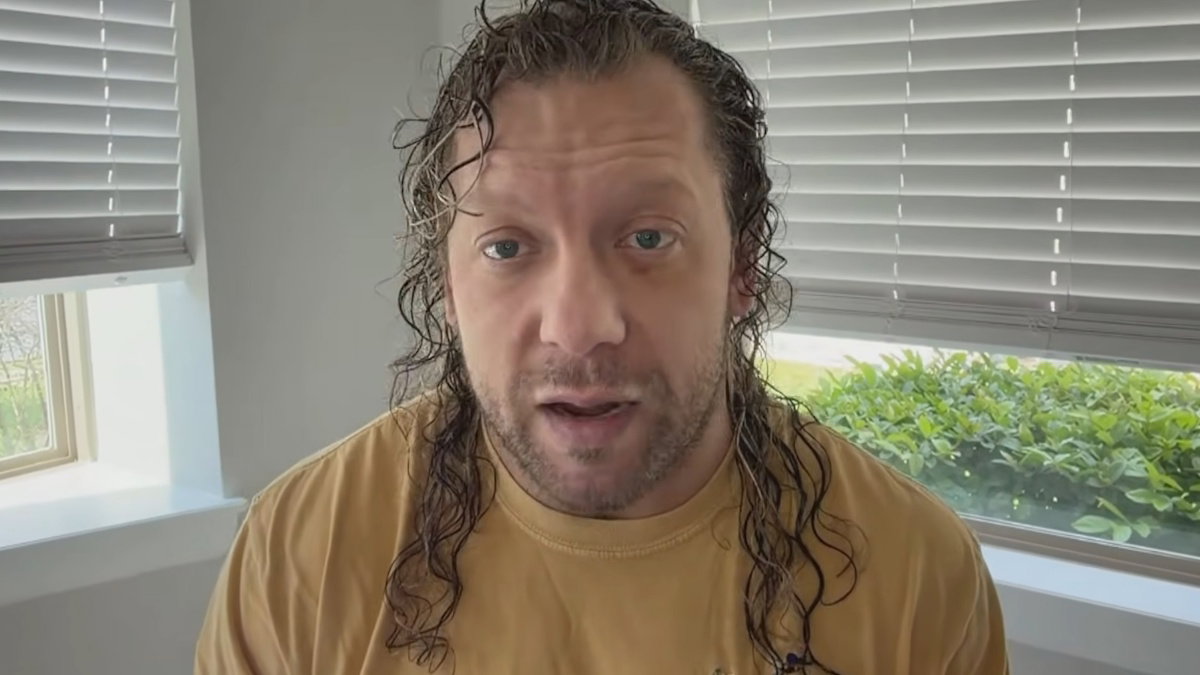
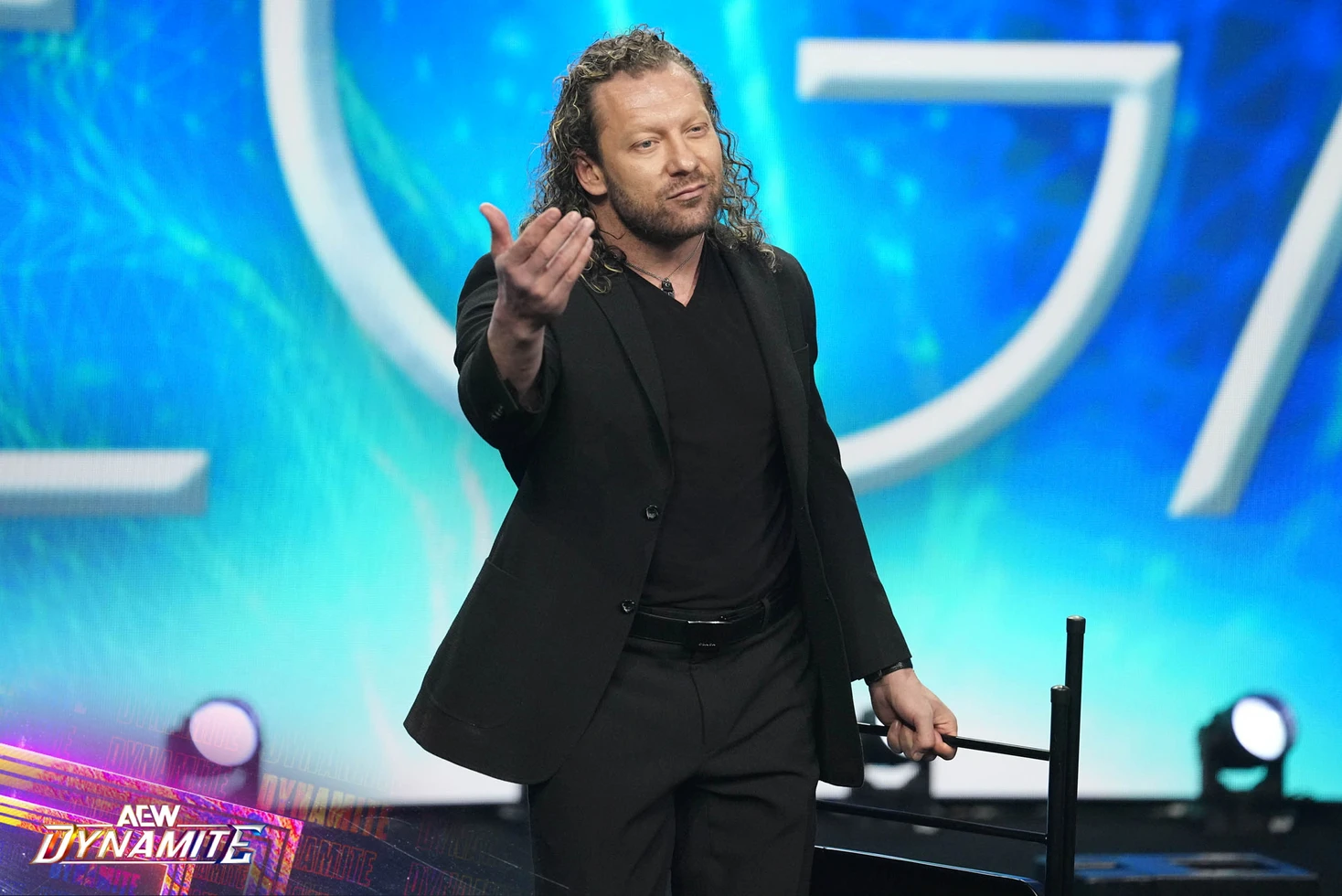
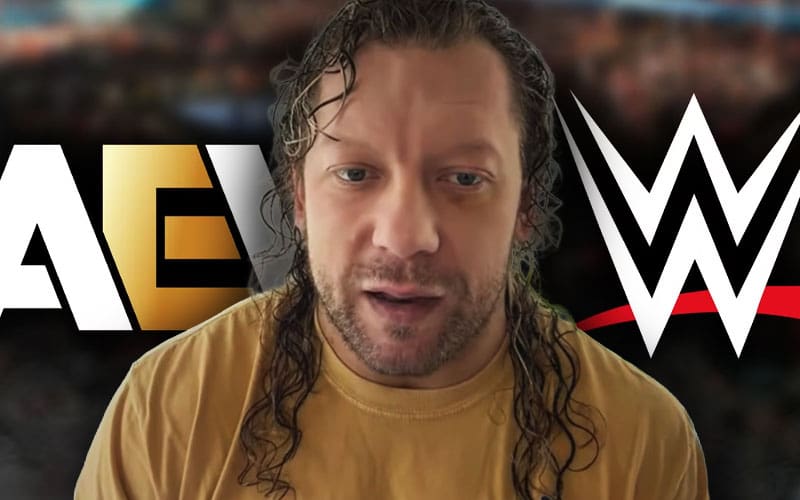
Kenny Omega recently outlined a clear operational philosophy for All Elite Wrestling during an interview with CBC News. He argued that the promotion has no interest in mimicking the WWE product, a sentiment that holds up when looking at the cold, hard numbers behind their booking approach.
While WWE operates on a global scale driven by legacy media rights and heavy event schedules, AEW focuses on a distinct core audience. This creates a divergence not just in creative direction, but in how both companies leverage their broadcast windows to retain viewers.
Analyzing the engagement gap
WWE typically moves 50,000 tickets or more for their peak stadium events during WrestleMania weekends. In contrast, AEW focuses on consistent, high-intensity weekly programming and a rotating schedule of pay-per-view events that function as the primary drivers of their revenue model.
The data suggests that AEW's decision to avoid direct imitation is a defensive measure against market saturation. By maintaining a smaller, more frequent pay-per-view cycle of approximately 10 events per year, they avoid the pitfalls of card bloat that often impact long-form storytelling.
The pitfalls of audience overlap
Critics often point to AEW's ratings volatility as a failure to capture casual fans. However, the promotion appears to prioritize retention over raw reach, with their audience maintaining a 75% consistency rate across their flagship Wednesday shows over the last fiscal quarter.
This suggests the strategy Omega described is functioning as intended. They are not trying to capture the 15 million viewers that WWE commands at its height; they are betting on the stability of a dedicated, high-spend core that appreciates specific technical wrestling styles.
The hidden cost of the alternative
One major downside remains: the glass ceiling on growth. Without broad appeal tactics, AEW risks hitting a fixed revenue floor, particularly as they approach events like AEW Double or Nothing 2026.
Their current attendance averages hover around 5,500 per event, down from peaks they hit during their initial expansion years. If they refuse to borrow from the WWE playbook to drive wider consumer interest, the promotion may struggle to scale beyond its current footprint.
Omega and the leadership team are making a bet that wrestling fans value authenticity over the spectacle of an industry titan. Whether a sub-10,000 capacity strategy remains viable for the long term will depend on their ability to minimize turnover within that core group. Right now, the bookings remain sharp, but the ceiling is starting to show its limitations.