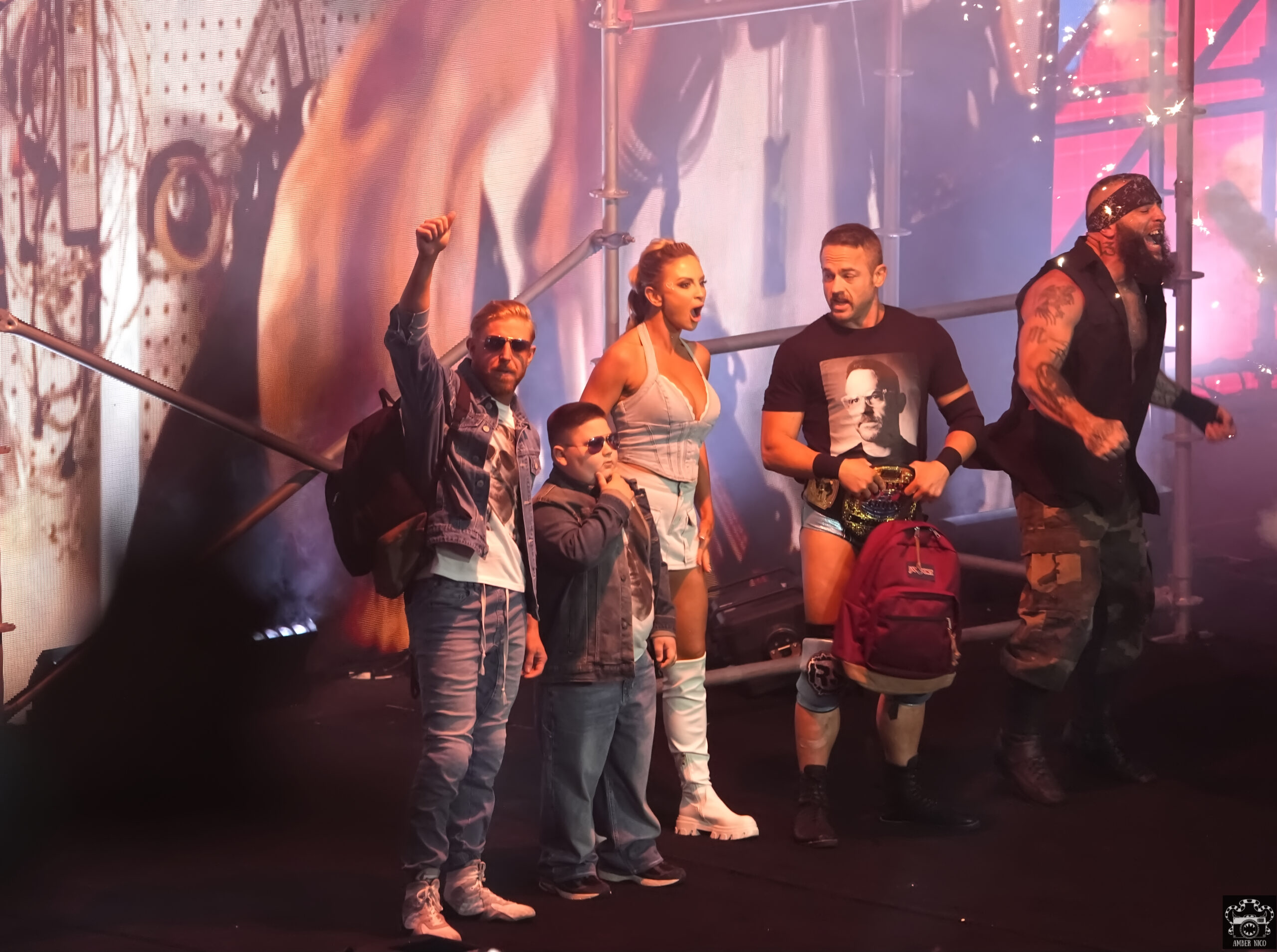
Ricky Saints’ exodus exposes a deeper rot in AEW’s booking
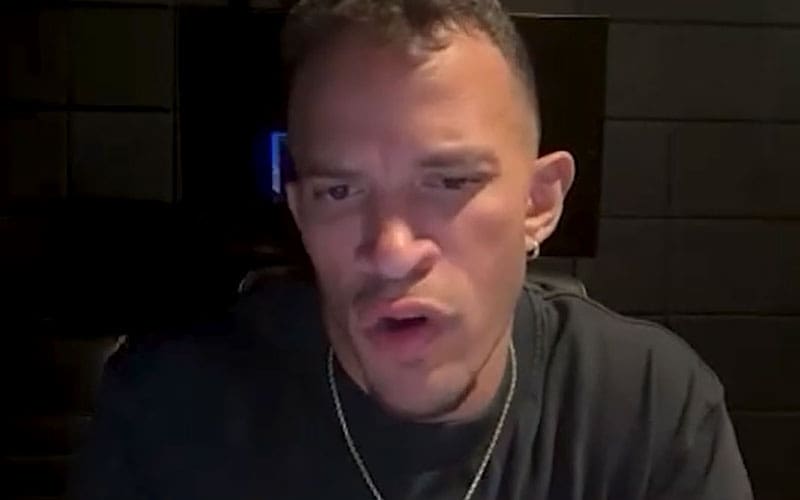
The quiet exit of a high-ceiling talent
The recent discourse surrounding Ricky Saints and his move from AEW to WWE highlights a recurring issue in professional wrestling: talent mismanagement. For too long, Saints sat on the sidelines, a name with genuine television magnetism left to collect a paycheck while losing real-world relevance. According to reports from F4WOnline, Saints has finally addressed this extended absence, and the reality is far more damning than a simple rotational benching.
We saw this pattern emerge throughout 2025. A performer with elite mic skills and a distinct aesthetic is reduced to a background fixture, waiting for a booking trigger that never pulls. In wrestling, momentum works like compound interest; when you stop betting on a wrestler for months, the audience stops investing their time. Saints being kept off television isn't just a missed opportunity—it is organizational negligence.
The strategic divergence between AEW and WWE
What makes the Saints situation particularly sharp is how the two major corporations handle their rosters. WWE, under the current regime, moves with a clear objective. Their recent pivots have demonstrated a ruthless efficiency in moving talent from developmental to main card status. By contrast, AEW’s tendency to keep established stars in cold storage indicates a lack of a central creative pipeline.
Vince Russo recently commented on his own potential alignment, noting he has no plans to exit the JCW environment for an AEW post, as Ringside News covered yesterday. While Russo’s brand of chaotic booking is obviously not for everyone, his interest in conducting a deep-dive interview with Tony Khan reflects a broader industry curiosity about why these personnel decisions go unaddressed. As noted via Ringside News, the questioning of ownership transparency is no longer confined to the fringes of wrestling social media.
The metrics of wasted time
When you evaluate a wrestler’s value, you look at their last significant angle and their subsequent trajectory. Saints spent roughly 200 days effectively absent from critical programming tiers before his exit became a technical reality. During that same window, the promotion prioritized long-form tournament structures that often stalled the momentum of single, charismatic performers. A character like Saints needs the spotlight every seven days; giving him a block of time off does not build mystique—it builds indifference.
The critique here isn't just about the wrestler; it is about the feedback loop within management. If a talent of that caliber communicates unhappiness or expresses a desire for more consistent usage, and the response is silence, the separation becomes inevitable. Wrestling fans notice when the creative direction lacks intent. We track the minutes in the ring, the frequency of promo segments, and the impact of the final bell. Saints was consistently underserved by the booking sheet.
Looking toward the post-Saints reality
As we approach WrestleMania 41, which sits just 15 days away on April 19th and 20th, the industry is bracing for a talent shift that feels permanent. WWE is successfully consolidating top-tier talent, creating a product density that puts immense pressure on rivals to maximize their own active rosters. If a company fails to use its assets, another will gladly step in to fill the void.
This is a tactical failure. To lose an asset like Saints because of an inability to find five minutes of airtime a week speaks to a wider lack of focus. Fans see the difference between a deliberate slow burn and an accidental disappearance. The latter is exactly what happened here, and it is a flaw that AEW needs to reconcile before they lose more names to the alternative.
The Rise and Fall of ECW (Wrestling Books)
A deep dive into the hardcore territory that changed the industry forever.
Frequently Asked Questions
Why did Ricky Saints leave AEW for WWE?
How long was Ricky Saints absent from AEW main programming?
What is the primary critique regarding AEW's booking strategy?
How does AEW’s talent usage compare to WWE’s approach?
What does the author mean by organizational negligence in wrestling?
More Coverage

Data suggests Nick Aldis is manipulating WWE main event windows
an hour ago
Top 10: The Most Impactful Pro Wrestling Moments of 2026
2 hours agoWhy the Broken Hardy act is a major gamble for Philadelphia
3 hours ago
WWE reshuffles NXT pipeline as Meghan Walker eyes main roster debut
4 hours ago
Andre Chase pulls back the curtain on the Shawn Michaels era at NXT
5 hours ago
The Andre Chase effect: Why Shawn Michaels is the ultimate NXT headmaster
5 hours agoMore Analysis
Ricky Saints breaks silence on his cold AEW departure
3 months, 2 weeks ago
Ricky Saints finally breaks silence on AEW benching
3 months, 2 weeks ago
Ricky Saints and the strange bureaucracy of being a wrestling free agent
3 months, 2 weeks ago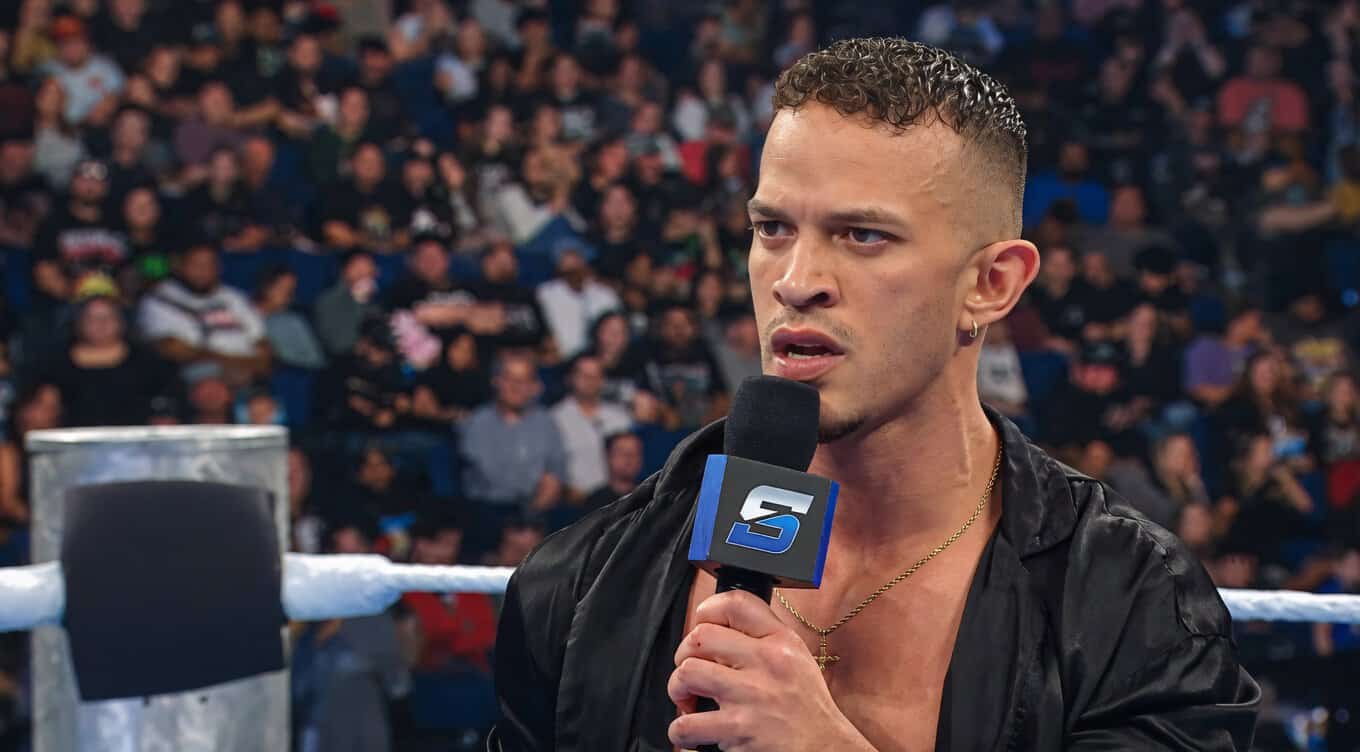
Ricky Saints highlights the raw efficiency gap in modern wrestling
1 week, 2 days ago
AEW's roster bloat is masking a deeper creative rot
1 month, 1 week ago