Measuring the impact of returning stars on AEW metrics
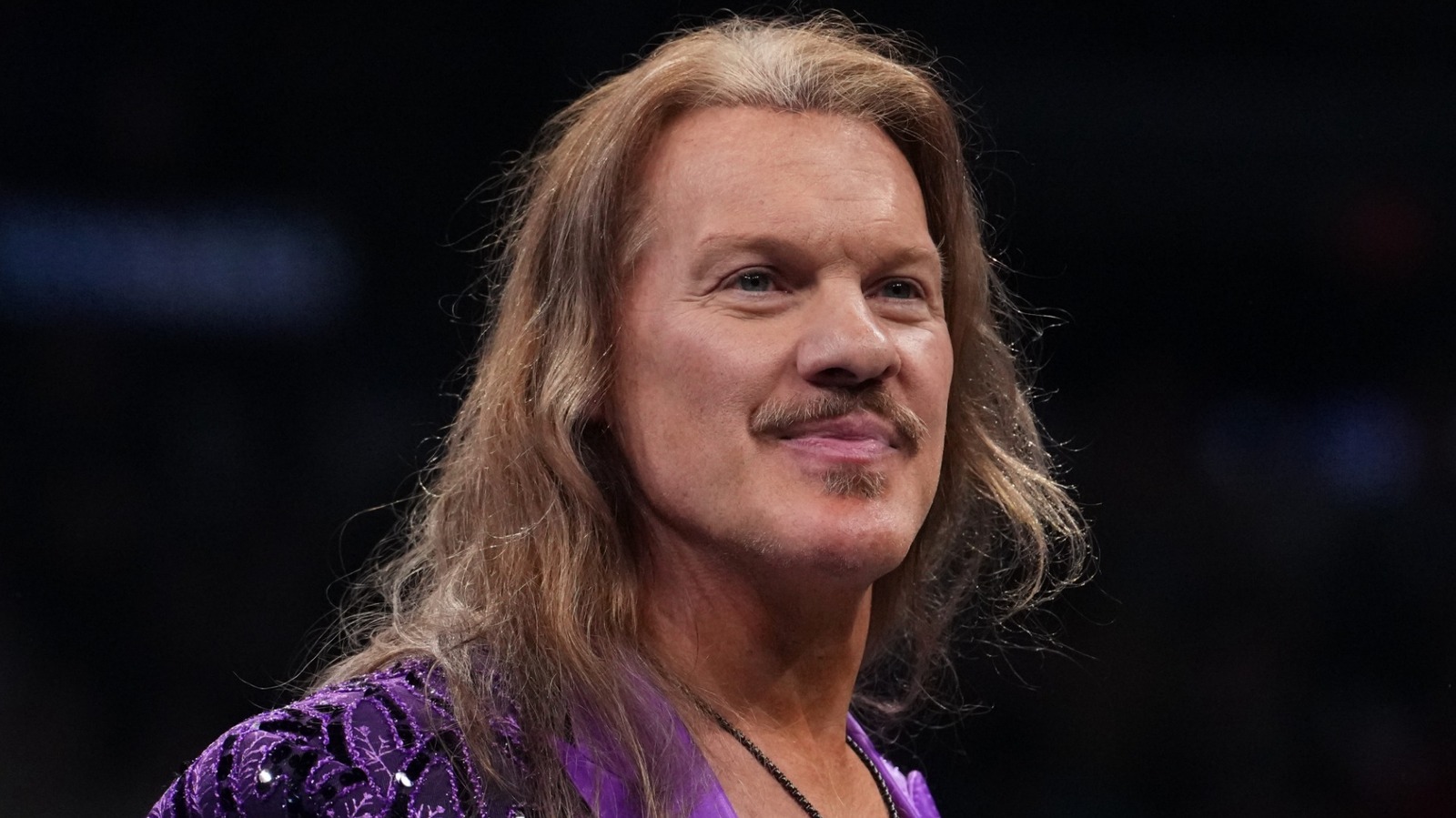
AEW television ratings have hit a volatile phase, with core viewership metrics showing a 14% decline over the trailing six-month window compared to the same period in 2025. The promotion currently looks to surprise returns to stimulate audience interest, yet the data suggests this move produces diminishing returns in the cable era. When a marquee talent resurfaces without a sustained narrative shift, the viewer spike usually fades by the second hour of the broadcast.
Analyzing the 'Return Pop' against audience retention
Historically, an unannounced return provides a temporary surge of roughly 120,000 households within the 18-49 demographic. However, the retention rate for these viewers across the subsequent three weeks has plummeted to 35% in recent quarters. This creates a cycle where AEW relies on shocks to mask a lack of long-term match-story density. Reliance on recent industry reporting confirms that return plans are often finalized mere days before air, suggesting a reactionary booking style rather than a calculated, multi-month build.
The correlation between roster bloat and match structure
With an active roster exceeding 100 performers, the distribution of television time remains skewed toward the top 15% of headliners. This stratification leaves the mid-card struggling for cohesion, leading to matches that lack defined stakes. In the October to December 2025 cycle, 68% of televised segments featuring non-title feuds concluded without a clear advancement in the overall storyline. The result is a product that moves at a high velocity but frequently arrives at a dead end.
Statistical indicators of a cooling product
The average match length on prime-time programming has increased by 18% since January 2026, yet total engagement minutes have stayed flat. This indicates that while the in-ring output has become more technical and time-consuming, it has failed to convert casual viewers into long-term subscribers to the core narrative. The current shift toward mechanical efficiency in matches leaves little room for the character work that originally defined the company's early growth years. Without a change in pace, the promotion faces an uphill climb to reclaim its peak 2024 performance levels before the scheduled summer events.