The philosophical drift between the two giants
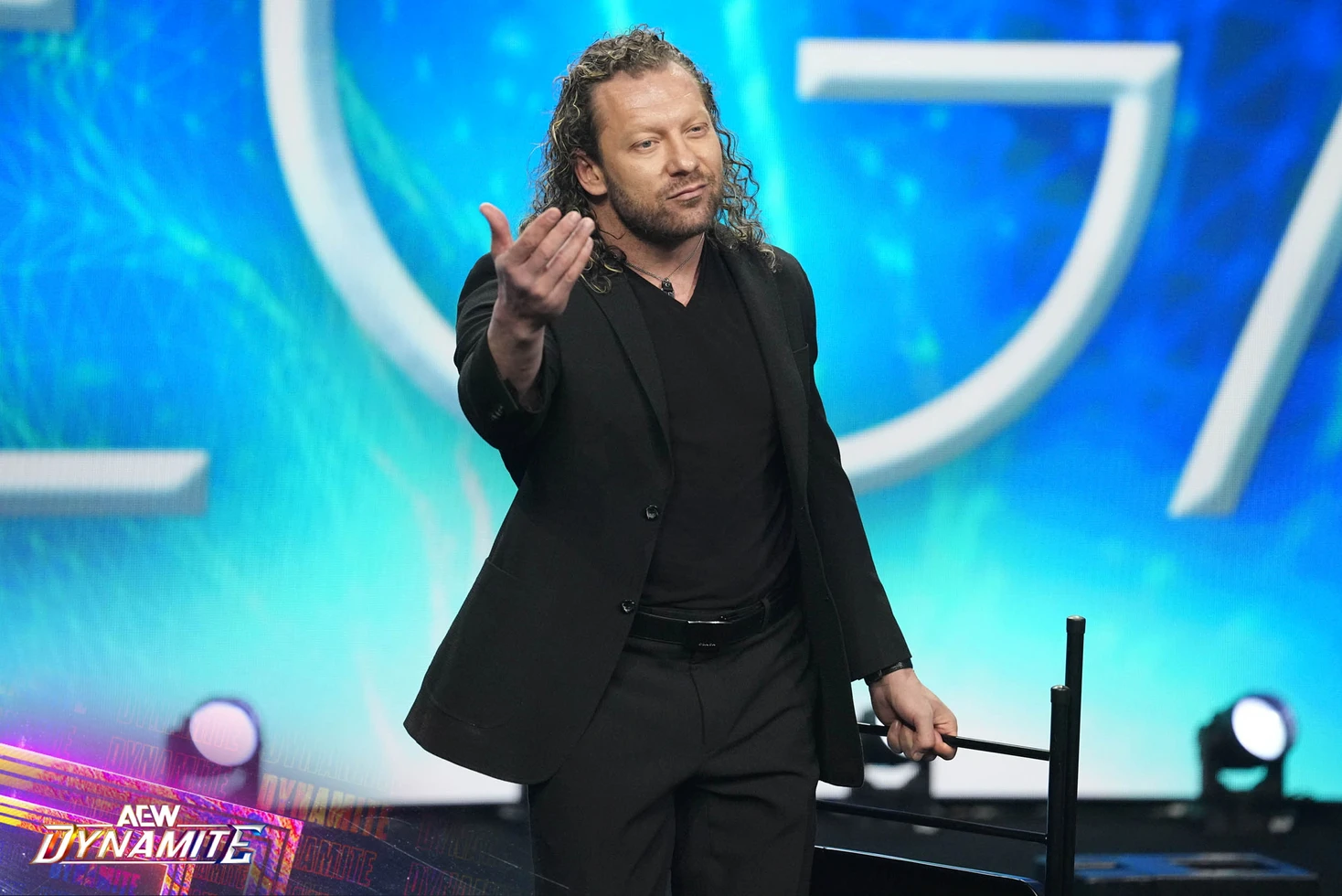
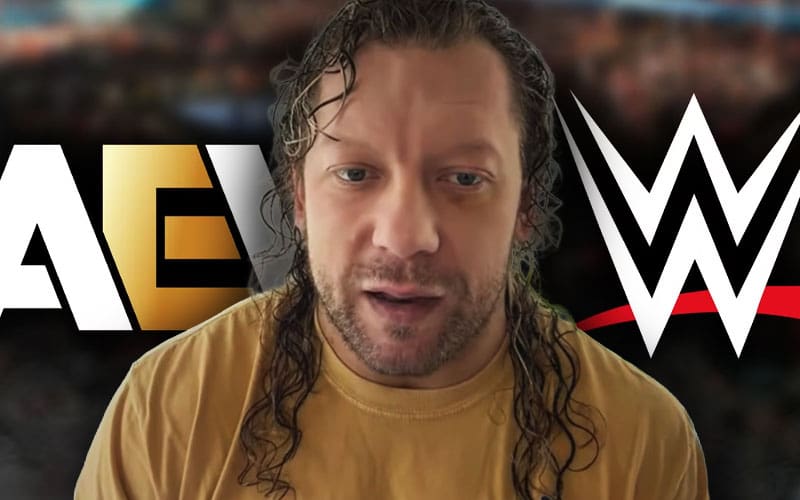
As we approach the mid-point of 2026, the gap between the wrestling industry's two major promotions has solidified into a difference of identity. WWE remains focused on the polished, global-scale product, while AEW emphasizes a specific, often grittier in-ring philosophy. Kenny Omega recently noted that AEW has no desire to replicate the WWE model, which is a significant admission regarding their long-term sustainability.
This creates a fascinating friction for fans. While WWE leans into the spectacle expected at events like the upcoming WrestleMania, AEW is busy locking down talent they view as foundational to their brand, such as the recent decision to give Thekla a substantial raise to prevent outside poaching. This is not just a payroll decision; it is a defensive maneuver in a market where talent movement is increasingly fluid.
The talent carousel and its consequences
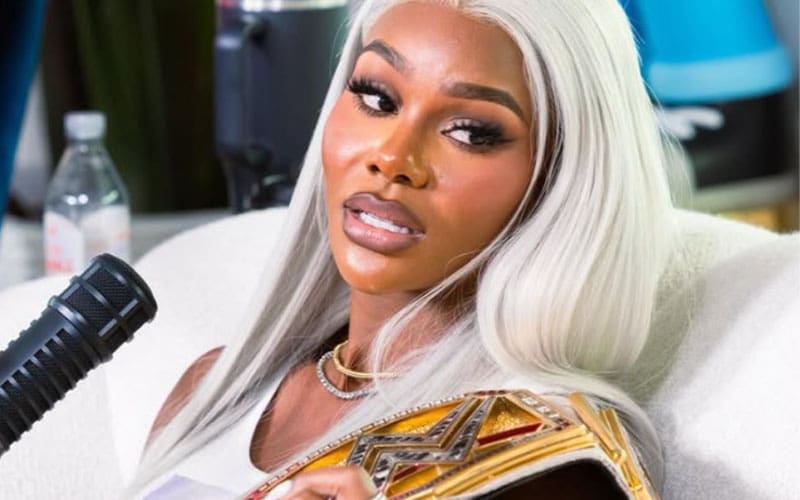
We see the impact of this movement in how individuals describe their career trajectories. Jade Cargill, for instance, described her time in AEW as essentially her NXT phase before moving to the bigger machine in Stamford. When a performer moves between systems, the stylistic friction is often apparent in their first few months of adjustment.
This crossover desire works both ways. Mercedes Martinez has expressed interest in stepping into the ring with Natalya Neidhart this year. While inter-promotional matches remain a pipe dream, the fact that veterans in one locker room are casting eyes at the other speaks volumes about the lack of separation between the talent bases.
The risks of the defensive play
However, paying current roster members to stay is a high-cost strategy that can backfire. By locking in Thekla early, AEW prioritizes roster stability over the potential to cycle in fresh blood. This is a conservative booking strategy that leans heavily on established favorites.
If the roster becomes too static, the product suffers. We have seen periods where AEW matches felt repetitive because the same core group filled every main event slot, leading to a dip in viewer engagement. This is the primary flaw in the 'lock them in' approach; it signals safety to the shareholders but can look like creative stagnancy to the audience.
My prediction for the coming months is that we will see a further thinning of the mid-card as both companies prioritize high-tier retention. WWE will continue to hoard television-ready talent, while AEW's roster will begin to look like a collection of mercenaries who opted for security over the corporate ladder. The 50/50 split in market interest between these two giants is nearing an end as one side focuses on scale and the other on niche preservation. Watch for the mid-card churn this summer; it will be the real barometer of who is winning the fiscal war.