Five years later and the sting of Sting in AEW still lingers
I dove into the latest PWTorch Dailycast drop this week, which functions like one of those archeology digs where you find a rusted soda can that feels like a buried king’s treasure. Hearing Greg Parks and Kelly Wells break down the WrestleMania 37 build from 2021 reminded me that wrestling memories are remarkably short. We spend so much energy screaming at our screens during tonight's main event that we forget exactly how weird the industry felt just a half-decade ago.
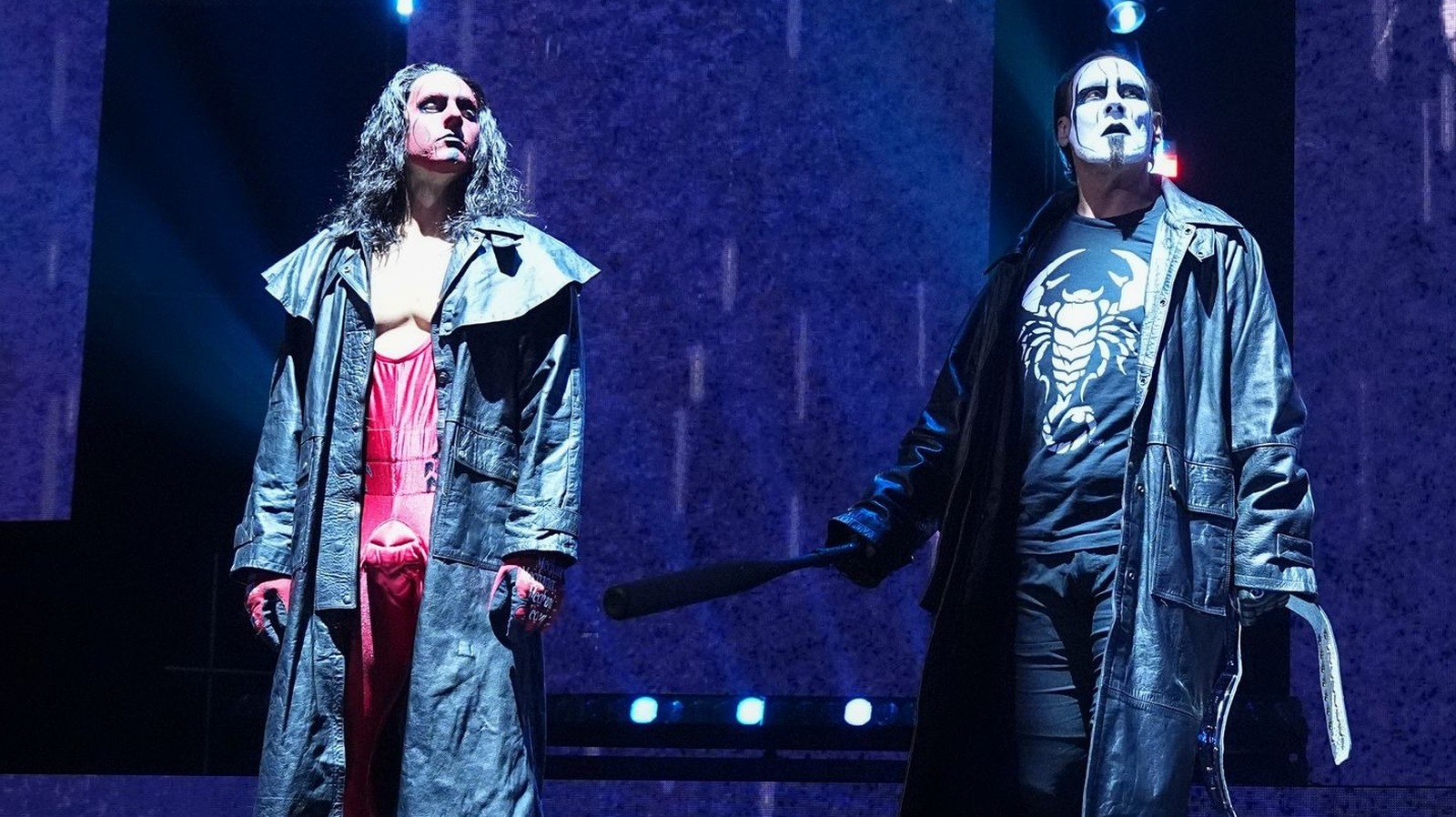
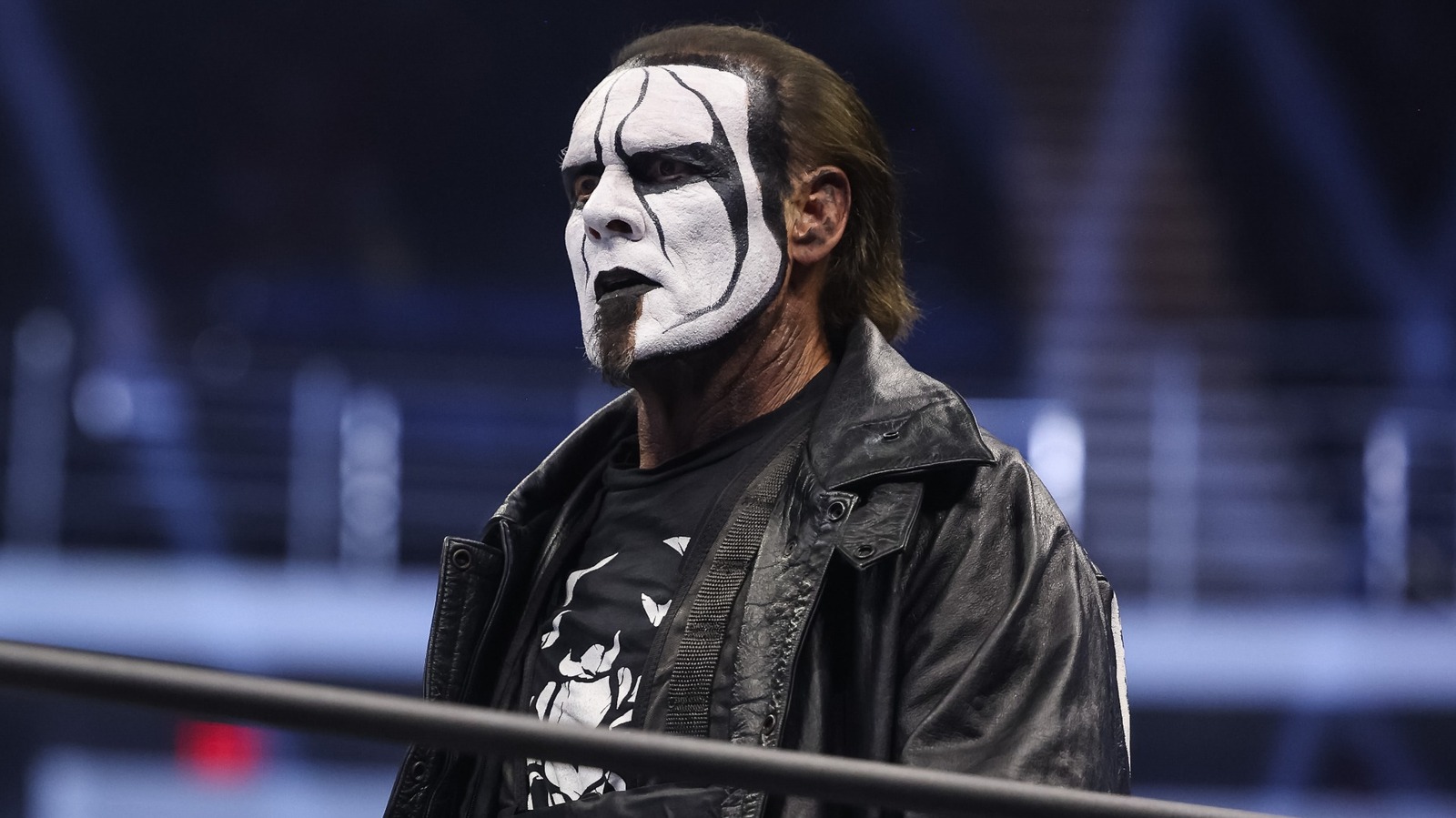
The audio archive highlights the moment Sting made his return to the ring for AEW, and man, does it hit different now. At the time, cynical marks were convinced it was a vanity project or a retirement lap. We were wrong. Seeing him go from his WCW peak to the WWE disaster in 2015 made his transition into a cinematic stuntman and mentor role at AEW one of the most unexpected redeployments of talent in modern history.
The WrestleMania 37 crawl was a slog for everyone
Listening back to the analysis of the WrestleMania 37 lead-up is like watching old game tape of a team that had no idea how to run a power-i offense. We were clawing our way out of the pandemic era, and the booking felt like it was written in invisible ink during a blackout. Parks and Wells dissecting that build captures the specific exhaustion of trying to manufacture hype when fans were still being piped in through screens and cardboard cutouts.
It is wild to think how far the product has evolved since then. We went from wondering if Roman Reigns could actually hold the company together after his hiatus to the current era where he is etched into stone as a generational staple. The 2021 build lacked the stakes we see now. WrestleMania 41, which sits just 15 days away, has a different kind of gravitational pull entirely.
Mid-tier indie wrestling is the true heartbeat
The podcast detour into County Fair Wrestling is the most honest part of the session. It serves as a necessary reminder that while we obsess over billion-dollar television contracts and the 114 minute runtime of this specific audio file, the real industry is often built on folding chairs and high school gym mats. There is a gritty charm to those events that the bright lights of a stadium show can never replicate.
If you think the big-league booking is where the soul of the sport resides, you need to recalibrate your internal compass. Some of the most compelling storytelling happened during the pandemic indie boom, unburdened by corporate synergy directives or massive marketing spends. Listening to these old analysis segments, I realized that the best wrestling often comes from the friction of limited resources meeting unlimited ego.
Where did the critique go wrong?
Not every retrospective segment on this podcast aged well. The hosts were understandably lost in the weeds of uncertainty back in 2021, and some of their skepticism about AEW’s long-term viability sounds hilariously misplaced today. It is a classic case of experts trying to predict a trend while they are literally standing inside the hurricane.
We have learned that if you give a talent like Sting a stage and stop trying to make him wrestle like he is 25 years old, the crowd will follow him anywhere. The 2021 skepticism was a common virus among the talking heads of that era. I look back on those takes like a fan looking at a bad trade deadline deal—you can see why they made the move, but you know better now.
The future looks better than the history books
With WrestleMania 41 around the corner, we are seeing a level of polish that the 2021 product didn’t have a prayer of achieving. The current booking isn’t perfect, but it is certainly not the aimless wander through the dark that characterized that specific era of the build. We have moved from hallucinating what a show could be to actually witnessing massive, high-production spectacles that define a quarter, let alone a week.
If you haven't checked out the PWTorch archives recently, it is worth the click. Not because the opinions are all gospel, but because they provide a mirror for how much we have matured as a community of viewers. We aren't as easily dazzled by legacy names anymore, but we also have a deeper respect for when a legend shows up to actually deliver, rather than just cashing a check and taking a pedestrian bump. It’s a 114 minute trip through our own past, for better or worse.