The long drift into radio silence
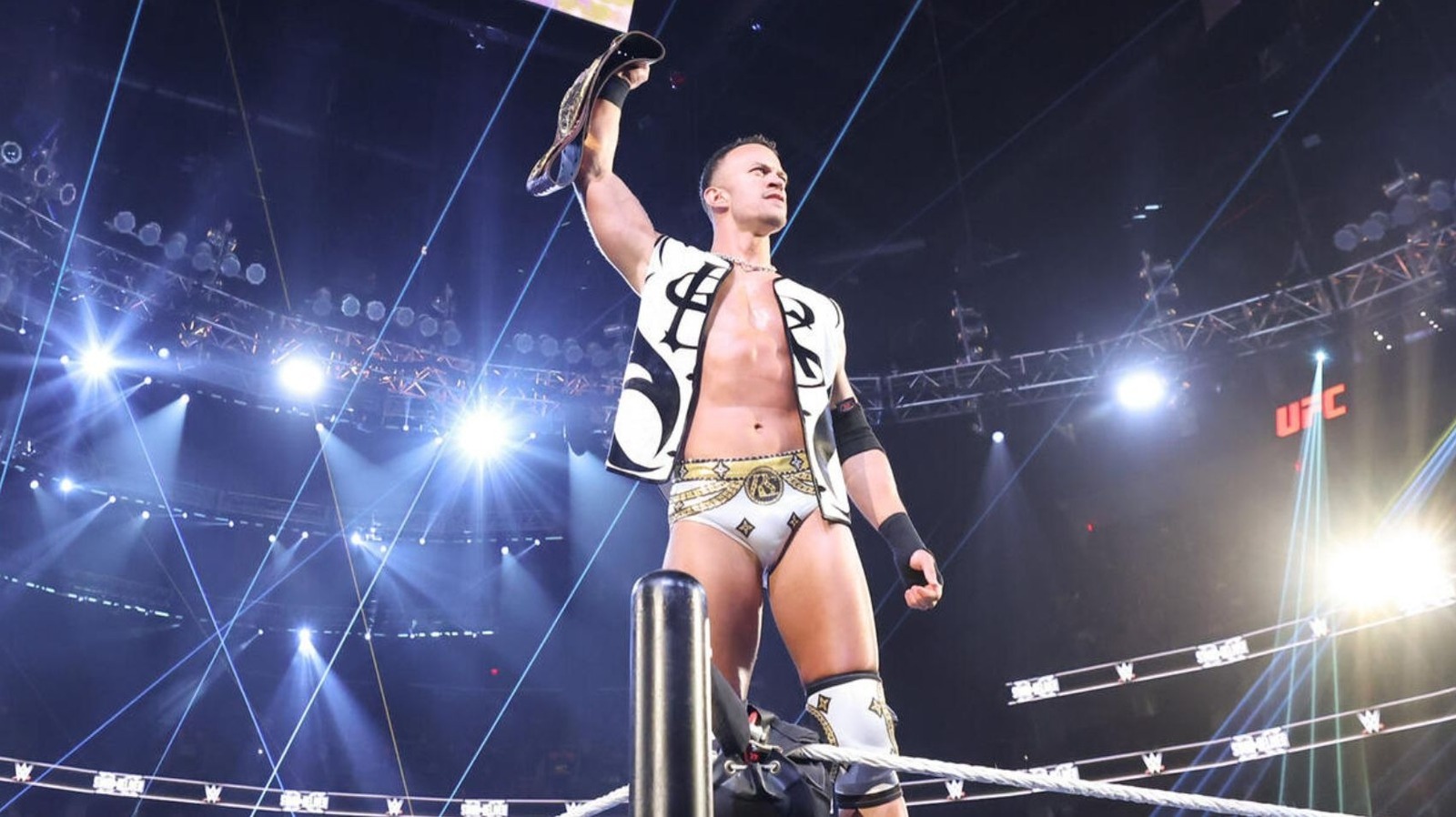
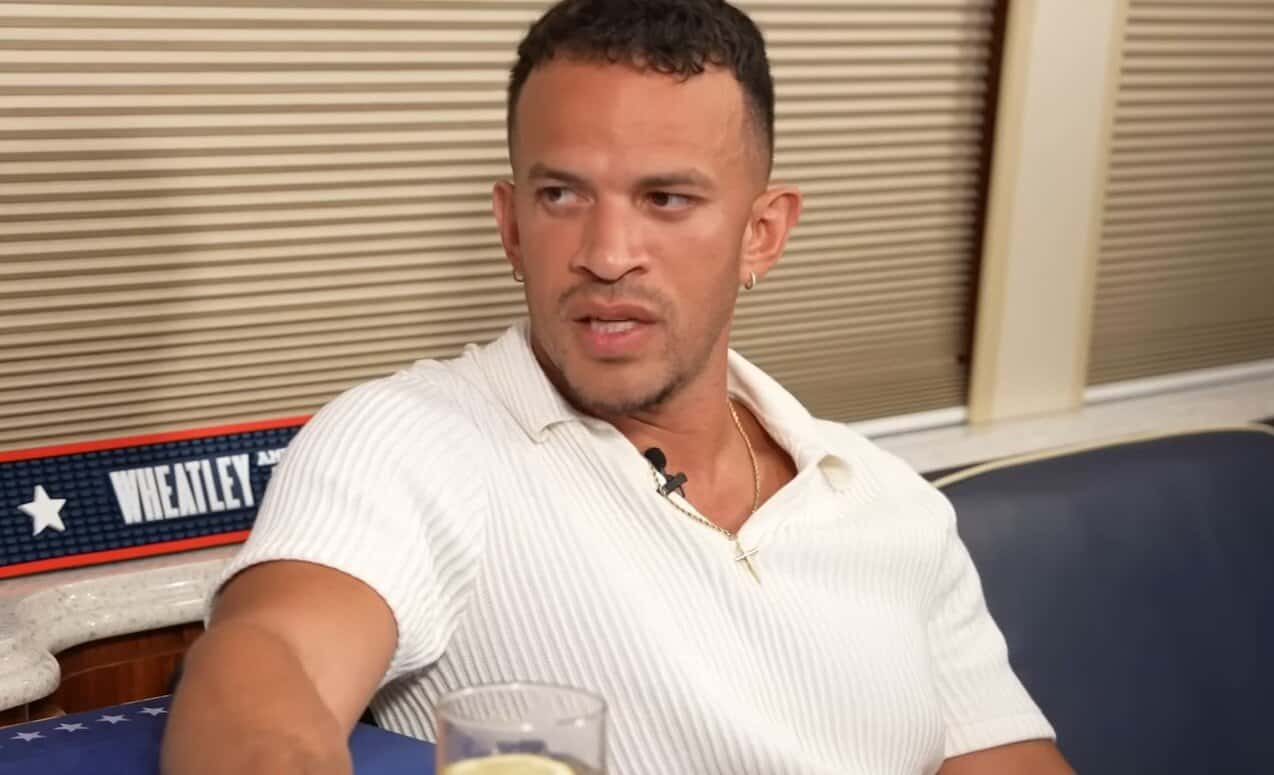
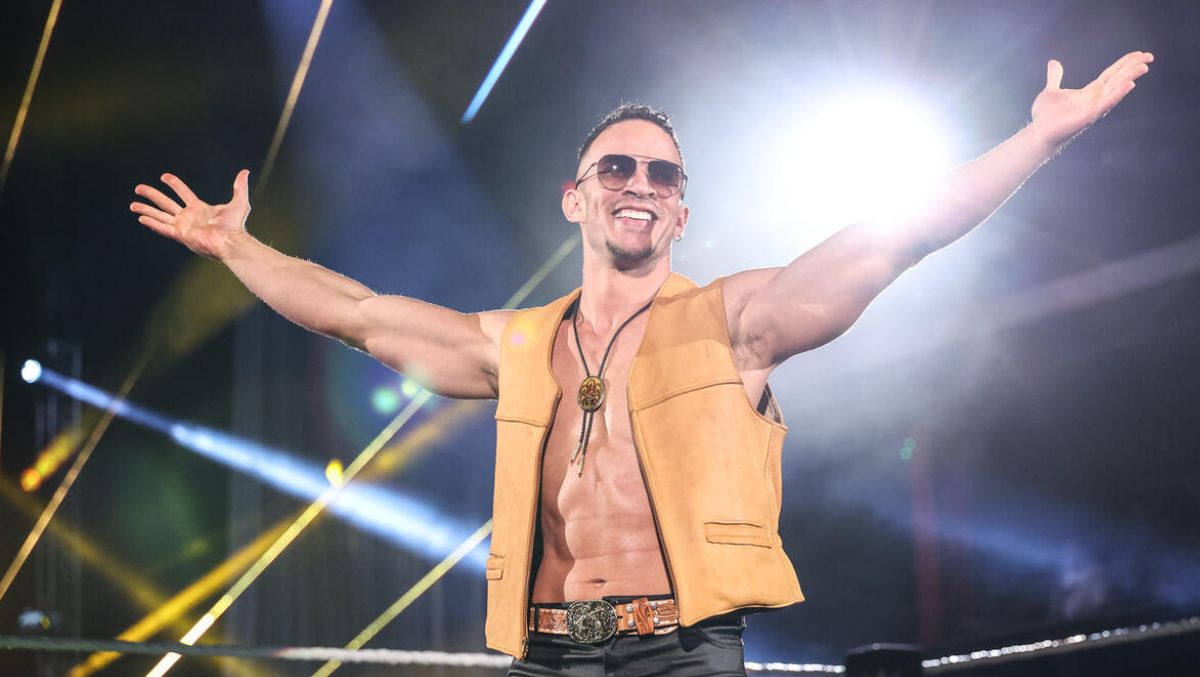
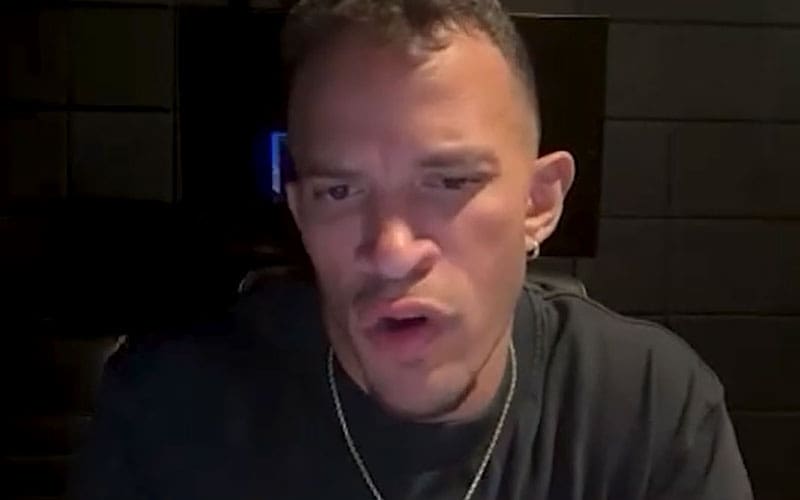
Ricky Saints spent his final months in AEW existing in a vacuum. After being a prominent feature, the talent simply vanished from television screens, leaving fans to speculate about injury or creative friction. He broke that silence this week, confirming the frustration of being kept on the sidelines while his contract wound down.
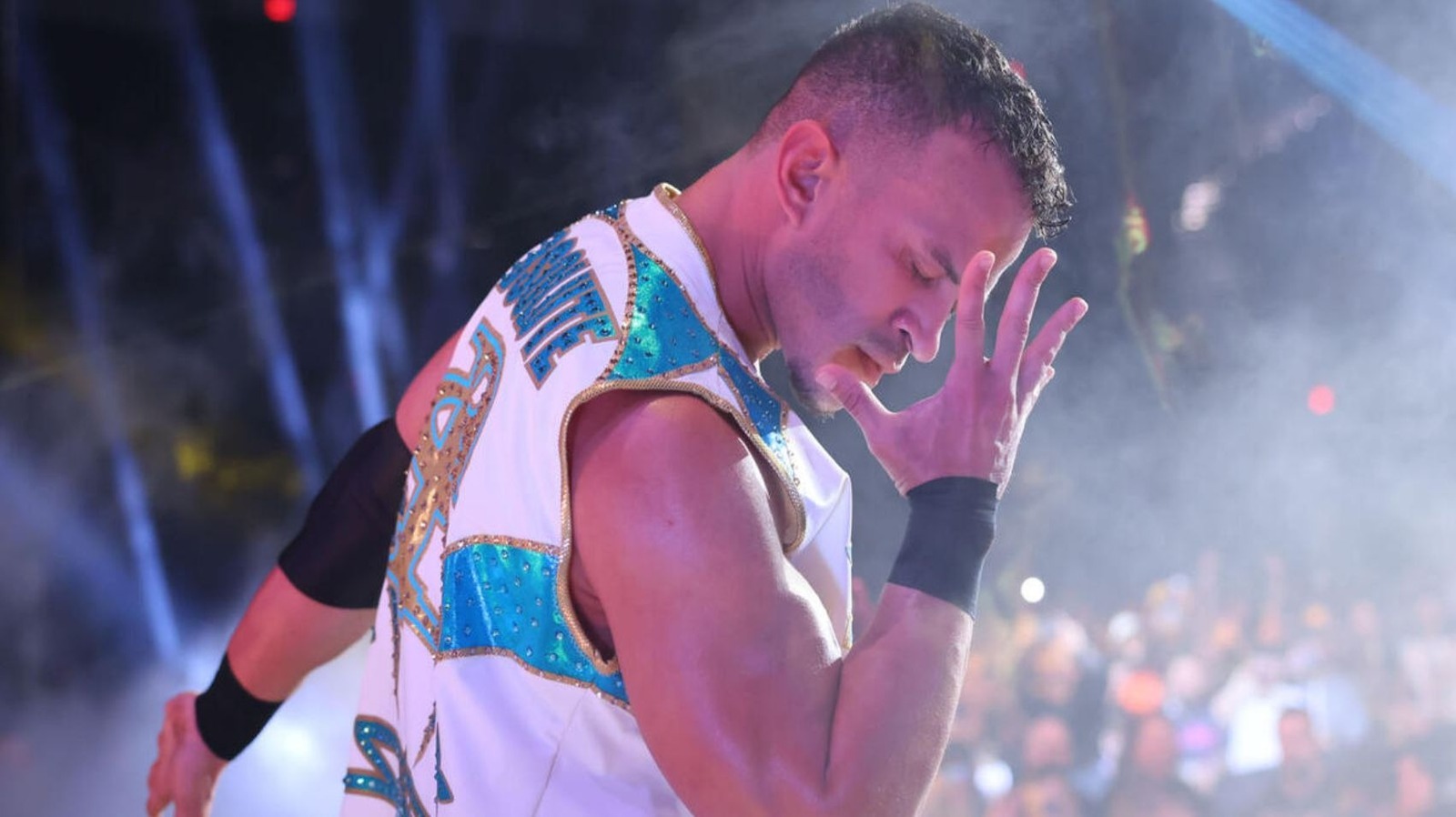
The move to WWE is now the center of gravity for his career. Saints described the period of inactivity as a strategic disconnect between what he offered in the ring and what the promotion wanted to highlight. It is an all-too-common narrative for performers caught in the middle of a bloated roster where airtime is treated like a finite, heavily guarded commodity.
Missing time and missed opportunities
Saints did not sugarcoat the reality of sitting at home while colleagues competed. The lack of communication from leadership created a void, forcing the talent to look elsewhere for relevancy. You can hear the resentment in how he frames the end of his tenure, clearly viewing the shelf-life applied to his character as an error in judgment by Tony Khan’s team.
Being kept off television for that long isn't just a creative choice; it's a message. When the creative team stops writing for you, they are essentially telling you that your usefulness has expired despite what your production value says.
The sentiment highlights the rotating door mentality currently defining the AEW locker room. When a talent of his caliber is iced, it signals a deeper issue with how mid-card momentum is managed. If you are not in the main event orbit, you are essentially one phone call away from catering.
The shadows of the industry
While Saints looks toward a future in Stamford, the conversation around AEW management has shifted toward the polar opposite: Vince Russo. The veteran booker has been vocal about his desire to sit down with Tony Khan, not to offer praise, but to dissect the current booking direction. Russo has explicitly stated he has no interest in leaving JCW for an AEW role, choosing instead to act as a vocal critic from the outside.
Russo’s public posturing reads like an attempt to remain culturally relevant by picking fights with the biggest promotion in the game. He maintains that his critique of Khan is born from a desire for tighter narrative structures, yet he remains deeply embedded in his current project. It seems unlikely that Khan would ever entertain a meeting with a figure as polarizing as Russo, especially given the current state of AEW roster management woes.
Strategic risks at WrestleMania
We are just 15 days out from WrestleMania 41 Night 1. The timing of Saints coming forward with his grievances is deliberate. Putting his story in the public record now forces him into the conversation during the biggest week of the year for professional wrestling. If WWE intends to debut him as a surprise or a high-profile signing, the narrative of him being "held back" at his previous job serves to build immediate sympathy.
However, there is a risk in this strategy. Fans have become cynical regarding "creative differences" stories. If Saints arrives in a new promotion and doesn't set the world on fire immediately, the grace period he is currently enjoying will vanish. The WWE backstage landscape is ruthless; being "the guy they misused" is only a selling point for about 30 days.
The tension between established veterans and the evolving booking style of modern promotions remains high. As we approach mid-April events, the industry feels like it is waiting for a seismic shift. Whether that shift comes from a blockbuster debut or a management shakeup remains the question on everyone's mind.
Ultimately, Saints is betting on himself. He is leaving a situation where he felt stifled to go to a company that thrives on taking established outside talent and refining them into mass-market earners. If the transition works, he looks like a genius. If it fails, he will have burned his bridges across the industry while alienating a fanbase that once cheered for him as an underdog.
Read Next