The Unpredictable Variable
You can script the finish, but you cannot script a torn tendon. Professional wrestling exists in a brutal space between athletic competition and theatrical performance. The outcomes are predetermined, but the physical toll is agonizingly real.
When a wrestler like Seth Rollins plants his foot wrong on the canvas during a simple springboard moonsault, the script goes out the window instantly. The referee throws up the dreaded "X" sign with their arms. The medical team rushes the ring.
A torn ligament does not care about your creative plans for the upcoming pay-per-view, exposing the fragility of a booking system that rarely builds contingency plans.
This reality is colliding hard with the financial side of the industry. The explosion of prop bets and futures in sports entertainment has turned injury updates from backstage gossip into vital financial data.
Sportsbooks are getting squeezed. The margins are shrinking, and the response is a tightening of the odds across the board. The collision of human fragility and betting markets is changing how we consume the sport.
The Knee: Structural Collapse
The anterior cruciate ligament is the primary stabilizer of the knee. In modern wrestling, the ACL is under constant assault. Every springboard cutter or top-rope plancha puts immense shear force on this tiny band of tissue.
When the foot stays planted and the knee rotates, the ACL snaps. The pop is often audible even over the roar of the crowd. The knee immediately loses its structural integrity, buckling under the athlete's weight.
Reconstruction is the only option. Surgeons typically use a graft from the patient's own patellar tendon or hamstring to build a new ligament. They drill tunnels into the femur and tibia to anchor the new tissue.
The timeline is unforgiving. It requires a minimum of nine months of grueling rehabilitation. The athlete has to rebuild the atrophied muscle and retrain the nervous system to trust the joint again.
For the betting markets, an ACL tear is a disaster. It instantly voids months of narrative build. When Cora Jade tore her ACL at a live event, it derailed an entire division's television cycle and exposed the creative team's complete lack of backup storytelling.
The Triceps: The Bumping Muscle
Taking a flat back bump is the fundamental skill of professional wrestling. To protect the head and neck, wrestlers instinctively extend their arms to slap the mat and disperse the impact.
That repetitive action puts severe stress on the triceps brachii. The muscle is responsible for extending the elbow joint. When CM Punk tore his right triceps taking a futureshock DDT from Drew McIntyre at the Royal Rumble, the pop was visible on camera.
The arm immediately loses extension strength as the muscle bellies up toward the shoulder. Surgery involves making an incision, drilling small holes into the bone, and suturing the tendon back into its proper place.
The recovery timeline is typically four to six months. The first several weeks are spent immobilized in a brace, waiting for the soft tissue to fuse with the bone before any active range of motion can begin.
Bookmakers hate the triceps tear. It is long enough to ruin a major storyline, but short enough that the wrestler might return for a surprise rumble entry. The books frequently get burned offering odds on these surprise returns, forcing them to slash payouts.
The AC Joint: The Shoulder Drop
The acromioclavicular joint connects the collarbone to the shoulder blade. It is notoriously vulnerable in a sport where athletes are routinely dropped directly onto the points of their shoulders.
A severe separation means the ligaments holding the joint together are completely torn. The collarbone essentially floats upward, creating a visible bump on the top of the shoulder.
The pain is blinding. Lifting a 250-pound opponent for a gutwrench suplex becomes physically impossible. Conservative treatment involves rest, ice, and intense physical therapy.
That process takes anywhere from six to twelve weeks. If surgery is required to reconstruct the ligaments with pins or screws, the timeline easily doubles.
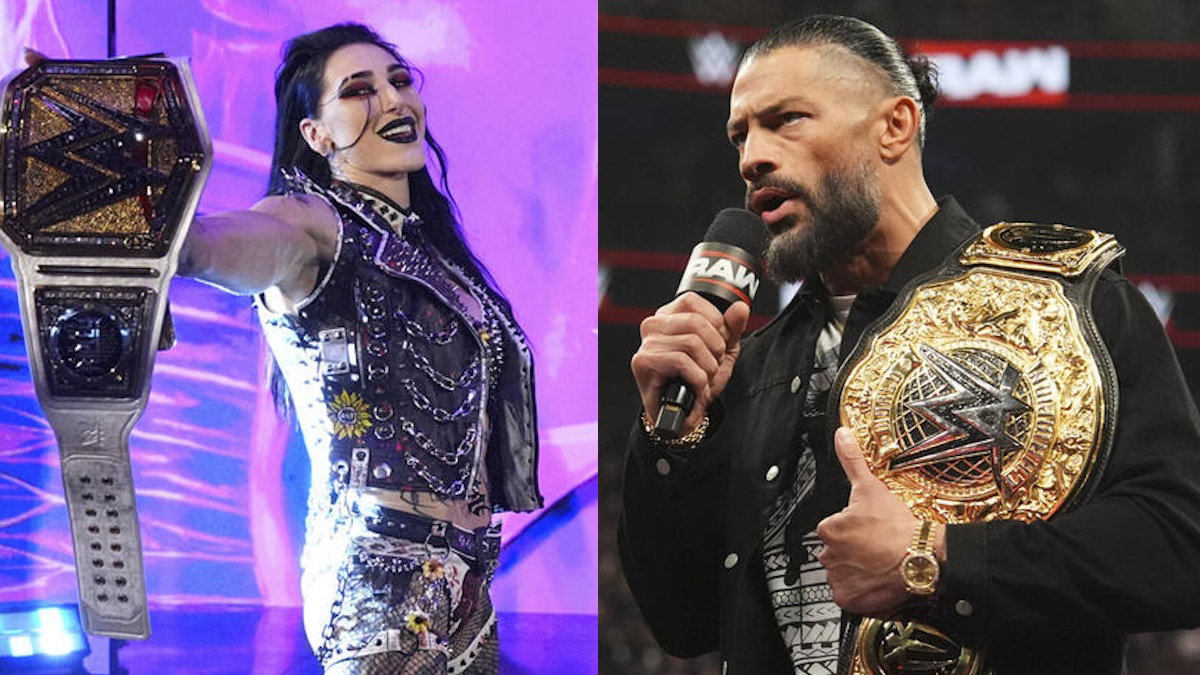
When Rhea Ripley vacated her championship due to a severe AC joint sprain following a backstage brawl with Liv Morgan, it forced an immediate rewrite of the summer schedule. Bettors who placed early money on a scheduled title defense were left holding dead tickets while the sportsbooks frantically adjusted the remaining odds.
Less Generous, More Competitive
The betting environment is shifting rapidly. A recent report on the future of online betting from South African markets indicates a global trend toward platforms becoming far less generous and increasingly competitive.
Promotions and padded odds are drying up. The books are getting sharper. They have dedicated risk management teams monitoring wrestling news sites for the slightest hint of a medical setback.
When sportsbooks offer lines on predetermined outcomes, they rely heavily on insider information and established booking patterns. An unexpected injury destroys those predictive models instantly.
If a champion goes down during a house show, the odds for the next premium live event are pulled off the board within minutes. The books refuse to carry the risk of uncertainty.
The Neck: The Ultimate Wildcard
Nothing terrifies a bookmaker or a creative writer quite like a neck injury. Cervical spine trauma is the ultimate wildcard in professional wrestling. A bad landing on a German suplex or a botched piledriver can alter a life forever.
The impact often leads to a herniated disc, where the inner gel of the spinal disc pushes out and compresses the spinal cord. The symptoms range from numbness in the fingers to severe muscle weakness in the arms.
An anterior cervical discectomy and fusion is frequently the only surgical fix. The surgeon approaches the spine through the front of the neck, removes the damaged disc, and fuses the adjacent vertebrae together using bone grafts and titanium plates.
Big E fractured his C1 and C6 vertebrae taking an overhead belly-to-belly suplex on the floor from Ridge Holland. The recovery timeline is highly variable for fractures and fusions alike.
For the betting markets, a neck injury means taking the athlete completely off the board. You cannot offer futures odds on a return when medical science cannot guarantee the athlete will ever take another bump.
The Squeeze on the Fans
The combination of these brutal physical realities and a tighter betting market creates a massive squeeze on the fans. The financial value is disappearing rapidly.
You are no longer just betting on the creative direction of a wrestling promotion. You are literally betting on the structural integrity of a performer's knee ligaments and cervical spine.
With sportsbooks cutting their margins, the risk heavily outweighs the reward. Odds on a surprise return from injury used to be highly lucrative, but now they are stripped of value.
The books are not taking chances anymore. They know that a single botched move can cost them a fortune if they leave an exposed line on the board.
The athletes are pushing the human body to its absolute mechanical limits. The injuries will continue to happen. Tendons will snap, discs will bulge, and the sportsbooks will keep tightening their grip on the market.