The First Post-WWE Move
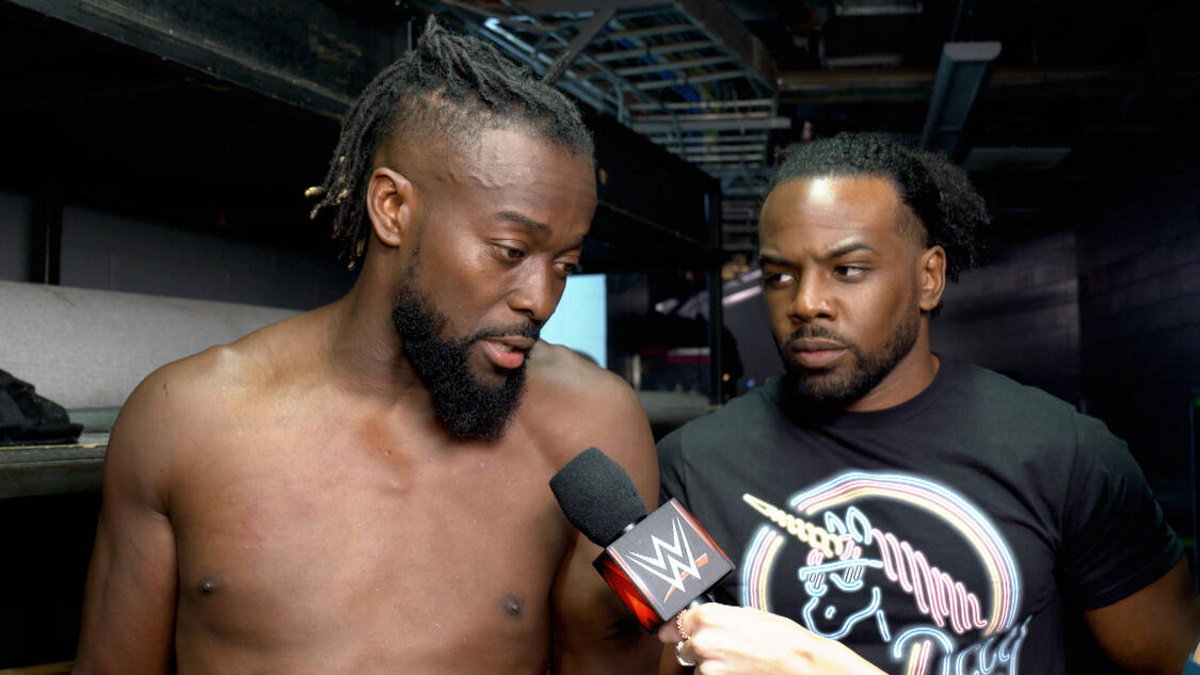
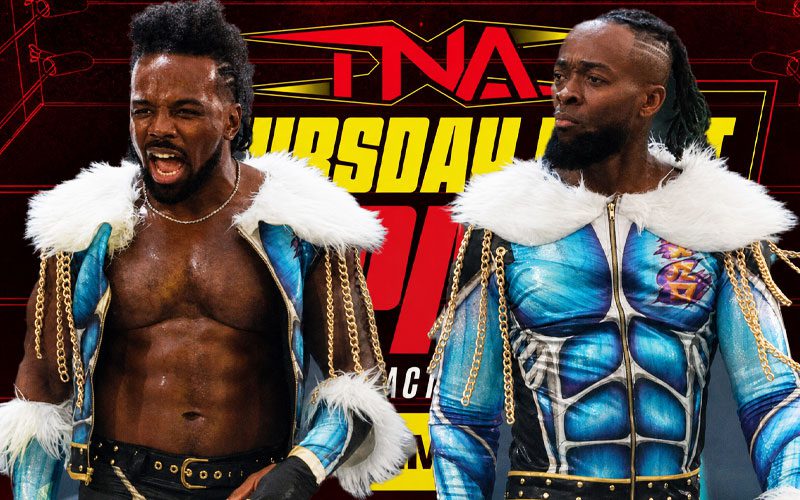
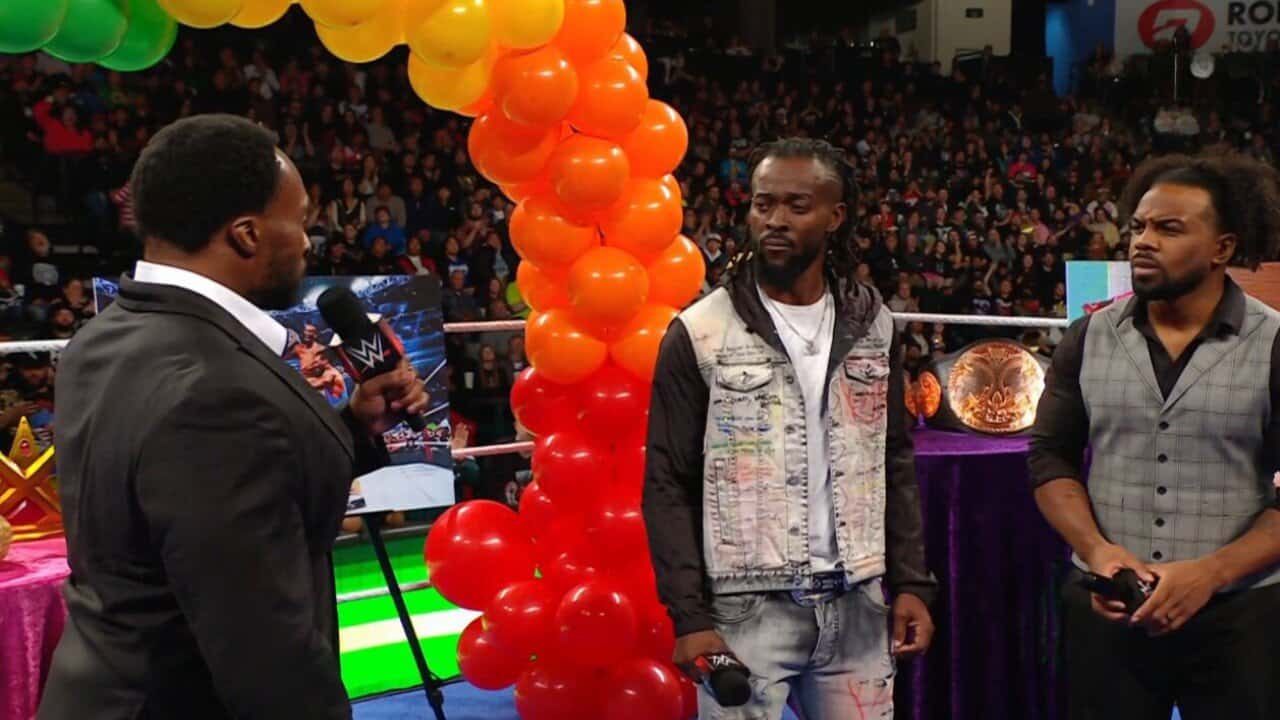
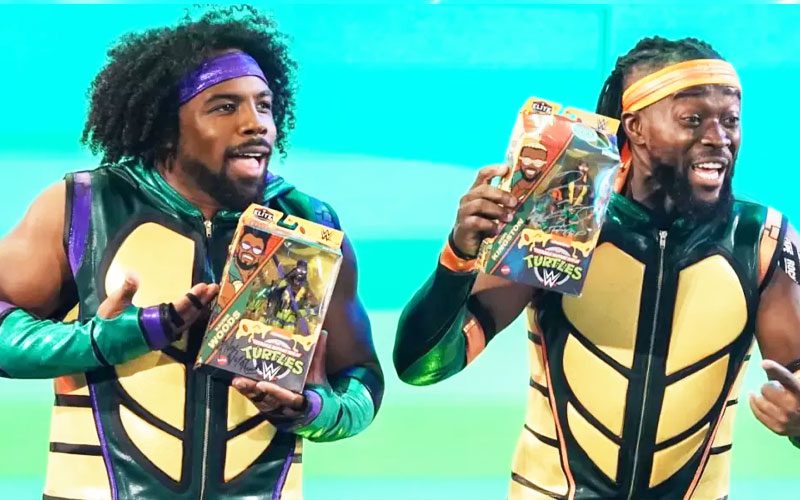
The news dropped quietly for two men who spent a decade screaming through our televisions. Kofi Kingston and Xavier Woods have officially booked their first post-WWE appearance. Following their shocking release, the duo is heading to GalaxyCon Oklahoma City.
WrestleTalk confirmed the convention booking this week. It marks the first confirmed public date for the former tag team champions since they were let go.
This was not a quiet, isolated firing. The report noted that Kingston and Woods were part of a massive cut of 30 known recent WWE departures. That is a staggering amount of talent hitting the free agent market at the exact same time.
But from a medical and physical recovery standpoint, booking a convention instead of a brutal independent wrestling match is the smartest thing Kingston and Woods could possibly do. When you analyze the physical toll they have endured, jumping straight into another wrestling ring right now would be a massive error in judgment.
The Bump Card is Full
Wrestling fans rarely consider the sheer physical trauma accumulated over a long-term WWE run. We see the merchandise sales and the bright colors on television. We ignore the miles on the tires.
In professional wrestling, every single bump is a minor car crash. The human spine is simply not designed to absorb the repeated impact of a wooden ring reinforced with steel crossbeams.
Kofi Kingston debuted on WWE television back in 2008. That is nearly two decades of flat back bumps, diving over the top rope to the concrete floor, and working an unforgiving weekend house show loop. You do not survive that schedule without building up a massive list of chronic physical issues.
Think about the sheer volume of matches. Kingston has wrestled well over two thousand matches for WWE. Every single one of those matches involves dozens of impacts to the neck, lower back, and knees. He has spent years executing the Trouble in Paradise and taking high-angle suplexes from much larger men.
Cartilage wears down. Ligaments stretch and fray. The recovery window shrinks dramatically as you get older.
Xavier Woods has his own severe medical history to consider. He suffered a devastating right Achilles tear during an overseas tour that cost him nearly a year of his career. Tendon ruptures of that magnitude permanently alter how an athlete moves in the ring.
The rehabilitation process for an Achilles is grueling, requiring months of isolated muscle work just to walk normally again. Returning to a fast-paced wrestling style after that injury requires constant daily maintenance. The calf muscle on the repaired side rarely regains its original explosive power, forcing the athlete to subtly alter their biomechanics.
When you spend ten years working as a high-energy tag team, your body pays the bill. The New Day style relied on speed, agility, and constant motion. Doing that four nights a week in different time zones breaks people down. The fact that they are walking away relatively whole is a minor miracle of modern sports medicine.
A Necessary Physical Off-Season
Professional wrestlers do not get an off-season. In the NFL or NBA, athletes get months to let their bodies heal, undergo minor arthroscopic surgeries, and rest their central nervous systems.
As highlighted in a recent historical retrospective, professional wrestling has a brutal track record when it comes to managing talent burnout. The only time a WWE wrestler stops taking bumps is when they suffer a catastrophic injury or when they get fired.
For a medical and fitness reporter analyzing this situation, the release is a physical blessing disguised as a career setback. This forced time off is the first true rest period Kingston and Woods have had in years. The physical benefits of simply doing nothing cannot be overstated.
There are no red-eye flights to make on a Tuesday morning. There are no hard rings to hit. There are no rental cars to drive 300 miles through the snow at two in the morning.
Travel alone destroys a wrestler's posture and circulation. Sitting in cramped airplane seats after taking severe blunt force trauma to the lower back leads directly to chronic herniated discs.
Sitting at a table at GalaxyCon Oklahoma City allows them to monetize their massive fan base without risking further physical damage. They can rest their joints, rehab nagging shoulder and back impingements, and actually sleep in their own beds.
They are getting paid to sign action figures and smile. That is a massive win for their long-term health. Historically, performers who take three to six months off to purely recover return to the ring looking five years younger.
The Business of the 30-Talent Exodus
We also have to look at the business reality of this massive release wave. When WWE dumps 30 talents onto the street at once, it creates total chaos on the independent wrestling scene.
Independent promoters only have so much money to spend. Suddenly, there are three dozen television names begging for bookings. It completely saturates the market and drives down the asking price for everyone.
Promoters will inevitably try to lowball veteran talent because the supply of available wrestlers is overwhelmingly high right now.
By stepping out of the immediate scramble for in-ring bookings and pivoting directly to the convention circuit, New Day bypasses the chaos entirely. Conventions are high-margin, zero-impact revenue streams.
Fans pay directly for an autograph or a photo opportunity. The talent takes a massive cut of the cash directly home. It gives Kingston and Woods financial stability while they let their bodies heal.
Creative Failure and the Breaking Point
We cannot ignore the severe creative stagnation that preceded these releases. WWE completely failed the New Day over the last few years.
While they are surefire Hall of Famers, their recent run was incredibly difficult to watch. After Big E suffered his horrific, career-altering neck injury, the dynamic of the group fundamentally changed.
Instead of reinventing Kingston and Woods to reflect the gravity of losing their partner, WWE creative simply left them treading water. They were trapped in meaningless midcard feuds that went nowhere.
They were routinely used to put over younger, less over tag teams. Their television time felt hollow, functioning as a ghost ship sailing on the memories of their peak 2015 run.
WWE management clearly looked at the contracts of two veterans in their late 30s, looked at the lack of creative direction, and decided the financial return on investment was gone. It was a ruthless business decision.
But it was also a glaring failure of the creative team to write compelling television for one of the most successful acts in company history. They deserved a better ending than being quietly swept out the door in a mass layoff.
Looking Ahead to the Next Ring
The demand for an in-ring return will obviously be massive. Fans are already looking at the calendar.
With AEW Double or Nothing coming up on May 24, just 12 days away, the fantasy booking writes itself across every single message board right now. Competitors will undoubtedly be watching their availability.
But rushing into a high-stakes pay-per-view sprint right now would be a physical mistake. Kingston and Woods need to let their bodies reset. They need to let the lingering joint inflammation die down.
They need to train for a completely new style of wrestling outside the tightly controlled WWE bubble. That adjustment takes time, patience, and a healthy central nervous system.
Oklahoma City will get the first look at the post-WWE New Day. They will shake hands, take pictures, and tell stories to the fans who supported them for ten years.
The actual wrestling matches will come later, when their bodies are completely ready and the price is exactly right. For now, the smartest physical move they can make is exactly what they are doing.