The economics of the grind
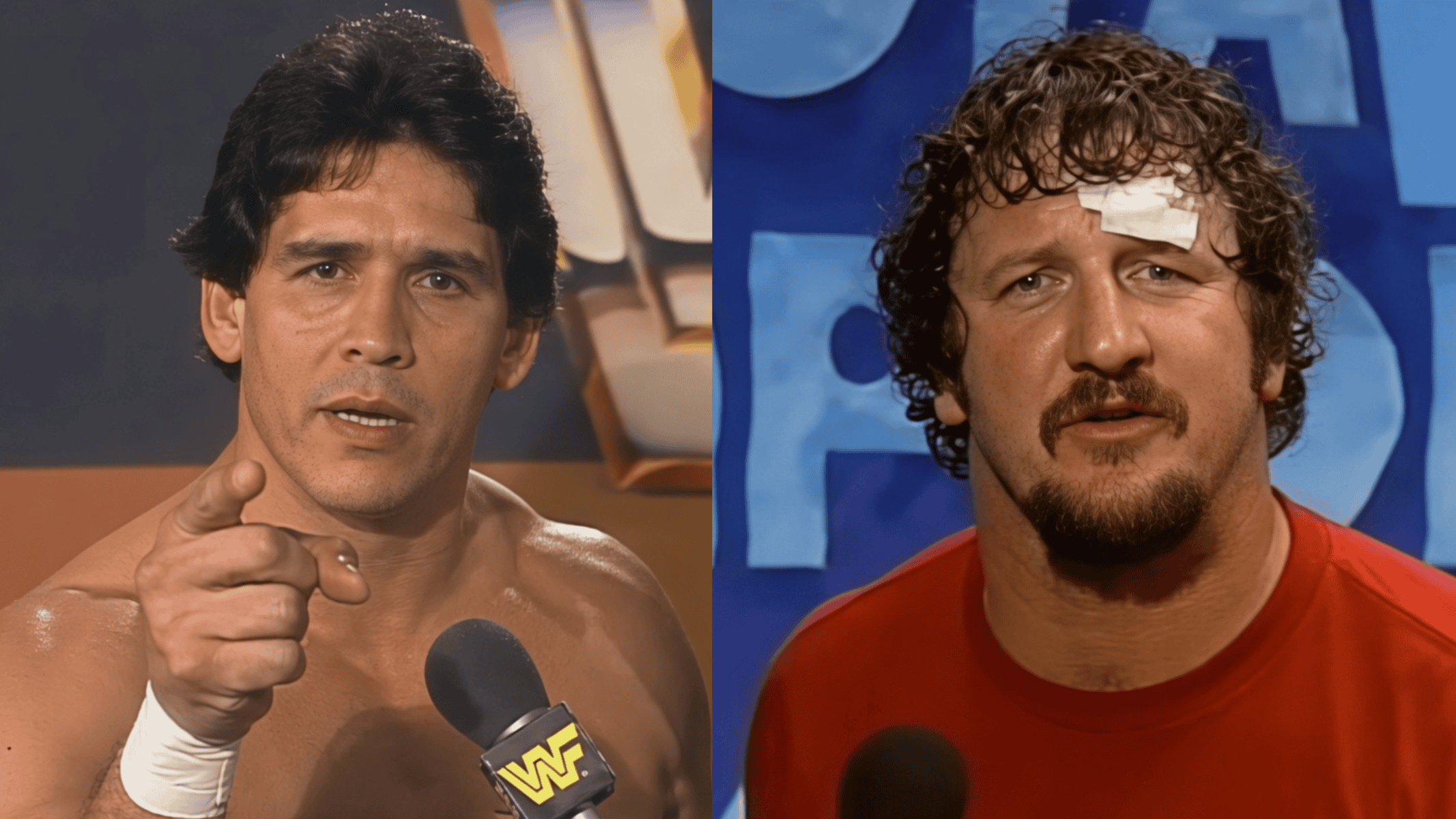
Modern professional wrestling provides fans with massive spectacles, but the daily reality for talent remains grueling. Recent insights into the career of Hall of Famer Tito Santana highlight a financial imbalance that persists in lower-tier independent promotions. Santana famously recounted driving 300 miles for a $50 payday, often spending more on fuel than he earned. Terry Funk proved to be the benefactor who corrected that trajectory, emphasizing how veteran locker room mentorship often addresses failures in basic business logistics.
Today, the landscape of medical reporting for wrestlers is more transparent, yet injury management remains a constant source of tension. Independent talents often lack the medical departments employed by global giants. When a worker is injured on a sparsely attended show, they do not have a dedicated staff to monitor their recovery. This creates a cycle where performers rush back to the ring to secure future bookings, often exacerbating chronic conditions rather than resolving them.
The impact of injury spikes
When a mid-card performer goes down, the booking plan for the next month dissolves instantly. Promoters often face a choice: rewrite an entire arc or push through with an injured talent. Historical data suggests the latter is a dangerous mistake. In the 1990s, the lack of recovery protocols forced wrestlers into careers defined by long-term mobility issues. While athletic training science has advanced by leaps and bounds, the fiscal incentive to work through injury prevents many from taking necessary time off.
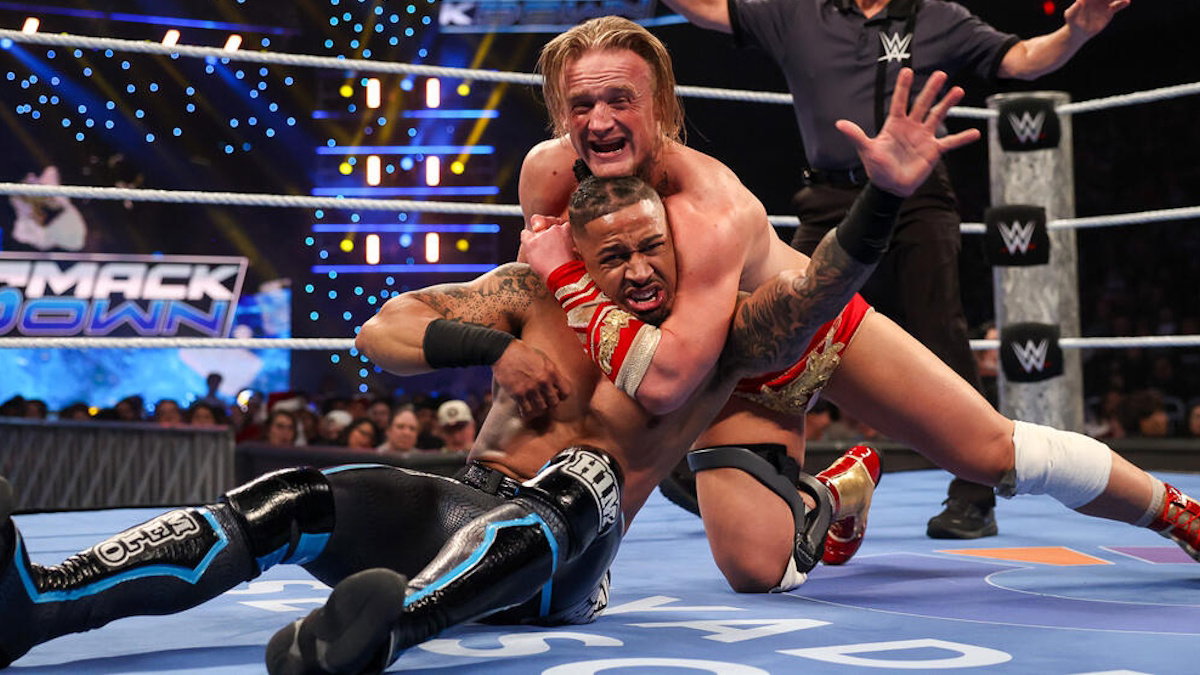
Recent patterns show that injuries spike in windows just before major premium live events. With WWE Backlash 2026 arriving in four days, backstage medical units are working double shifts. Talent hoping for a spot on the card often hides symptoms of lingering concussions or joint instability. If an injury is serious enough to keep a worker out of the ring for weeks, the promotion must pivot. These pivot points often result in lackluster matches that fail to capture audience interest.
Strategic implications of recovery management
Promotions that prioritize recovery timelines see fewer mid-show segments scrapped. A roster that stays healthy provides management with the ability to build long-term storylines. When a key figure drops out, the creative momentum usually stalls. Managers who treat wrestlers as expendable assets rather than investments eventually find themselves with a thin, unpolished card that fails to sell tickets.
Effective management requires vetting the medical standards of the promotions wrestlers visit. As noted in the historical breakdown of Tito Santana’s earlier hardships, the lack of organization in smaller circuits created genuine physical and financial peril. Talent today must be more selective. Entering a booking without a clear safety protocol is an invitation to short-term gain followed by long-term disability. Companies that fail to provide adequate insurance or medical oversight are ultimately damaging their own bottom line.
Assessing current risks
Industry veterans frequently warn that the current volume of content places an unsustainable load on the human body. Between weekly television and touring, the gap between performance dates has shrunk. Bodies need time to heal from the impacts of high-flying maneuvers such as the top-rope suicide dive or stiff strikes. When that time is not afforded, the quality of both the athlete and the product suffers.
Management must shift focus toward proactive health maintenance. Instead of waiting for a high-profile injury to force a change, companies should implement mandatory rest dates. This strategy benefits the product in the long run. By keeping primary performers on the roster, the volatility of the booking schedule decreases significantly. Fans want to see the best versions of these performers, not a group of compromised athletes masking injuries to maintain their standing.
Ultimately, the industry must decide if it values longevity or short-term booking convenience. History is filled with names who burned out under the pressure of constant travel and injury cycles. For the current crop of stars, the path forward must include a stronger emphasis on medical reality over the mythos of the indestructible performer. Accountability in this area is not just a health concern; it is a prerequisite for a sustainable business model.