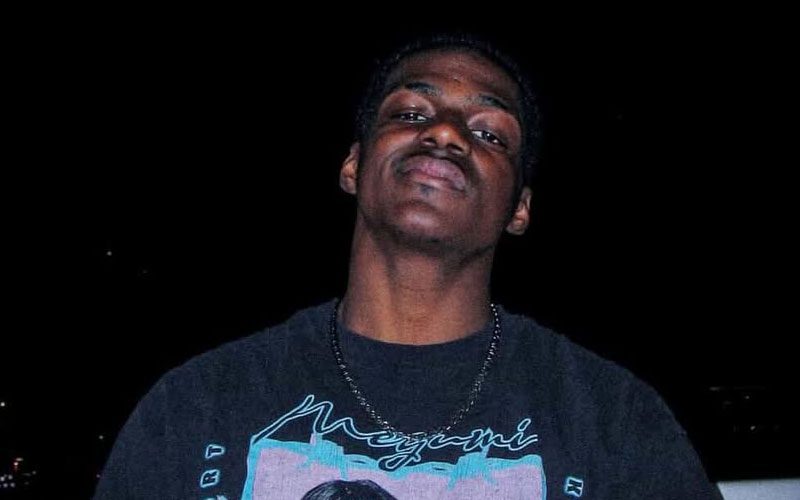
When the worst-case scenario unfolds in plain sight
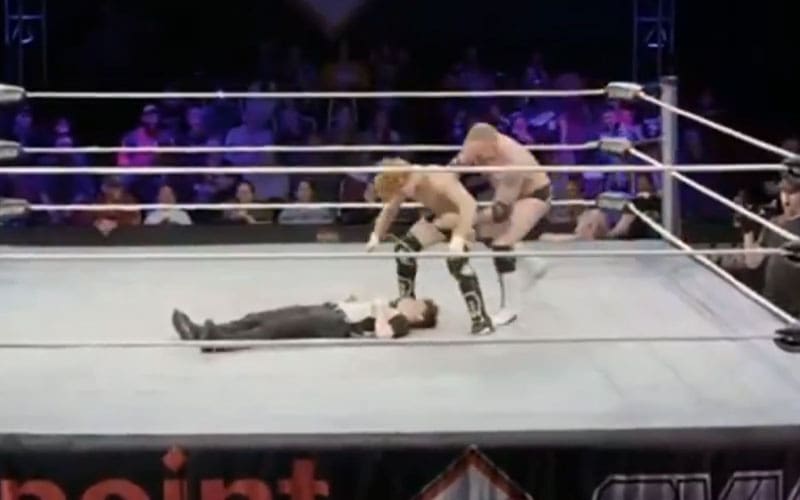
The thin line between performance and reality
Professional wrestling occupies a space where the audience is conditioned to suspend their disbelief. We watch performers hit the canvas with sickening thuds, knowing full well the impact is managed, calculated, and choreographed. This expectation creates a dangerous blind spot for those inside the ring.
During a recent Ohio Valley Wrestling event, referee Dallas Edwards collapsed, suffering a brain bleed. The immediate reaction from the athletes nearby was not one of alarm, but of confusion. As Ringside News reported, the wrestlers initially assumed Edwards was simply putting on a dramatic performance.
The danger of the oversell
In wrestling, the "oversell" is a staple. A referee might take a bump with exaggerated flair to heighten the tension of a match. When Edwards went down, the performers assumed he was playing to the crowd, perhaps adding a layer of physical comedy or intensity to the closing sequence.
This assumption is a symptom of a culture that prioritizes the show above all else. When every movement is part of a narrative, a genuine medical crisis can masquerade as a bit of theater. It took precious, agonizing seconds for the talent to realize the man on the mat was not working.
A breakdown in emergency protocols
The OVW medical response timeline has since come under intense scrutiny. While the promotion moved to address the situation, the initial hesitation from the participants highlights a massive gap in how independent promotions handle on-site trauma.
If trained professional wrestlers cannot distinguish between a work and a life-threatening injury, the current safety protocols are insufficient. Relying on the performers to act as the first responders in a medical emergency is a dereliction of duty. It places an unfair burden on athletes who are already dealing with the physical toll of their own matches.
The reality of the independent scene
There is a harsh truth to be reckoned with regarding the independent circuit. While major organizations have robust medical teams and strict concussion protocols, smaller promotions often operate on shoestring budgets. This incident serves as a grim reminder that when the lights go down, the risk remains identical regardless of the size of the crowd.
The fact that Edwards had to reach a state of total collapse before the gravity of the situation was recognized is a failure of communication. Referees are the glue that holds a match together, yet they are rarely afforded the same level of medical oversight as the wrestlers themselves. This needs to change immediately.
The recovery process for Edwards is ongoing, and the industry is collectively holding its breath. We are left with a sobering statistic: the time between the collapse and the arrival of professional medical intervention was 17 minutes. That is an eternity in a medical emergency.
Moving forward, the industry must prioritize transparency regarding medical staffing. If a promotion cannot guarantee a licensed medical professional is ringside and ready to intervene, they are failing their talent. It is time for these organizations to stop treating safety as an afterthought and start treating it as the foundation of the business.
Dark Side of the Ring: The Official Guide to Pro Wrestling's Greatest Hits
A deep dive into the wildest and most controversial stories in wrestling history
Frequently Asked Questions
What happened to referee Dallas Edwards at the OVW event?
Why did wrestlers assume the referee's collapse was part of the show?
How long did it take for professional medical help to arrive?
What are the risks of relying on wrestlers as first responders?
How do independent wrestling safety protocols differ from major organizations?
More Coverage
Why the Scenic City Invitational is independent wrestling's true litmus test
22 hours agoCary Silkin at WWE shows how long the shadows of independent wrestling stretch
1 day, 11 hours ago
Why the independent wrestling grind is forcing a talent exodus
1 day, 11 hours ago
Braun Strowman steps back into the ring for the first time since WWE exit
4 days, 5 hours agoPro Wrestling Revolution's retail experiment in San Jose
1 week, 2 days ago
Al Snow apologized for being a miserable jerk at fan conventions
1 week, 6 days agoMore Match Reports
The OVW referee incident is a brutal reminder of wrestling's darkest habits
3 months, 3 weeks ago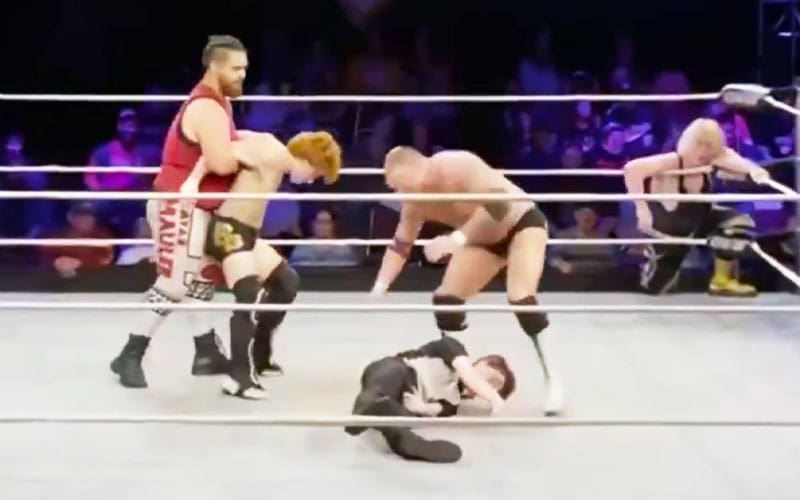
OVW safety overhaul is a desperate but necessary pivot after a near tragedy
3 months, 3 weeks ago
OVW forces the wrestling industry to look in the mirror over safety protocols
3 months, 3 weeks ago
The Kruel stabbing at Ruthless Pro Wrestling is a massive wake-up call
3 months, 2 weeks agoWrestlePro's 10th Anniversary show leaves medical staff scrambling
3 months, 1 week ago