The Wake-Up Call We Did Not Want
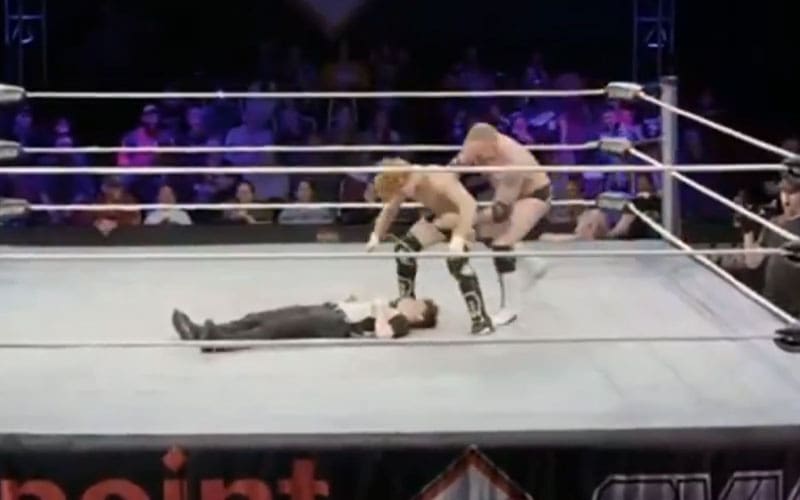
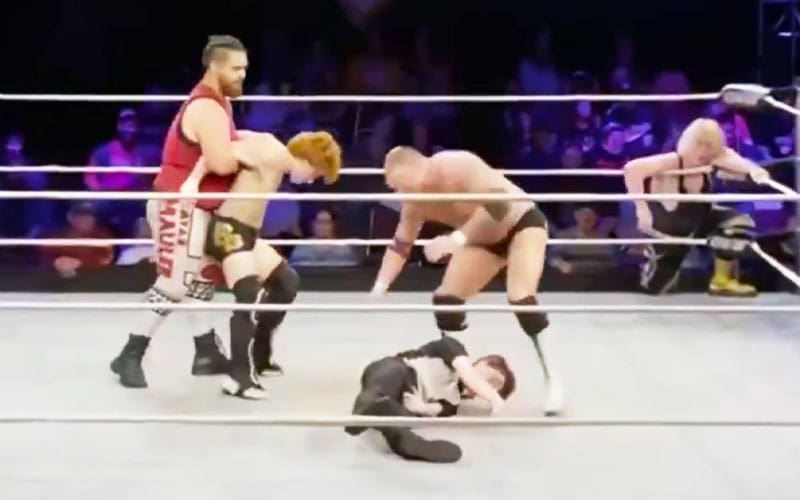
Ohio Valley Wrestling is finally making the change everyone knew was necessary but no one wanted to pay for. Following a terrifying incident that left a referee suffering from a brain bleed, the promotion has officially rolled out revised safety protocols. It is a harsh reality check for an industry that routinely relies on crossed fingers and luck to get through a Saturday night show.
According to Ringside News, OVW wasted no time putting these new rules into effect. The speed of the rollout tells you everything about how close to a tragedy we actually were. When a referee takes a bump or catches a stray elbow, it is usually brushed off as an occupational hazard. This time, it resulted in a severe medical emergency.
We have watched independent wrestling operate on a knife's edge for decades. Promoters book high-risk matches with zero medical staff in the building. A guy takes a piledriver on the apron, gets his bell rung, and finishes the match because nobody is there to tell him he cannot. OVW is drawing a line in the sand. It is about damn time.
The Bare Minimum Is Not Enough
PWInsider did not pull any punches in their assessment. They flat-out stated that these protocols need to be the absolute floor for any independent promotion operating today. The fact that basic medical safety is still considered a luxury in 2026 is frankly embarrassing.
Let's be clear about what happens at a typical indie show. You are lucky if there is an EMT in the building. Most of the time, the medical staff is just a guy with a first aid kit and a roll of athletic tape. The brutal reality is that roughly 95 percent of independent shows run without a licensed doctor in the building. When things go wrong, the plan is usually just calling 911 and hoping the ambulance gets there fast enough.
The brain bleed incident at OVW stripped away that illusion of safety. Referees are not trained to take the bumps that wrestlers do. They do not have the neck strength or the muscle memory to protect themselves when a 250-pound man crashes into them. The fact that it took a referee nearly dying to force this change is the exact problem with the wrestling business.
What Actually Changes Now?
While the exact specifics of the 15-page document haven't leaked in full, the broad strokes are obvious. We are looking at mandatory EMT presence at ringside. We are looking at hard stops for suspected concussions. We are looking at referees actually having the authority to throw up the X and end a match without fear of a promoter screaming at them in the back.
There is also the financial reality. These safety protocols are not free. Having a trained medical professional at ringside costs money. Running baseline concussion tests costs money. For a promotion like OVW, which has a decent financial backing and a television deal, it is an absorbable cost. For the local indie running out of a National Guard armory in front of 150 people, it might be the difference between making a profit and going broke.
But that cannot be an excuse anymore. If you cannot afford to keep your performers safe, you cannot afford to run a wrestling show. It is a brutal truth that a lot of promoters are going to have to swallow. The days of handing a guy a hot dog, twenty bucks, and a pat on the back after he concusses himself are over.
A History of Near Misses
Anyone who has spent time in the trenches of independent wrestling knows this was a ticking time bomb. For every incident that makes the dirt sheets, there are a dozen near misses that get swept under the rug. I have personally seen guys take unprotected chair shots to the back of the head in front of 40 people, only to stumble to the back and throw up in a trash can. We called it paying dues. In reality, it was just gross negligence.
The history of this sport is littered with cautionary tales. The tragic reality is that professional wrestling often needs a sacrificial lamb before it updates its rulebook. The major promotions only got serious about head trauma after severe public pressure and high-profile tragedies forced their hand. The independents have largely avoided that level of scrutiny because they operate in the shadows, far away from corporate sponsors and network television executives.
But the world is smaller now. A clip of a horrific bump at a VFW hall can go viral in ten minutes. The scrutiny is unavoidable. When a referee suffers a catastrophic head injury, it isn't just a local rumor anymore. It becomes an indictment of the entire independent scene. OVW recognizing this shift and acting on it is a rare moment of foresight in an industry known for its stubborn blindness.
The Probability of Industry-Wide Adoption
This is where the speculation starts. Will other promotions follow OVW's lead? The short answer is no. The long answer is no, until they are legally forced to.
The major players like AEW and WWE already have strict protocols in place. AEW is heading into Dynasty next week, and you can guarantee their medical staff is prepped for any scenario. WWE is gearing up for WrestleMania 41, and they will have an entire hospital wing's worth of doctors on standby at Allegiant Stadium. But what about the mid-tier indies? What about GCW? What about the regional promotions scattered across the Midwest?
The probability of a unified, industry-wide safety mandate is low. Wrestling has no governing body. There is no union. Every promotion operates as its own sovereign nation. Until state athletic commissions start cracking down on professional wrestling the way they do on MMA and boxing, compliance will remain voluntary.
The Backlash Will Be Real
Do not mistake this for a universally praised decision within the locker rooms. There will be pushback. Wrestlers are notoriously stubborn. They have been taught to protect the business and finish the match at all costs. If a ringside doctor stops a main event because a top star got knocked loopy, the crowd will riot, and the wrestler will be furious.
We saw this exact scenario play out years ago when WWE first implemented concussion testing. Guys hid their symptoms. They lied to the doctors. They did not want to lose their spot on the card. That same mentality exists on the indies today. A wrestler trying to get booked on the next big card is not going to pull themselves from a match just because they are seeing double. They are going to tape it up and push through.
That is why the responsibility falls on the promotion. OVW is taking the decision out of the wrestlers' hands. It is the only way this works. You cannot trust a guy whose adrenaline is redlining to make a rational medical decision. The referee or the doctor has to make that call.
The Real Cost of Ignoring the Problem
Let's look at the referee involved in this recent tragedy. A brain bleed is not a twisted ankle. It is a life-altering injury that requires immediate, massive medical intervention. The hospital bills alone will bankrupt an uninsured independent worker. Who pays for that? The promoter? The wrestler who botched the spot? Usually, it falls on the victim, followed by a sad GoFundMe campaign that gets passed around Twitter for a few days before everyone forgets about it.
This is the dark underbelly of the wrestling hype machine. We love the high spots. We love the danger. But we completely ignore the human cost when the spot goes wrong. The fact that PWInsider had to dedicate an entire separate editorial just to argue that basic safety should be the bare minimum shows how warped the baseline is.
OVW deserves credit for acting quickly. They saw a glaring flaw in their system and they fixed it. But let's not pretend they are saints. They fixed it because a man almost died in their ring. The real test is what happens six months from now. When the budget gets tight, do they keep the EMTs at ringside? When a main event is falling apart, do they still enforce the hard stop? Talk is cheap.
What Happens Next
The next few months are vital. As we inch closer to the busy summer season, with major events drawing talent from all over the world, the spotlight will be on how these regional promotions operate. The wrestling media needs to hold these companies accountable. If an indie promoter runs a show without medical staff, call them out. If a wrestler is allowed to continue after a clear knockout, name the promotion and shame them.
We cannot wait for another brain bleed to force the next wave of changes. The blueprint is right there. OVW wrote it. Now the rest of the industry needs to steal it.