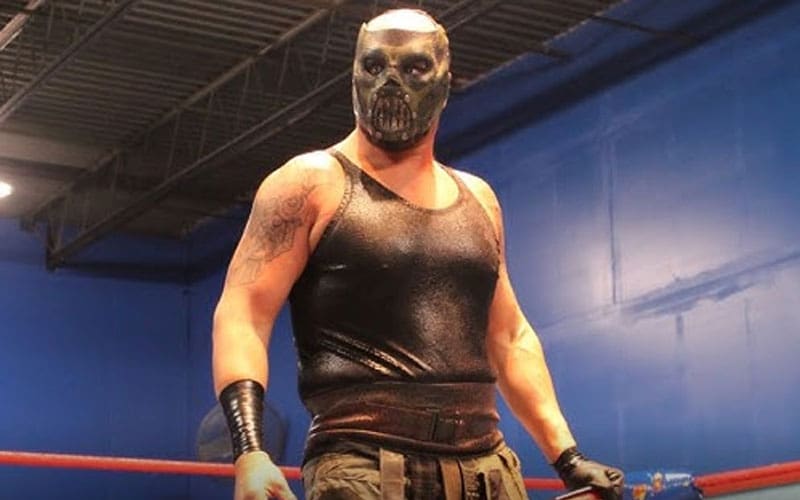
The OVW referee incident is a brutal reminder of wrestling's darkest habits
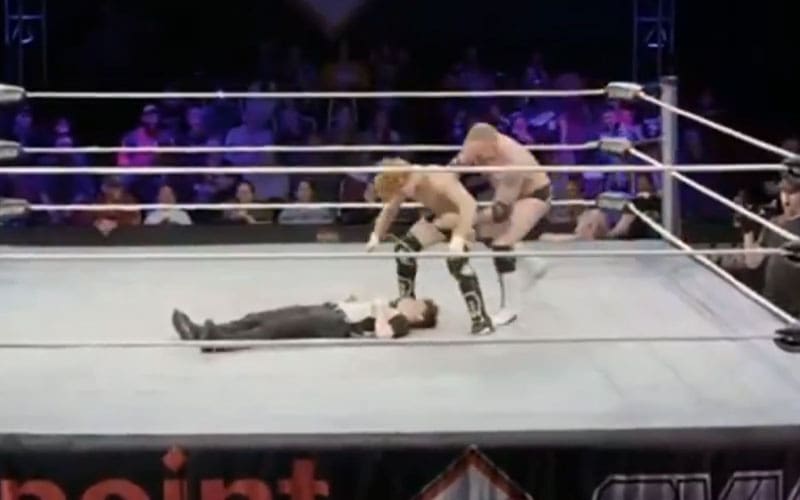
When the performance turns into a real-life nightmare
In a world where we spend half our time arguing about star ratings and the other half complaining about creative, we occasionally get a reminder that this business is a hair’s breadth away from disaster. The recent situation at Ohio Valley Wrestling involving referee Dallas Edwards wasn't just a 'scary moment' for the highlight reels. It was a complete system failure that almost ended in a tragedy because the people in the ring couldn't distinguish between a theatrical sell and a medical emergency.
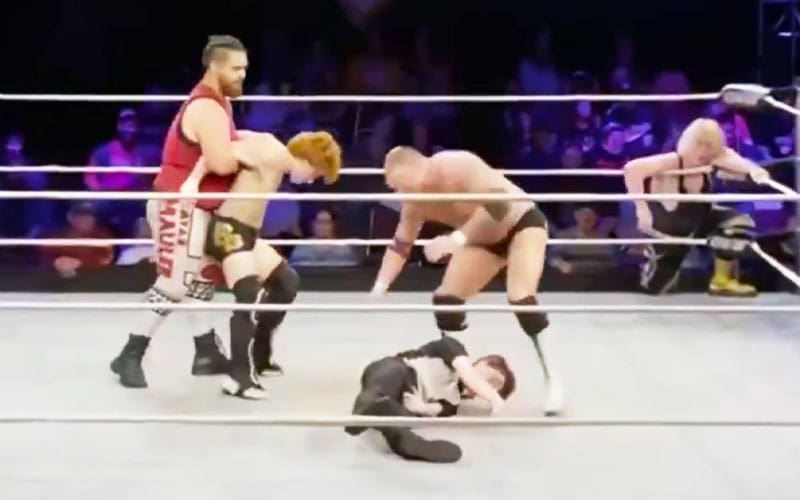
Reports indicate that during the match, Edwards suffered a legitimate brain bleed, yet the wrestlers in the ring initially thought he was just doing a phenomenal job of playing his part. They thought he was overselling. It sounds like a dark comedy script, but it’s the reality of a sport where your job is to lie to the audience for 20 minutes at a time. When the lie is your paycheck, you stop looking for the truth, even when it’s collapsing right in front of your eyes.
As Ringside News detailed, the confusion in the ring was matched by a chaotic timeline in the back. Al Snow has been out here providing updates, trying to piece together how a man with a life-threatening injury was left in a position of uncertainty. If you aren't paying attention to the details of the OVW medical response timeline, you should be. It’s a roadmap of exactly what not to do when a human being’s brain is literally under internal pressure.
Bischoff pulls no punches on the culture of 'f-ing up'
Eric Bischoff, a man who has seen every possible disaster in this industry from the inside out, didn't hold back on his assessment. He summarized the entire ordeal with his usual subtlety: 'Everybody f***ed up.' It’s a blunt instrument of a quote, but it hits the mark. When the referee—the one person responsible for the safety and structure of the match—is the one who goes down, the entire ecosystem (to use a word Bischoff would probably hate) falls apart.
Bischoff’s frustration stems from the lack of a 'Plan B' that should be standard in any promotion, even at the developmental or indie level. We’ve seen this before. We saw it with Perro Aguayo Jr. in Mexico. We saw it with the agonizing minutes after Owen Hart fell. You’d think by 2026 we would have a universal protocol that doesn't involve wrestlers standing around wondering if they should hit their next high spot while a man’s life hangs in the balance.
Everybody f***ed up.
The veteran promoter also touched on the broader state of the industry, noting that we are losing the grip on what makes a performer 'real' in the eyes of the fans. In a separate conversation, Bischoff called Randy Orton the last of a specific generation of performers. He’s talking about the guys who knew how to control a room without needing a 450 splash. Orton has that 'old school' awareness, the kind of ring generalship that might have spotted the Edwards situation three minutes earlier than a bunch of green kids looking for their next TikTok clip.
The Ricochet problem and the death of the character
While we’re talking about Bischoff’s grievances, his take on Ricochet is worth a look. He argued that the former Prince Puma isn't actually playing a character after his recent comments. It’s a harsh critique, but it fits the theme. If the modern wrestler is just 'a guy who does moves,' they lose the peripheral vision required to handle the unexpected. They are so focused on the choreography that they miss the human being dying at their feet.
The OVW locker room reportedly felt terrible once they realized the gravity of the situation. That’s nice, but guilt doesn't fix a brain bleed. The fact that professional athletes—and make no mistake, that’s what they are—couldn't tell the difference between a 'work' and a 'shoot' in a life-or-death scenario is a damning indictment of current training priorities. We spend hours teaching kids how to take a Canadian Destroyer but maybe ten minutes on basic triage.
The industry needs to stop treating medical staff as an afterthought or a line item to be cut when the budget gets tight. Having a 'medical response' that takes several minutes to mobilize is effectively having no medical response at all. In the 60 seconds after a brain injury, every tick of the clock is a percentage point of permanent damage. Edwards is lucky to be alive, and OVW is lucky they aren't dealing with a different kind of headline today.
Moving forward without the rose-colored glasses
Wrestling is a circus, but the lions are real and the high-wire has no net. We love the drama, but the drama shouldn't involve a referee spending several days in the ICU because the 'show must go on.' Al Snow is doing his best to manage the fallout, but this should be a wake-up call for every promotion running shows in high school gyms or armories across the country. If your safety protocol is 'hope for the best,' you shouldn't be running a show.
There is a lesson here about the 'work' culture. We’ve spent decades praising performers who 'sell' so well that the crowd thinks they’re dead. Maybe it’s time to dial that back. If the line is so blurred that your own coworkers can't tell you’re having a stroke, the art form has become a suicide pact. We need more Randys and fewer 'flippy guys' who can't read a room if it isn't written in their 15-page match script.
Let’s hope Dallas Edwards makes a full recovery and returns to the ring—or at least to a healthy life. But let’s not pretend this was just bad luck. This was a series of choices made by people who should have known better. Wrestling is supposed to be a simulated fight, not a simulated medical rescue where the responders forget to show up. It’s time to grow up, or more people are going to get hurt in ways that a three-count can’t fix.
Frequently Asked Questions
What happened to referee Dallas Edwards at OVW?
Why did the wrestlers in the ring fail to help Dallas Edwards immediately?
How did Eric Bischoff characterize the response to the OVW incident?
What broader industry issue does the Dallas Edwards situation highlight?
Why is this incident being compared to other wrestling tragedies?
More Reviews & Picks
OVW safety overhaul is a desperate but necessary pivot after a near tragedy
3 months, 3 weeks ago
OVW forces the wrestling industry to look in the mirror over safety protocols
3 months, 3 weeks ago
When the worst-case scenario unfolds in plain sight
3 months, 4 weeks ago
Cultaholic News (Cultaholic Wrestling): "Dallas Edwards was refereeing a match on the show when he was involved in a ref bump spot where h..."
3 months, 2 weeks ago