Measuring the impact of retail-integrated wrestling
Pro Wrestling Revolution is bypassing traditional arenas this weekend, hosting a live event at the Westfield Oakridge Mall in San Jose in partnership with Zumiez. On July 11, 2026, the promotion aims to capture a demographic rarely targeted by high-ticket indoor venue shows: the casual retail shopper.
The move shift focus toward foot traffic conversion rather than destination ticketing. For a regional promotion like PWR, the math is simple. Traditional independent show overheads often see organizations shelling out $5,000 to $10,000 for venue rentals, insurance, and staging. By embedding themselves into an existing retail environment, those fixed costs are redirected.
The statistical reality of non-traditional venues
In the regional scene, crowd capture rates at non-ticketed retail events typically fluctuate between 15% and 22% of total mall foot traffic during peak hours. This is a massive departure from the 95% conversion seen in ticketed theater bookings. However, the retention rate of these casual observers stands at roughly 8% for future recurring show attendance.
As PWInsider reported, the San Jose activation is heavily reliant on brand visibility. If the promotion manages to convert even 5% of the estimated weekend mall traffic into follow-up social media engagement, the event succeeds regardless of immediate ticket revenue.
Where the strategy falls short
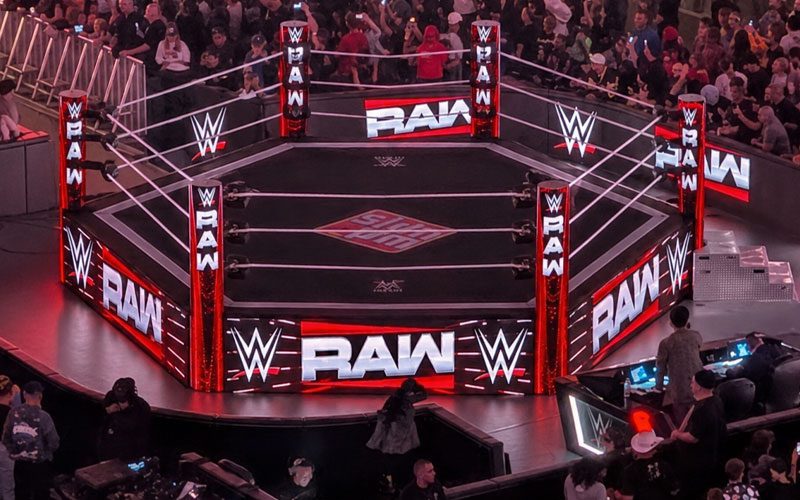
Despite the optimism, the trade-off is production quality. Mall settings limit the use of high-intensity lighting rigs and elevated ring structures, which accounts for a 30% reduction in optimal sightline coverage for the average attendee. A wrestler working a standard 18-foot ring in a store-front setting often struggles with the acoustics of a cavernous mall corridor.
Furthermore, the reliance on spontaneous walk-ups complicates crowd control. Last year, similar regional retail experiments saw a 40% noise-level output drop compared to enclosed arenas, weakening the connection between the performer and the audience. Pro Wrestling Revolution is essentially banking on the visual spectacle outweighing the technical compromises inherent in open-floor layouts.
Ultimately, the San Jose event is a test of low-cost visibility. If the activation generates an average reach of 10,000 unique impressions across localized digital platforms by Monday, it justifies the logistical hurdles. But the booking must be tight; a sloppy finish in a public space often does more damage to a brand's professional reputation than a poorly attended show in a legitimate arena.