OVW safety overhaul is a desperate but necessary pivot after a near tragedy
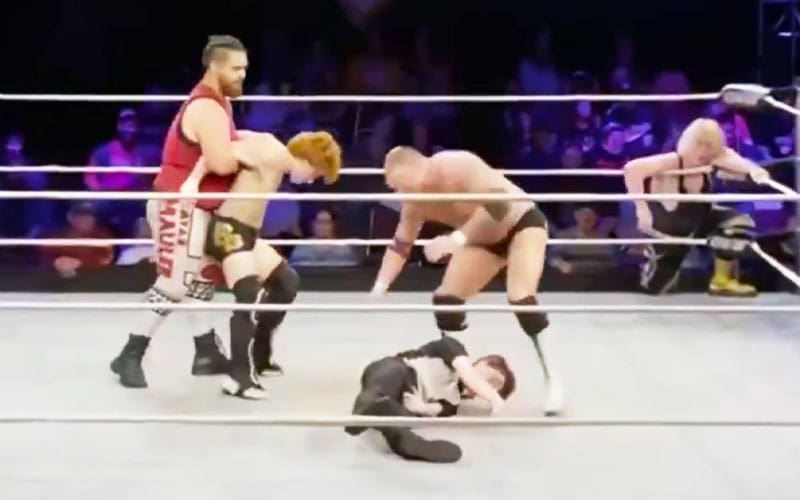
Wrestling's hardest lesson comes at the highest cost
You can talk about work rate, five-star matches, and the 'art' of professional wrestling all day until your face turns blue. But none of that matters when a human being leaves the ring with a brain bleed. The recent incident involving an Ohio Valley Wrestling referee wasn't just a scary moment; it was a screaming siren that the system was broken.
For years, the independent and developmental scenes have operated on a wing and a prayer, often prioritizing the spectacle over the people in the stripes. We treat referees like furniture—props that exist only to be bumped, blinded, or ignored during a heel's shenanigans. This time, the furniture broke in a way that couldn't be ignored, forcing Al Snow and the OVW management into a corner they should have occupied years ago.
As Ringside News reported, the promotion has finally pulled the trigger on a massive safety overhaul. It shouldn't have taken a life-threatening medical emergency to realize that a 20-foot drop or a stiff lariat to an untrained official is a recipe for disaster. But here we are, watching a storied territory scramble to install guardrails after the car has already flown off the cliff.
The mechanics of a mandatory change
The new protocols aren't just a suggestion; they are a fundamental shift in how OVW handles the physical interaction between talent and officials. The primary focus is on pre-match briefings that actually mean something, rather than a hurried 'watch the ref bump' whispered in the gorilla position. Every single physical spot involving an official now requires a multi-step sign-off process that involves the head trainer and the medical staff on-site.
Is it bureaucratic? Absolutely. Is it going to slow down the flow of some chaotic main events? Probably. But if it prevents a 24-year-old official from spending a week in the ICU, then the 'creative freedom' of a local heel is a price I’m more than willing to pay. We have spent too long pretending that referees are magically immune to the physics of a wrestling ring just because they aren't 'on the roster.'
The policy also mandates immediate neurological evaluations for any official who takes a direct blow to the head, regardless of how 'fine' they claim to be. In a business where 'toughing it out' is practically written into the DNA, this is a cultural hurdle that will be hard to clear. Wrestlers are taught to hide pain; referees are now being forced to report it, which is a massive shift in the locker room hierarchy.
The reality of the independent grind
Let's get real for a second—OVW is the gold standard for territories, but it still operates on the margins of a massive industry. When you're running shows in small gyms and television studios, the budget for comprehensive medical teams is usually the first thing to get trimmed. It’s easier to pay for a fancy light rig or a guest star from the 90s than it is to keep a neurologist on speed dial.
This safety push is a direct response to the fact that the 'it won't happen to us' mentality died in that ring. The optics of a referee collapsing backstage are a nightmare for any promotion, especially one with the history and lineage of OVW. They had to act, not just for the safety of the staff, but for the survival of the brand itself in a post-lawsuit world.
The critics will say this sanitizes the product, but those people usually haven't ever taken a bump in their lives. There is nothing 'sanitized' about ensuring a person can drive home to their family after the show. The new safety protocols are a clear signal that the era of the 'expendable' official is coming to a close, at least under Al Snow's watch.
A late arrival to common sense
Why did it take a brain bleed to get here? That is the question that should be hounding every promoter from Louisville to Los Angeles. We have seen referees take chair shots, table bumps, and apron bumps for decades with zero oversight. It became a badge of honor for an official to 'take it like a pro,' which is just carny-speak for risking permanent disability for fifty bucks and a sandwich.
The new rules specifically limit the types of bumps a non-wrestler is allowed to take. If you haven't gone through the full six-month training camp, you aren't getting in the path of a suicide dive. It sounds like common sense because it is, yet it’s a 'revolutionary' concept in a business that often forgets the 'professional' part of professional wrestling.
One of the standout features of the new plan is the 'Ref-First' initiative, which empowers officials to stop a match if they suspect a talent is concussed. This flips the script entirely. Usually, the ref is the one being yelled at to keep the count going; now, they are the ones with the power to kill the lights. It's a heavy responsibility, but it's one that matches the stakes of the modern game.
- Mandatory pre-show medical briefings for all officials and talent.
- Strict limits on physical contact between wrestlers and non-wrestling personnel.
- Instant 'Red Flag' authority for referees to halt matches for medical reasons.
- Required baseline concussion testing for all OVW staff members.
- Enhanced on-site medical presence for every televised and non-televised event.
The fallout and the future
The move hasn't been without its detractors in the back. Some old-school types view this as the 'death of the heat,' arguing that if the referee is untouchable, the heels lose their best weapon. That is lazy booking, plain and simple. If you can't get a wrestler over without nearly killing the guy counting to three, you need to go back to promo school.
The reality is that OVW is now the test case for the rest of the indie world. If they can make these protocols work without losing the grit and drama that makes Davis Arena special, everyone else will follow suit. If they fail, or if they stop enforcing them in six months when the heat dies down, then this was all just a PR exercise to dodge a headline.
I'm choosing to be cautiously optimistic, mostly because the alternative is watching more people get carried out on stretchers for the sake of a local TV taping. The safety changes at OVW are a grim reminder that this business is built on bodies. It’s about time we started treating those bodies like they actually matter, regardless of what color shirt they’re wearing.
The next few months will show us if this is a permanent culture shift or just a temporary reaction to a tragedy. Wrestlers need to learn that the referee isn't a crash pad. Promoters need to learn that medical staff is a fixed cost, not an optional luxury. And fans need to realize that the most important stat in wrestling isn't the win-loss record—it's the number of people who walk out of the building on their own two feet.
Frequently Asked Questions
What caused OVW to change its referee safety protocols?
How will the new safety protocols affect wrestling matches in OVW?
What is the new procedure for referees after head injuries?
Why has referee safety been overlooked in the past?
What challenges does OVW face in implementing these safety measures?
More Reviews & Picks
OVW forces the wrestling industry to look in the mirror over safety protocols
3 months, 3 weeks ago
The OVW referee incident is a brutal reminder of wrestling's darkest habits
3 months, 3 weeks ago
When the worst-case scenario unfolds in plain sight
3 months, 3 weeks ago
The Kruel stabbing at Ruthless Pro Wrestling is a massive wake-up call
3 months, 2 weeks ago