The 2005 exit that set a brutal tone
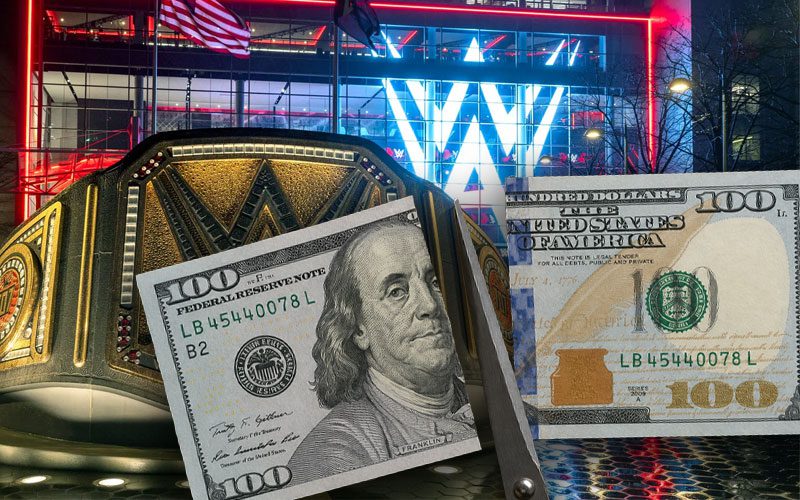
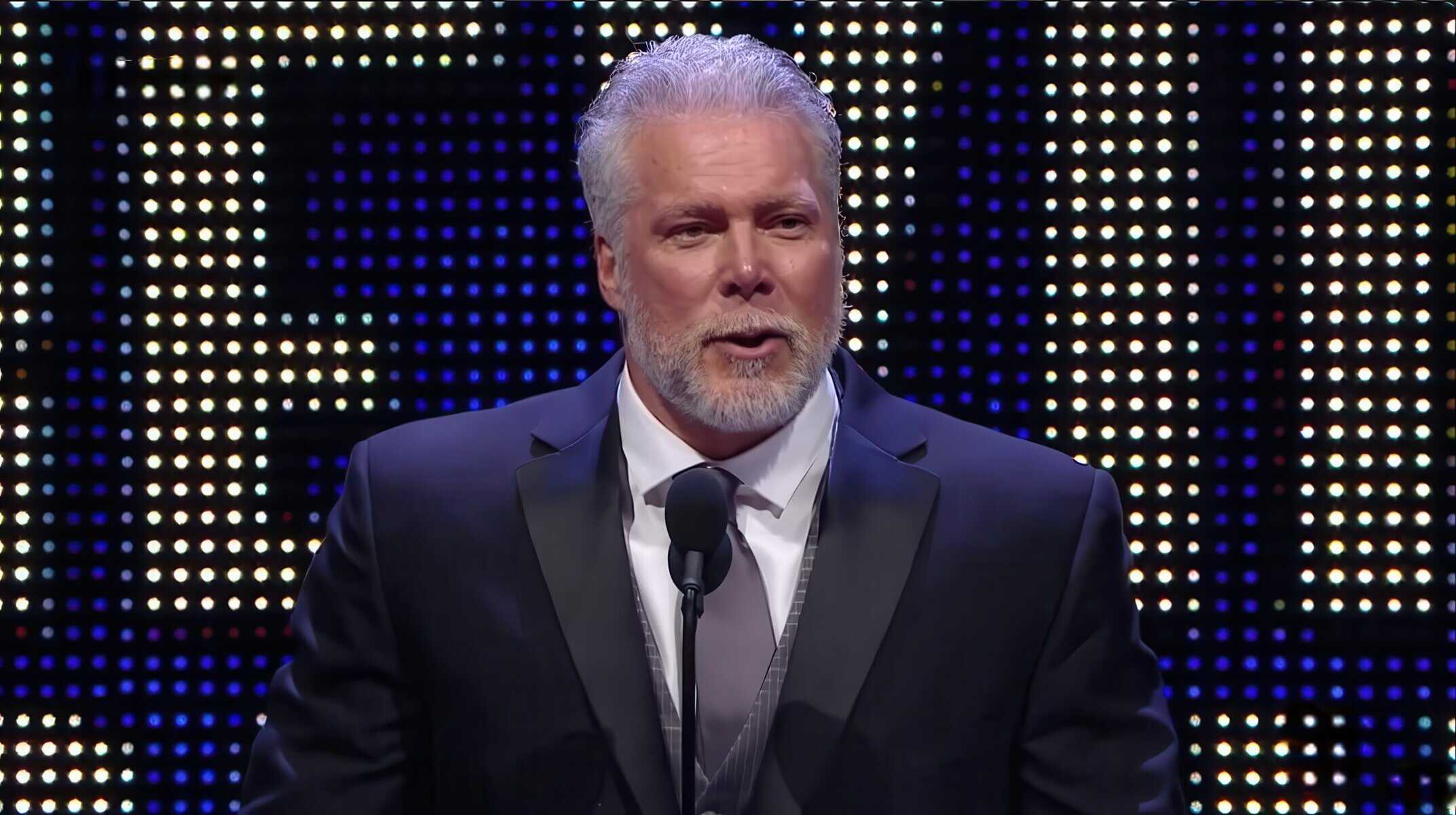
In the world of professional wrestling, contracts are often about as sturdy as a folding chair used for a spot. A former WWE star recently opened up about his departure from the promotion back in 2005. The story is simple and reeks of the corporate coldness we have seen time and time again. He stood his ground after the company demanded a pay cut, and rather than accept, he walked out the door.
This kind of move defines the mid-2000s era. High turnover rates were the standard, and talent retention was secondary to bottom-line arithmetic. As reported by WrestlingNews.co, that specific clash over compensation was enough to end a career path that otherwise seemed set in stone. It serves as a reminder that even when you are on television every week, you are always one spreadsheet update away from unemployment.
The economics of the wrestling grind
Refusing a pay cut when you believe your value is higher is a power play that rarely ends well for the athlete. In 2005, the negotiation leverage resided firmly with headquarters. There were no alternatives like the modern industry offers today. Today's talent has options if the main promotion decides to pinch pennies.
Back then, you either took the deal or you vanished from the biggest stage. This story exposes the reality of the wrestling business during the Ruthless Aggression era. It was a meat grinder designed to strip away individual bargaining power. The talent had to make a choice between their dignity and their screen time.
Missing the point on talent loyalty
The decision to force a pay cut in 2005 feels like an absolute failure of management. If you have a performer moving the needle, you pay them. Demanding a reduction in salary is a petty tactic that breeds resentment. It turns employees into mercenaries and kills any chance of long-term loyalty.
Some might argue that financial shifts were necessary due to changing television models at the time. They are wrong. A massive machine like that should not be nickel-and-diming mid-card talent to save a rounding error in the quarterly budget. It is a classic move that prioritizes short-term margin over long-term stability.
The shadow over WrestleMania 41
As we approach April 19, 2026, for the opening night of WrestleMania 41, this 20-year-old story feels relevant again. The industry has evolved, but the tension between the front office and the locker room remains the same. The way companies treat their performers is the primary driver of morale.
If the promotion thinks they can pull similar moves today, they are in for a rude awakening. We are in a different climate where performers know exactly what they are worth. The days of bullying talent into taking a pay cut are fading. If management doesn't respect the person behind the gimmick, they will find their rosters thinning faster than a blade job in a barbed wire match.