The long-term physical cost of a high-impact wrestling career
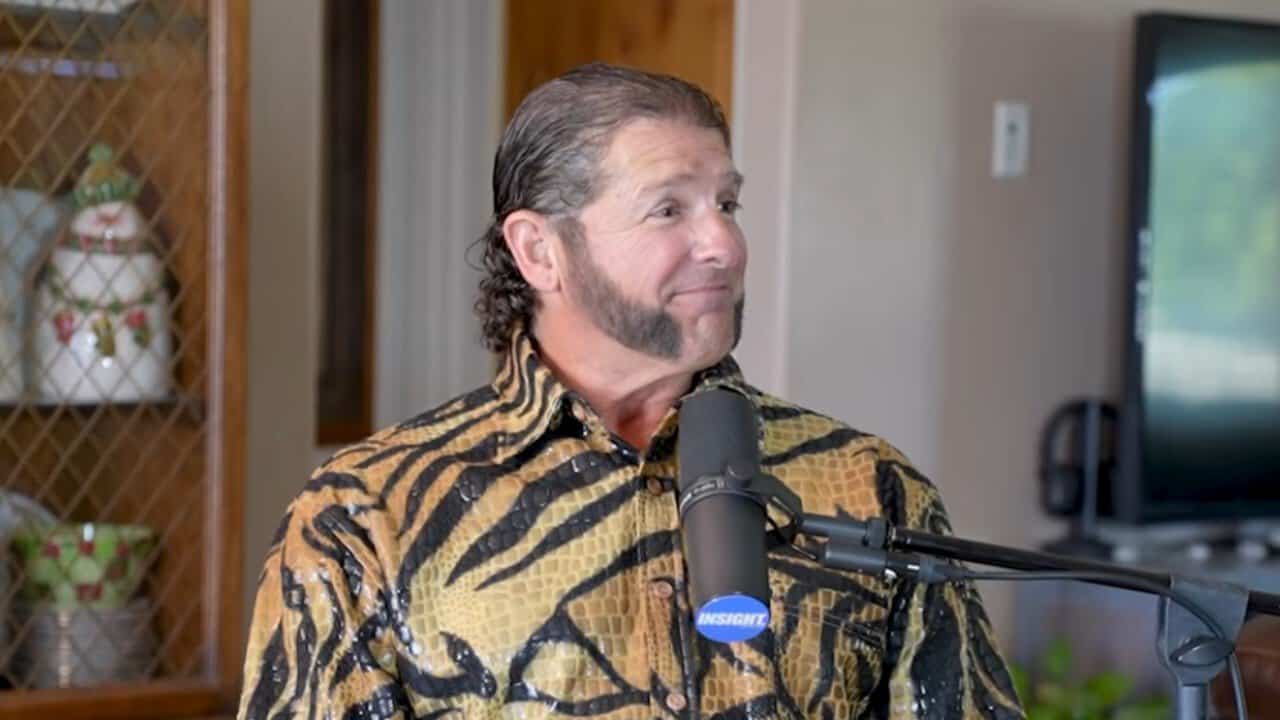
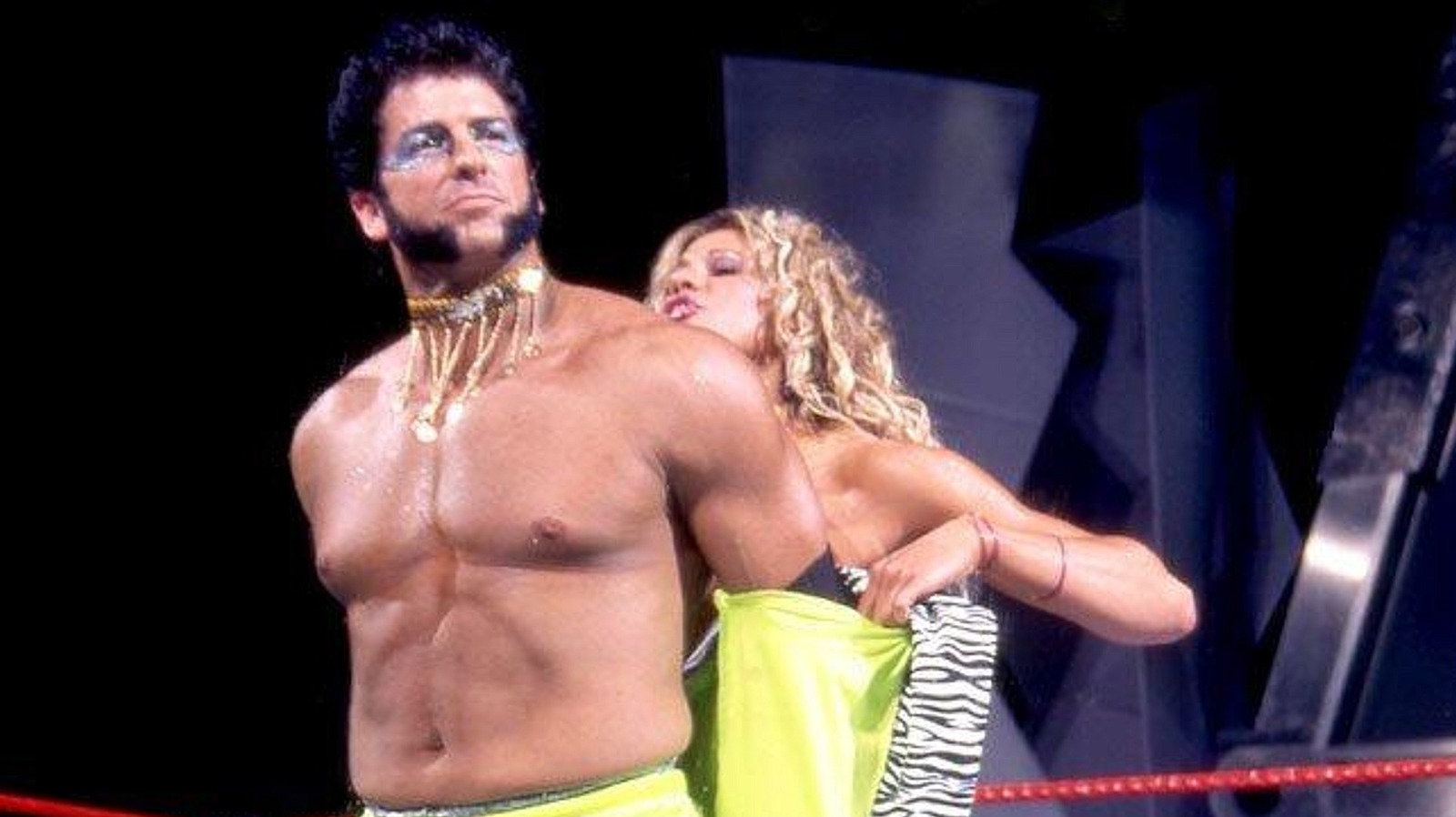
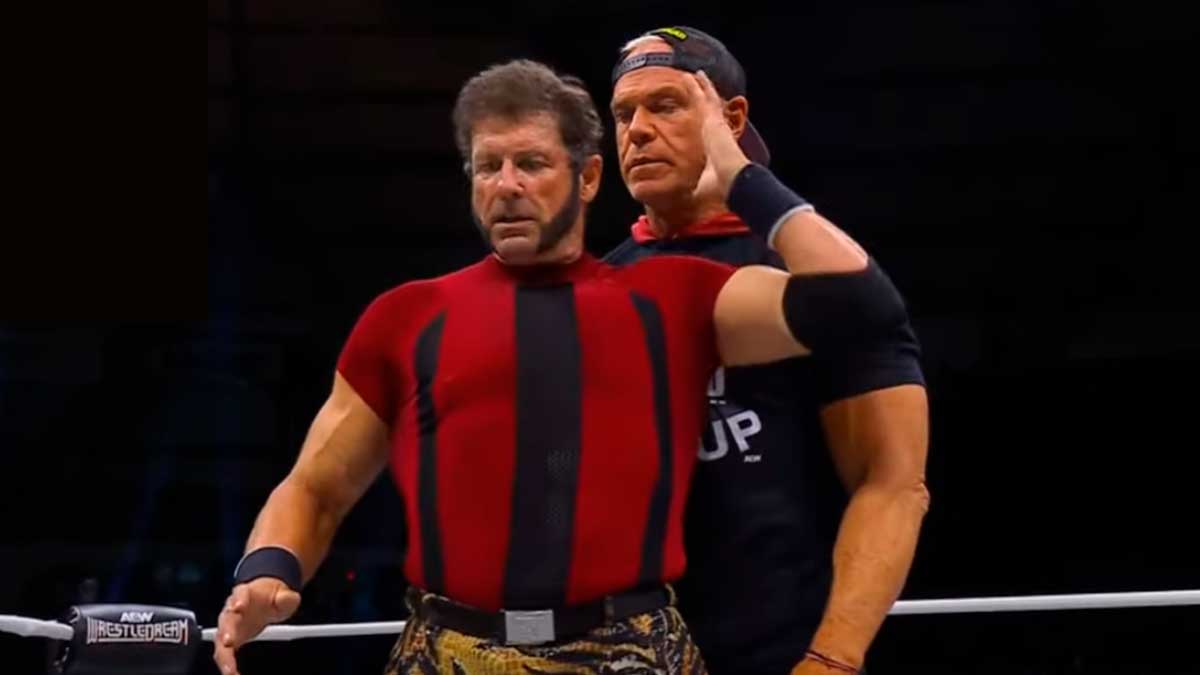
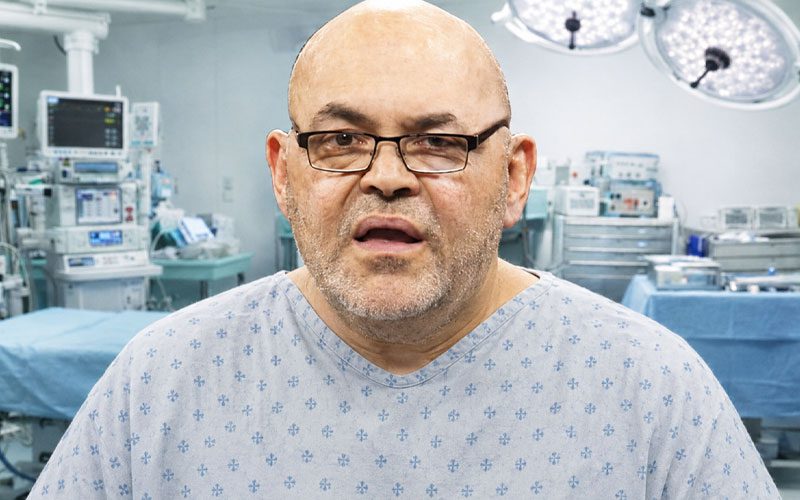
Rico Constantino, the former WWE star and a notable figure in the Ruthless Aggression era, has faced debilitating health hurdles since leaving the ring. His transition away from professional wrestling was not marked by a clean break from the injuries accumulated during his active tenure. The physical wear and tear associated with his high-intensity style, particularly as a powerhouse performer, eventually required significant medical intervention.
Constantino’s medical struggles center on severe cardiovascular and structural damage. Following a battery of tests, sources confirmed the former wrestler dealt with significant heart issues that severely restricted his activity level. While many athletes struggle with joint degeneration or concussions, Constantino encountered life-threatening heart conditions that necessitated immediate lifestyle shifts and ongoing cardiac care.
Missing the ring: The impact of early retirement
The transition from a full-time wrestling schedule to sedentary civilian life is notoriously difficult. For Constantino, the sudden stop in regular athletic performance likely exacerbated existing health concerns that had been managed through training and conditioning. Without the strict regimen of a professional promotion, the body often reacts poorly to the sudden drop in workload.
Competitors of his generation often faced similar hurdles, though few spoke openly about the cardiac fallout of steroid-era supplement usage and the grueling travel cycles of the early 2000s. Constantino’s case highlights the lack of long-term medical monitoring for retired talent who depart the promotion before the introduction of more robust wellness programs. It is a reality that leaves many veterans footing the bill for their own care decades after their final pay-per-view match.
Strategic and industry-wide health implications
The wrestling industry has been forced to modernize its medical safety protocols significantly over the last decade. WWE now invests heavily in concussion protocols and routine cardiac screenings, a direct response to the medical crises that plagued the business throughout the 1990s and early 2000s. Constantino serves as a reminder of an era where these screenings did not exist to protect talent.
Beyond the medical board, Constantino has recently made headlines for non-wrestling endeavors, including work on a new film project centered on his life and career. This serves as a pivot point for a performer whose legacy was largely overshadowed by his health trajectory. While fans focus on current WrestleMania 41 storylines, this narrative offers a reality check on the actual cost of those highlights.
Analyzing the recovery and legacy
Constantino’s current quality of life has stabilized significantly compared to his post-retirement peak. Through rigorous medication and a strictly managed diet, he has moved past the most dangerous phases of his health crisis. However, he remains functionally retired from any physical wrestling engagements, opting for public appearances and media work instead of in-ring competition.
This outcome is unfortunately common for performers of his archetype. The heavy-duty workload required to sustain a spot on television—specifically his work with Charlie Haas and Shelton Benjamin—demanded a physical peak that was not sustainable long-term. Even with advances in sports medicine, the cumulative damage remains a locked-in cost for his generation of wrestlers.
Critical readers should note that the romanticization of the Ruthless Aggression era often ignores these medical realities. By focusing purely on the in-ring work and the entertainment value, fans overlook the individual toll paid by those like Constantino. His current focus on creative projects beyond wrestling demonstrates a necessary shift in priorities for a man who nearly lost everything due to the physical requirements of his profession.
The film in development provides a platform to address these issues with more nuance than a standard documentary. It is an opportunity for Constantino to define his personal history on his own terms, rather than through the lens of a failed medical evaluation or a premature exit from the industry. As the sport moves toward WrestleMania, there is value in remembering those who paved the way at great personal expense.