The ghost in the gorilla position finally gets a name
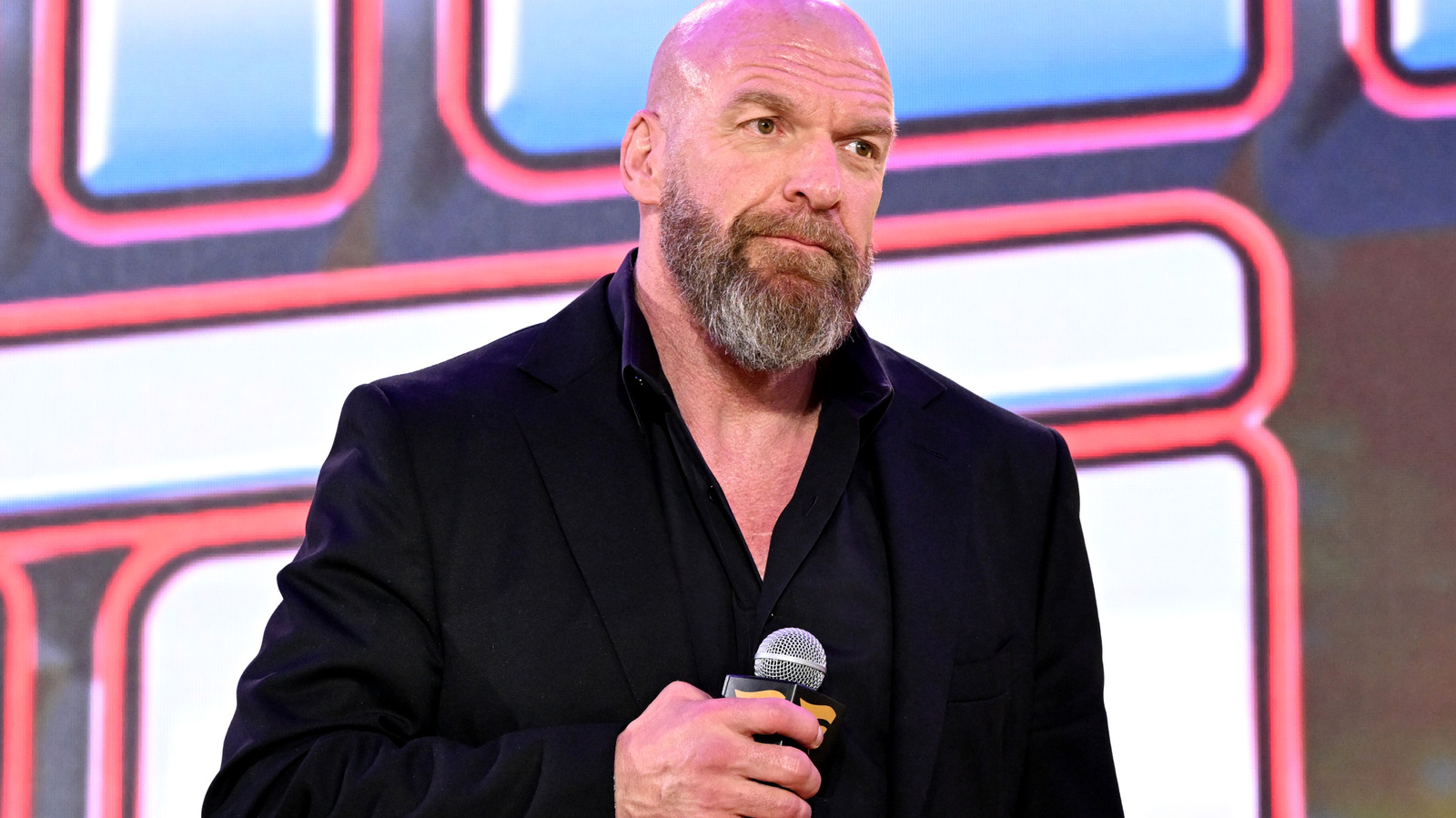
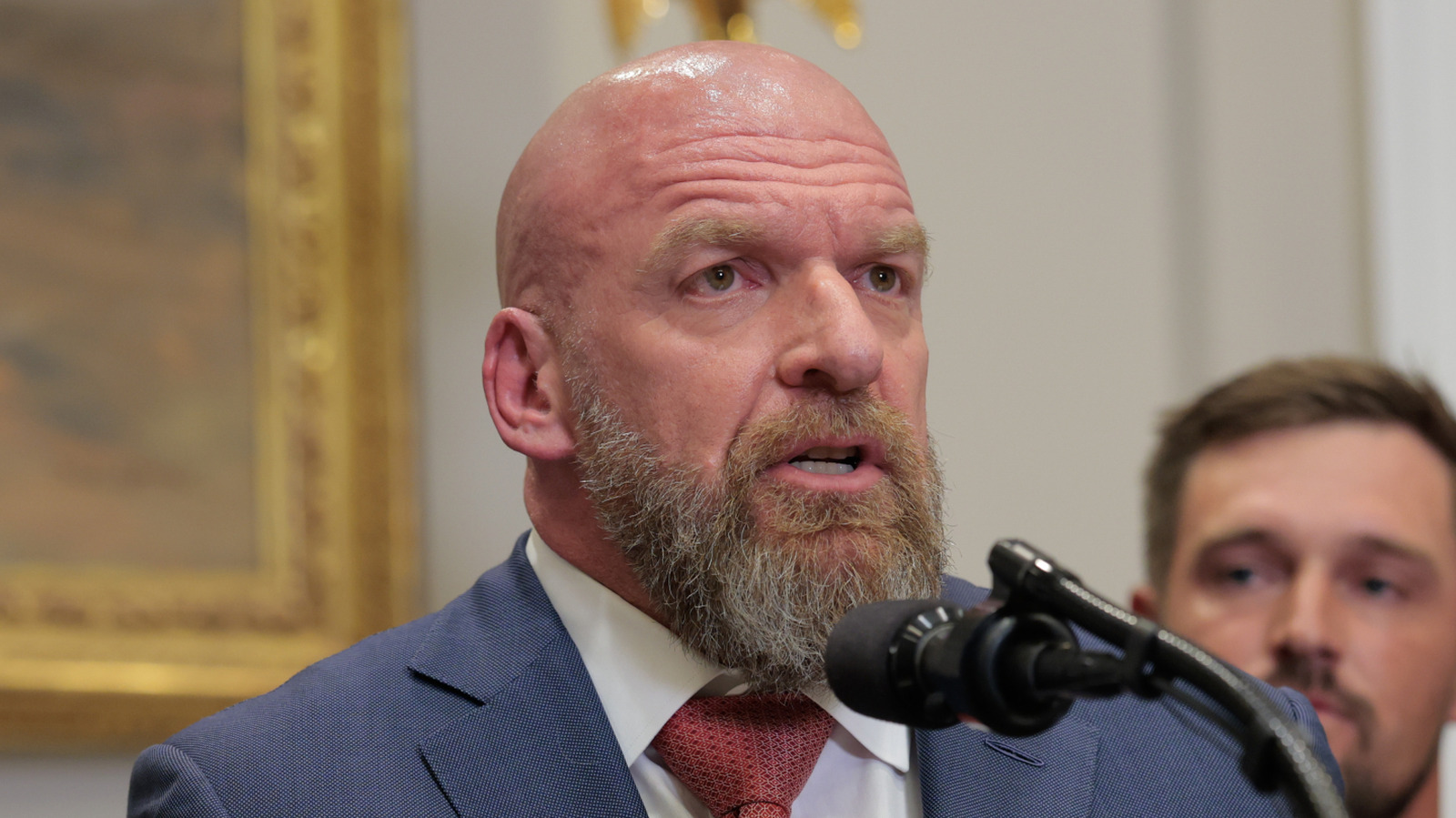
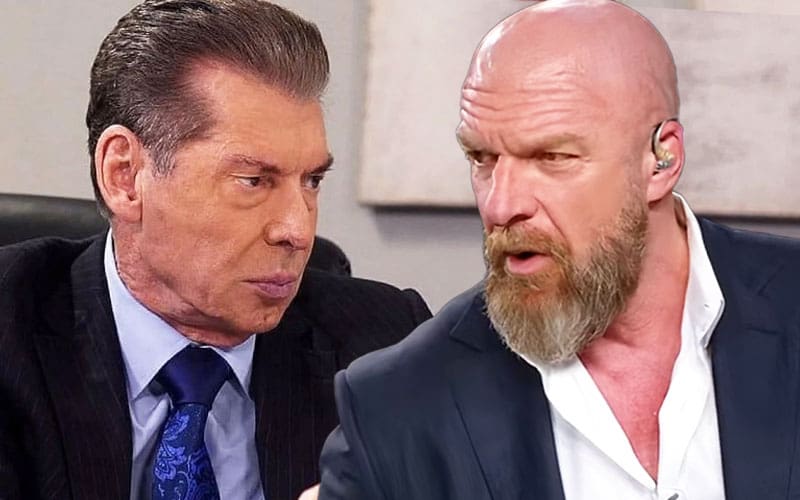
I have been screaming into the digital void for two years that the transition from Vince McMahon to Triple H was about as clean as a garbage match in a basement. Everyone with a working set of eyeballs and a basic understanding of how narcissism works knew the Levesque Era didn't start with a blank slate. You do not take a man who has controlled every single pixel on a television screen for four decades and tell him to go sit in a corner with his billions and a fitness magazine while someone else plays with his toys. But here we are in April 2026, and Paul Levesque is finally saying the quiet part out loud to anyone who will listen.
The phrase Triple H used was "directing traffic." That is the polished, corporate-sanctioned version of admitting Vince was still screaming in the headset while Hunter tried to look like the man in charge. It confirms every single report from that radioactive post-WrestleMania 39 period where the script was reportedly shredded at 7:55 PM on a Monday night. We all saw the product. We saw the sudden pivots back to 20-minute opening promos that went nowhere and the random squash matches that felt like they were booked by a man who hadn't watched a minute of NXT in five years.
The reality is that for a long time, the Levesque Era was a marketing slogan designed to keep the fans from revolting while the old man still had his finger on the pulse. It was a shield. By putting Triple H's face on the "Chief Content Officer" title, they bought themselves breathing room with a fanbase that was desperate for change. They sold us a revolution while the same guy was still calling the audibles from the back. It is the kind of gaslighting that only the wrestling business could pull off with a straight face for over a year.
The Endeavor era and the slow-motion car crash
When TKO took over, the narrative was that Vince was just the "Executive Chairman" and that creative was strictly Hunter's playground. We now know that was a convenient fiction. The transition wasn't a handoff; it was a tug-of-war. Vince wasn't just a consultant or a figurehead. He was active. He was involved. He was, as Triple H now admits, still the one making sure the traffic flowed in the direction he wanted. It took the nuclear explosion of the lawsuit in January 2024 to finally sever the tie, but the damage to the timeline of "creative independence" is already done.
The most frustrating part of this admission is how it recontextualizes the last two years of television. Think about the talent that was buried, the storylines that were abandoned, and the weird hesitation to fully commit to the new style. We were told it was just a "period of adjustment." In reality, it was a battle for the soul of the company. Triple H had to navigate a minefield where one wrong move could result in the old man taking back the keys entirely. It wasn't a creative vision; it was a survival strategy.
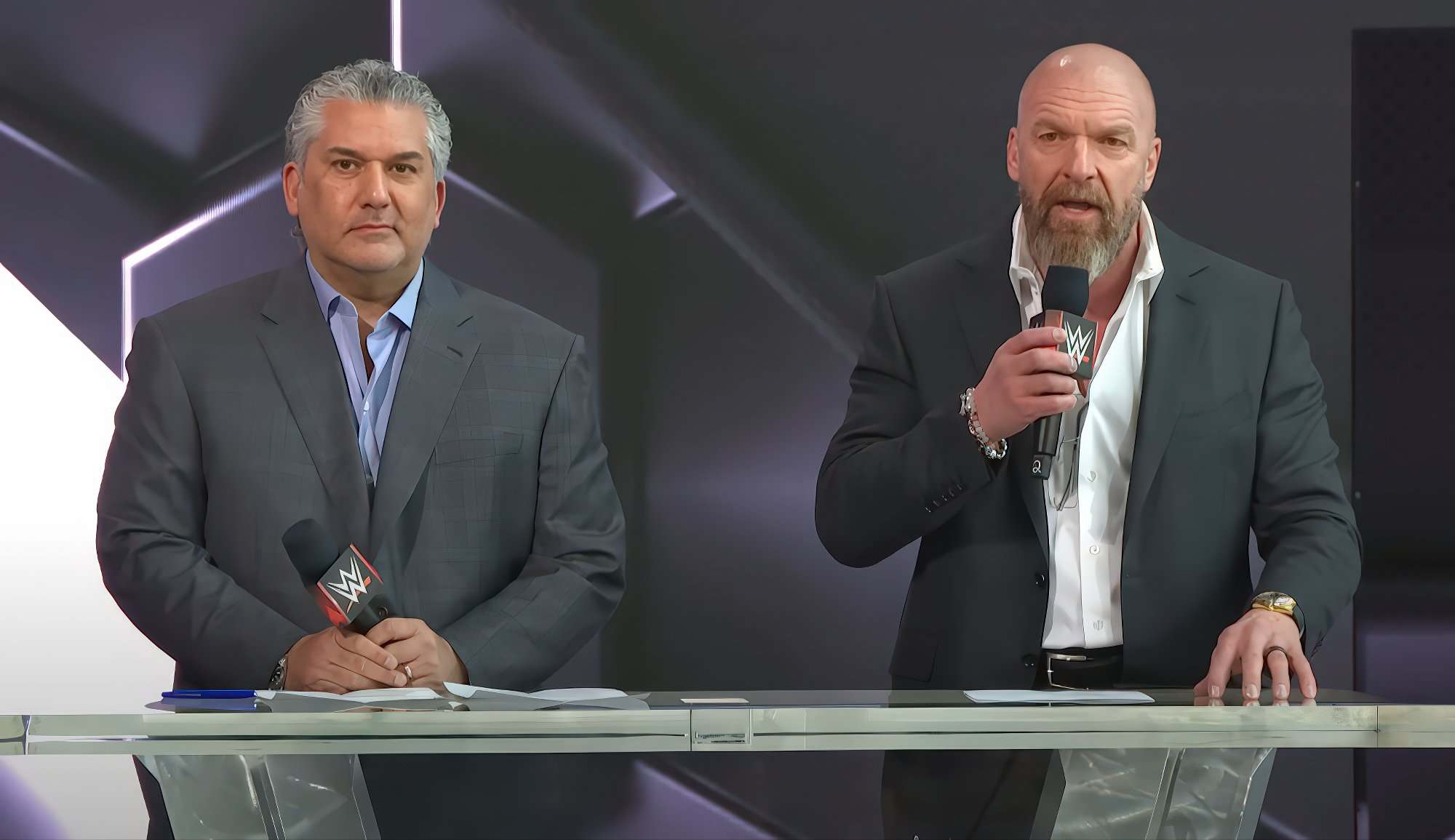
The corporate side of this is even more cynical. Endeavor needed Vince's name on the paperwork to smooth over the merger, even as the creative side was begging for a fresh start. They kept the ghost in the machine because the ghost owned the machine. It wasn't until the public relations cost of keeping him outweighed the financial benefits that they finally showed him the door. Triple H admitting this now feels like a man who has finally been allowed to take off a heavy backpack after hiking five miles uphill. He's free, but he's exhausted, and he's finally ready to admit how hard it was to carry that weight.
WrestleMania 41 and the true end of the transition
We are currently 11 days away from WrestleMania 41 on April 19, 2026, and for the first time, the show actually feels like it belongs to the current regime. There are no Vinceisms lingering in the corners. The John Cena farewell tour isn't being booked by a man obsessed with toilet humor or big sweaty men who can't work a headlock. It is being booked by someone who understands that the business has moved past the 1980s. The matches have time to breathe. The stories have internal logic. The "traffic" is finally being directed by someone who knows how to use a GPS.
However, we shouldn't let Triple H off the hook for the deception. For over a year, he stood on stages and told us that he was the guy. He took the credit for the good stuff and let "rumors" take the blame for the bad stuff. This admission proves that he was complicit in a narrative that wasn't entirely true. It shows a lack of transparency that still stains the TKO era. If they lied about who was booking the show, what else are they being creative with in their public statements?
Vince McMahon was still directing traffic during the WWE transition.
That quote will go down as the epitaph for the first half of the Levesque Era. It is a reminder that in wrestling, nothing is ever as simple as a changing of the guard. Power is never given; it is taken, or in Vince's case, it has to be forcibly removed by a legal team and a mountain of evidence. The fans who felt like something was "off" during those weird months in late 2023 weren't crazy. They were right. The product felt like a man fighting with his own shadow because that is exactly what it was.
The cost of the dual-leadership charade
The talent suffered the most during this period of "directed traffic." Imagine being a wrestler who finally thought they were getting a push under the new boss, only to find out the old boss was still the one nixing your segments. It creates a culture of paranoia. You don't know who to please. You don't know which bridge to cross and which one to burn. The locker room morale during that transition was reportedly a rollercoaster, and now we know why. Nobody knew who was actually driving the bus.
The creative stagnation of certain divisions, particularly the tag teams and the mid-card, makes a lot more sense now. Vince always viewed those as secondary to his main event "attractions." Hunter has always shown a preference for building those divisions up, but we didn't see that fully manifest until mid-2024. Now we know the reason for the delay. The "traffic" was being steered toward the same old destinations. It wasn't until the steering wheel was physically removed from Vince's hands that the company could finally take a different exit.
Looking back, the "Levesque Era" branding was a masterstroke of PR. It gave the audience hope while maintaining the status quo for the investors. It was the ultimate wrestling angle—a work that became a shoot, which then became a work again. Triple H played his part perfectly. He pointed at the sign, he shook the hands, and he did the press conferences, all while the man who built him was still lurking in the Gorilla position. It is a fascinating, dark chapter in the company's history that we are only just beginning to understand.
As we head into Las Vegas for WrestleMania 41, the air is finally clear. The shadow of the mustache is gone. The Dyad of Power has been broken. But let's not forget how we got here. We got here through a year of half-truths and a "transition" that was more like a hostage situation. Triple H's honesty is refreshing, but it's also a reminder that in WWE, you should only believe about 10 percent of what you hear and only 50 percent of what you see. The rest is just traffic management.
The Levesque Era has finally actually started. It just took three years longer than they told us it would. Now, let's see if Paul can actually drive this thing without his father-in-law yelling directions from the backseat. The road to WrestleMania has never been more open, but the rearview mirror is still full of the wreckage of the transition. It is time to look forward, but we'd be fools to forget the man who was still trying to direct the traffic from the side of the road.
Read Next
- The leaked Triple H texts reveal the ugly truth about the WWE power struggle
- WWE cannot escape the shadow of Vince McMahon before WrestleMania 41
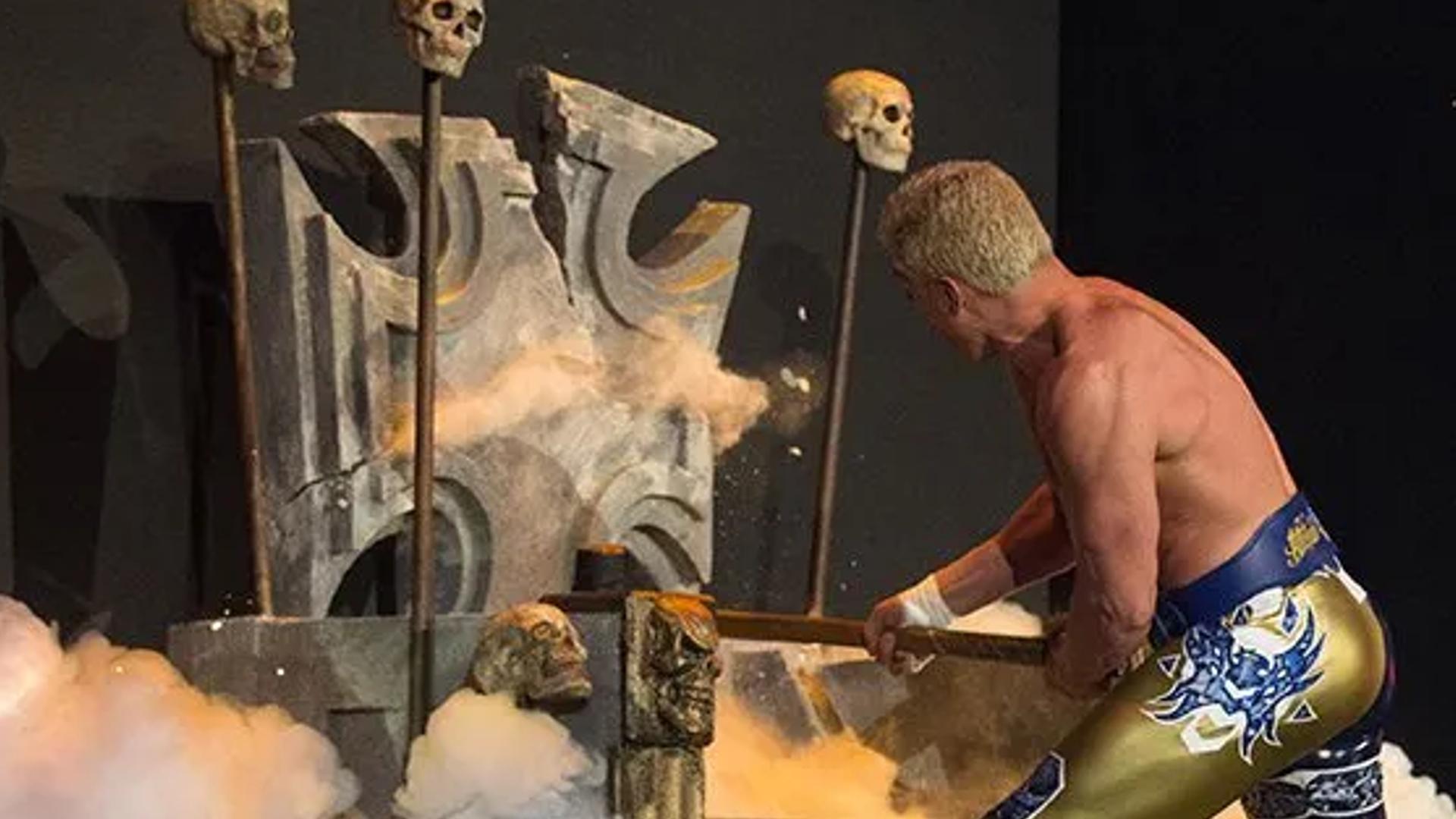
- Triple H is finally cool with Cody Rhodes smashing that throne in 2019
- WWE’s WrestleMania 41 card is currently at the mercy of the medical team
- 🏆 WrestleMania 41 — Full Coverage Hub