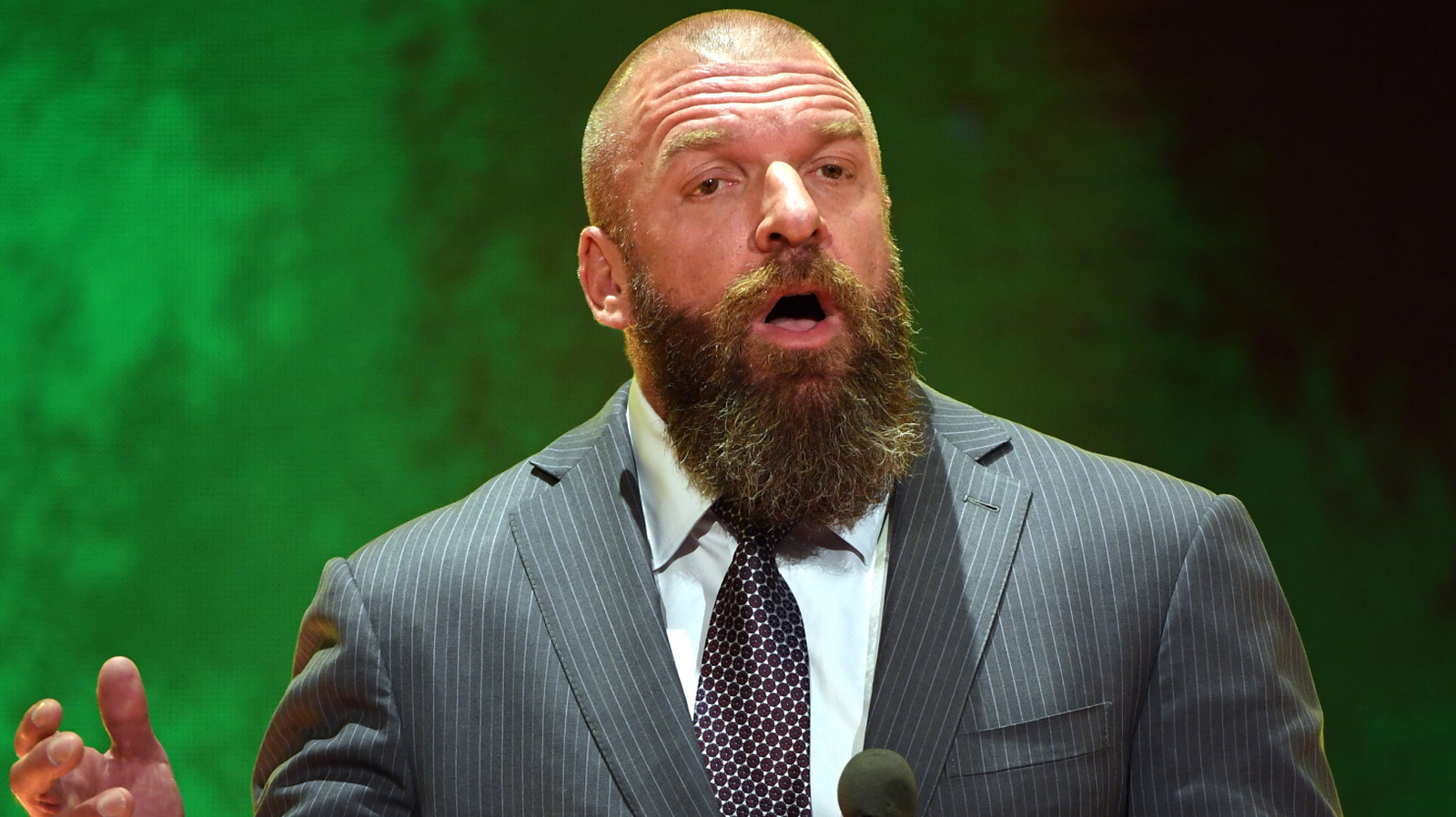
The new deal keeps the CCO in the chair
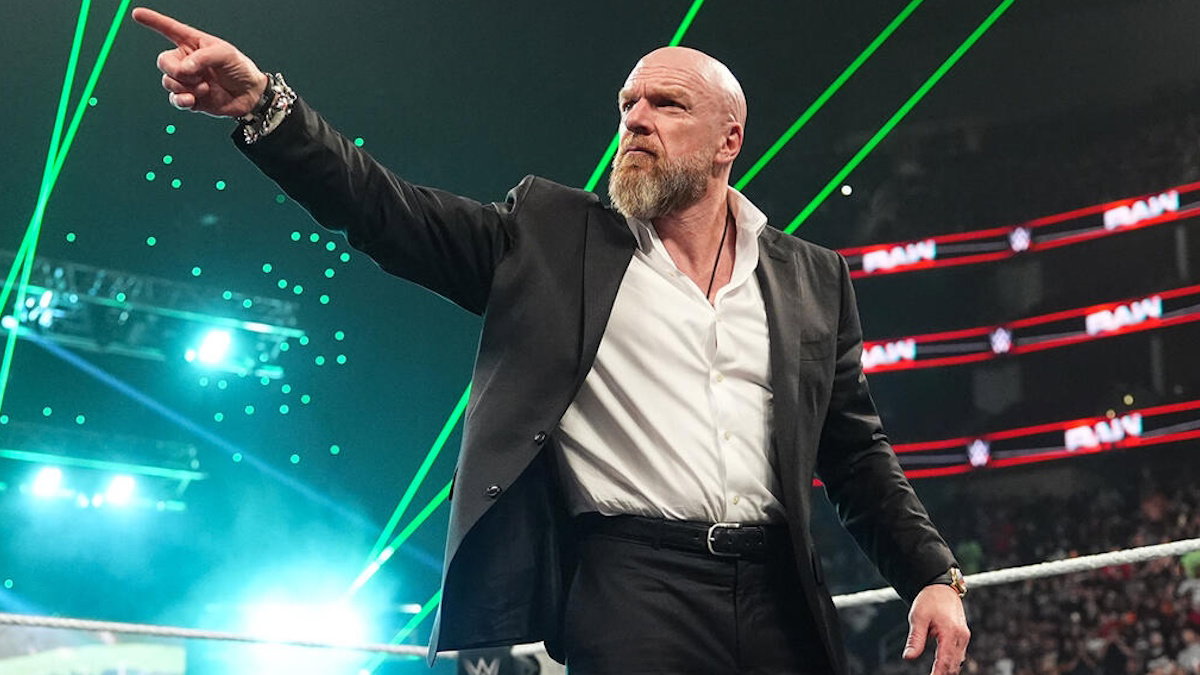
Paul Levesque has inked a fresh multi-year contract to remain the Chief Content Officer of WWE. This isn't just a administrative renewal; it cements the direction of the product for the next several cycles. Since moving into the lead creative role, the show has shifted toward longer-term narrative arcs and a distinct reliance on talent development pipelines that didn't exist a decade ago.
We are currently sitting in the shadow of recent reports regarding his contract status, and the implication is clear. The internal strategy involves maintaining consistency in the writers' room. Fans can expect fewer rapid-fire pivots in booking decisions as we head toward the mid-year pay-per-views. This stability is the primary objective for the front office.
The upcoming grind to Backlash
With WWE Backlash dropping on May 9, 2026, the creative team has less than two weeks to finalize the card geometry. Building momentum after a heavy spring schedule requires precise pacing. We saw this reliance on continuity recently, but there is an obvious vulnerability in the current booking: over-reliance on established factions can leave the mid-card talent looking inert.
If the storytelling doesn't inject fresh stakes into the peripheral belts, the audience will begin to tune out by the second hour of the broadcast. The pressure to maintain television ratings during this window is high. The 50 million streaming threshold for premium events acts as the primary benchmark for the promotion's current valuation. Maintaining that level of engagement requires more than just recurring top-tier matchups.
Defining success before the mid-year pivot
Levesque has managed to stabilize the transition from the legacy era to the current generation. However, the reliance on older stars to pop the quarterly numbers creates a ceiling for younger talent. If your entire hook revolves around performers who were household names in 2012, you are not building a sustainable future. He needs to transition the focus to the younger roster members who are technically ready but under-utilized in key spots.
Looking at the trajectory of the next few months, the focus will stay on internal talent growth. We are witnessing a clear attempt to minimize external risks by keeping the creative structure hermetically sealed. As we look ahead, the goalposts have moved from raw attendance to consistent monthly subscription retention. If Levesque hits his marks, the booking will look like a chess match; if he misses, it will look like a stagnant rerun.
The verdict on the road ahead
My call? This deal is a defensive move by corporate to ensure that the current creative direction remains undisturbed. They value the lack of friction in the daily operation more than they value experimental booking shifts. You should expect the product to remain predictable through the summer months, with a heavy emphasis on talent development that mirrors the internal performance metrics.
The risk remains that the show becomes too sterile, prioritizing execution over volatile, high-stakes storytelling. WrestleMania 42 talk is barred, and for good reason—Levesque needs to worry about holding this current audience through the summer doldrums first. Don't look for a massive creative overhaul before the fall. The ship is staying the course, for better or for worse.