The Bischoff hot take cycle is spinning at max capacity
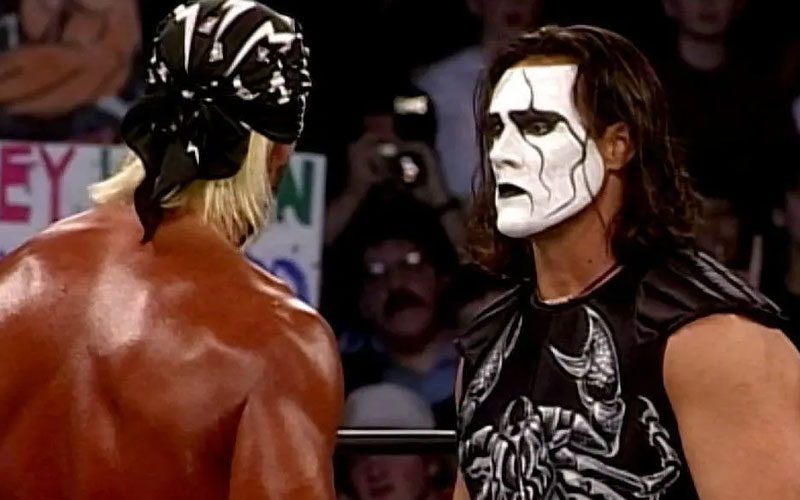
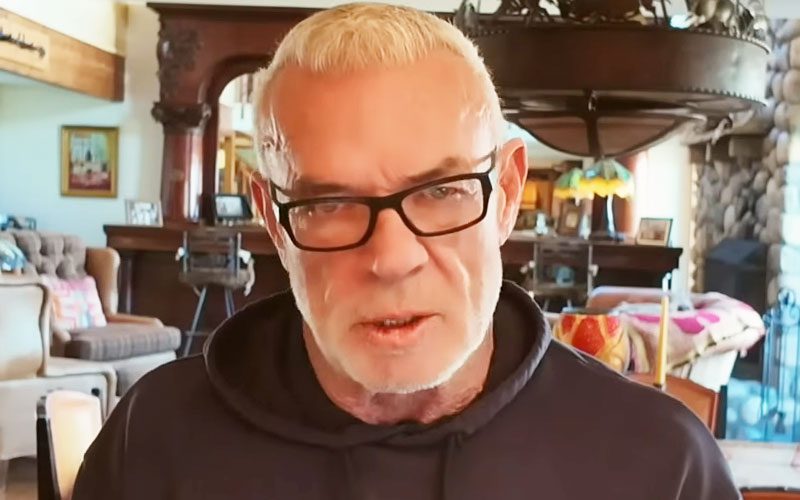
If you have spent any time on wrestling social media this week, you have inevitably seen Eric Bischoff dropping truth bombs like he is trying to hit a quota. From calling out the HLA storyline for being exploitative to dissecting the draining reality of managing egos like Hulk Hogan and Sting, the man is basically a one-man content generator. It is wild to watch a guy who was once the architect of WCW now acting as a professional wrestling commentator on his own past, all while we are sitting here waiting for the card for Backlash to actually firm up.
The community is split right down the middle, and honestly, the arguments are getting heated. You have the older guard who respects the insight into the chaotic 90s, and then you have the younger fans who view Bischoff as a relic who loves hearing his own voice. One Reddit thread perfectly captured the sentiment, with a user noting that “it is easy to look back and critique the booking choices when you are not the one currently responsible for keeping the lights on at Titan Towers.”
The Hogan and McMahon shadow hangs over everything
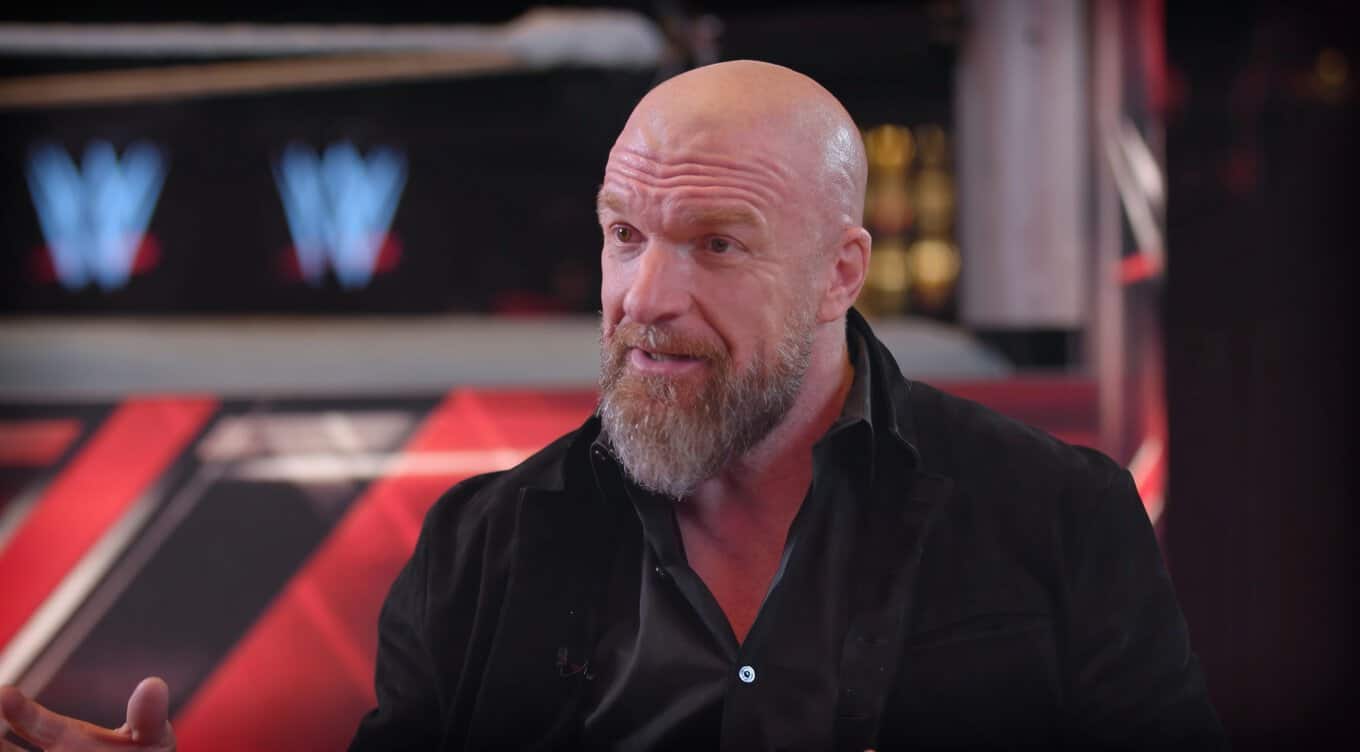
Nobody stays out of the headlines for long when Hulk Hogan is involved, and the recent discovery regarding Triple H firing Hogan after those 2015 comments has reignited the same tired, yet essential, debate. Fans are constantly analyzing whether the current WWE hierarchy is genuinely pivoting away from the sins of the past or just doing some aggressive housekeeping for the brand's optics. When news drops that new Vince McMahon footage is popping up in Netflix documentaries, it just proves that the shadow of that office is never going to fully leave the building.
I personally find the obsession with these behind-the-scenes power dynamics a bit tiring, but I get why people are hooked. It is like watching a soap opera where the writers have been replaced by C-suite executives who are terrified of their stock price. Some users are arguing that the constant focus on these historical figures is actually holding the product back. One prominent Twitter account claimed that “the more we talk about 1998, the less we actually pay attention to the in-ring work happening in 2026.”
The case of Pat McAfee and the modern celebrity critique
Then we have the Bischoff comments regarding Pat McAfee pulling out of appearances compared to the WCW days. The skepticism here is thick enough to cut with a knife. You have people genuinely annoyed that a guy like McAfee might skip a high-profile spot, while others are pointing out that the modern performer has a lot more leverage to protect their brand than a mid-carder in the Monday Night War era ever did. It is a fundamental clash of philosophies.
On one side, you have the "get in the locker room and pay your dues" folks. They believe professional wrestling is a sacred space that should not be treated as a side quest for internet personalities. On the other side, you have the business-literate fans who correctly point out that celebrity integration drives eyes to the product.
"It is the kind of classic, performative outrage that serves no one, yet we all click on it because we just cannot help ourselves when the names involved are this big."
My take? Bischoff is just playing the game he knows best. He knows exactly which buttons to press to get his own clips shared in group chats. Whether he is talking about the bizarre stuff Vince ordered with Stephanie or the exhaustion of juggling main event egos, he is ensuring his name stays in the algorithm rotations. It is cynical, sure, but it is also a masterclass in staying relevant long after your prime. 10 million subscribers isn't the goal—it’s about being talked about on the Tuesday after a big show. If we spent half as much time discussing the technical brilliance of a 15-minute opener as we do on these management horror stories, the community might actually be a happier place to hang out.