
WWE is betting big on the future with a flurry of new trademarks

The quiet machinery of professional wrestling
In the high-octane world of professional wrestling, the spectacle happens under the blinding glare of LED screens and pyrotechnics. But the real foundation of the industry—the stuff that keeps the TKO Group Holdings juggernaut humming—often happens in the sterile, windowless offices of the United States Patent and Trademark Office. This week, a fresh batch of filings has hit the public record, and they offer a fascinating window into where WWE sees its growth, its nostalgia, and its intellectual property strategy heading into the next fiscal quarter.
While fans are often preoccupied with the latest Cody Rhodes promo or the shifting landscape of the Bloodline saga, the legal team behind the scenes is busy securing the future. These five new trademarks aren't just bureaucratic red tape; they are the breadcrumbs that lead us to the next generation of character development and brand expansion.
Decoding the filings
The latest batch of filings covers a diverse range of interests, signaling that Triple H and his creative team are looking at both the long-term legacy of the company and the immediate needs of the NXT developmental pipeline. It is a balancing act that defines the modern era of the promotion.
The legacy play
It is no secret that WWE thrives on its history. By securing rights to names and catchphrases that have sat dormant for years, the company is effectively insulating its library from third-party exploitation. Whether it is an old Attitude Era stable name or a forgotten moniker from the territory days, these filings serve as a defensive wall around their most valuable asset: their history.
The value of an intellectual property in wrestling isn't just in the name itself, but in the emotional equity the audience has already invested in it.
The developmental pipeline
Perhaps more intriguing are the filings that seem to point toward new character identities for the Performance Center recruits. When a new name is trademarked, it is usually a sign that a breakout star is about to undergo a rebrand. We have seen this countless times before, where a generic independent wrestler sheds their past life to become a WWE-branded superstar. It is a process of refinement, stripping away the rough edges to create a marketable icon.
Why this matters for the fans
You might ask why a fan should care about a legal filing. The answer lies in the narrative. These trademarks represent the next six to twelve months of storytelling. They are the seeds from which the next WrestleMania main event will grow. When we see a name registered, we are seeing the company's commitment to a specific talent.
Consider the trajectory of a performer like Bron Breakker or Tiffany Stratton. Their rise was not accidental; it was a carefully orchestrated campaign supported by the protection of their brand identity. These new filings suggest that the company is preparing to launch a new wave of talent, or perhaps a massive re-packaging of existing stars who have stalled in their current roles.
The strategic landscape
It is important to view these moves through the lens of the current corporate structure. Under Endeavor, the focus is on efficiency and maximizing the value of every single intellectual property. There is very little room for wasted effort. If a name is being trademarked, there is almost certainly a plan to put it on a t-shirt, a video game character, or a streaming service thumbnail within the year.
- Brand Protection: Preventing third-party squatters from holding names hostage.
- Merchandising: Laying the groundwork for future revenue streams.
- Character Development: Giving performers a fresh start with a clean slate.
- Nostalgia Mining: Revitalizing classic brands for modern consumption.
- Global Expansion: Ensuring international rights are secured for upcoming tours.
The road ahead
As we look toward the upcoming premium live events, it is worth keeping an eye on these names. Will we see a surprise debut at SummerSlam? Will a veteran performer return with a classic, re-trademarked persona? The beauty of the wrestling business is that it is a constant cycle of renewal.
The industry is currently in a state of hyper-evolution. The competition for eyeballs has never been fiercer, and the importance of owning one's own narrative—and the names that define it—has never been higher. By securing these trademarks now, WWE is ensuring that they remain the undisputed market leader, regardless of what the competition throws at them.
Ultimately, these legal filings are a reminder that professional wrestling is a business of perception. By controlling the names, the history, and the future identities of their stars, WWE continues to shape the reality that we, the fans, consume every single week. Whether these specific trademarks lead to a massive cultural shift or just a few new merchandise items, they are the quiet, essential heartbeat of the industry.
Read Next
Funko Pop! WWE: Cody Rhodes (American Nightmare)
Bring the American Nightmare to your desk.
Frequently Asked Questions
Why does WWE file new trademarks for old names and catchphrases?
What do new trademark filings reveal about WWE's developmental pipeline?
How do trademark filings impact future WWE storylines?
Who is responsible for the company's intellectual property strategy?
Why is intellectual property considered a valuable asset for WWE?
More Coverage
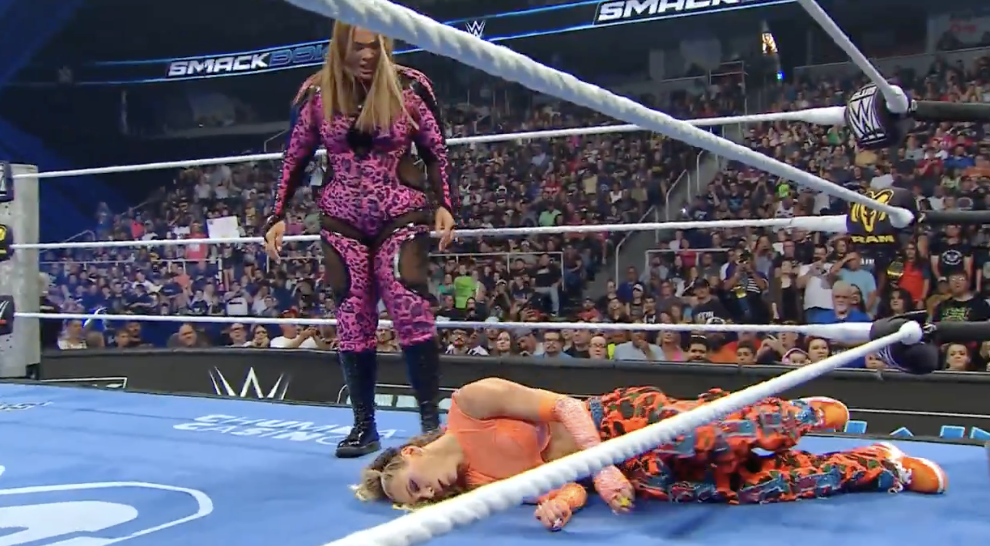
Smackdown's booking is becoming a repetitive struggle
4 hours agoWhen Ozzy wasn't looking: The weirdest wrestling crossover of the year
8 hours ago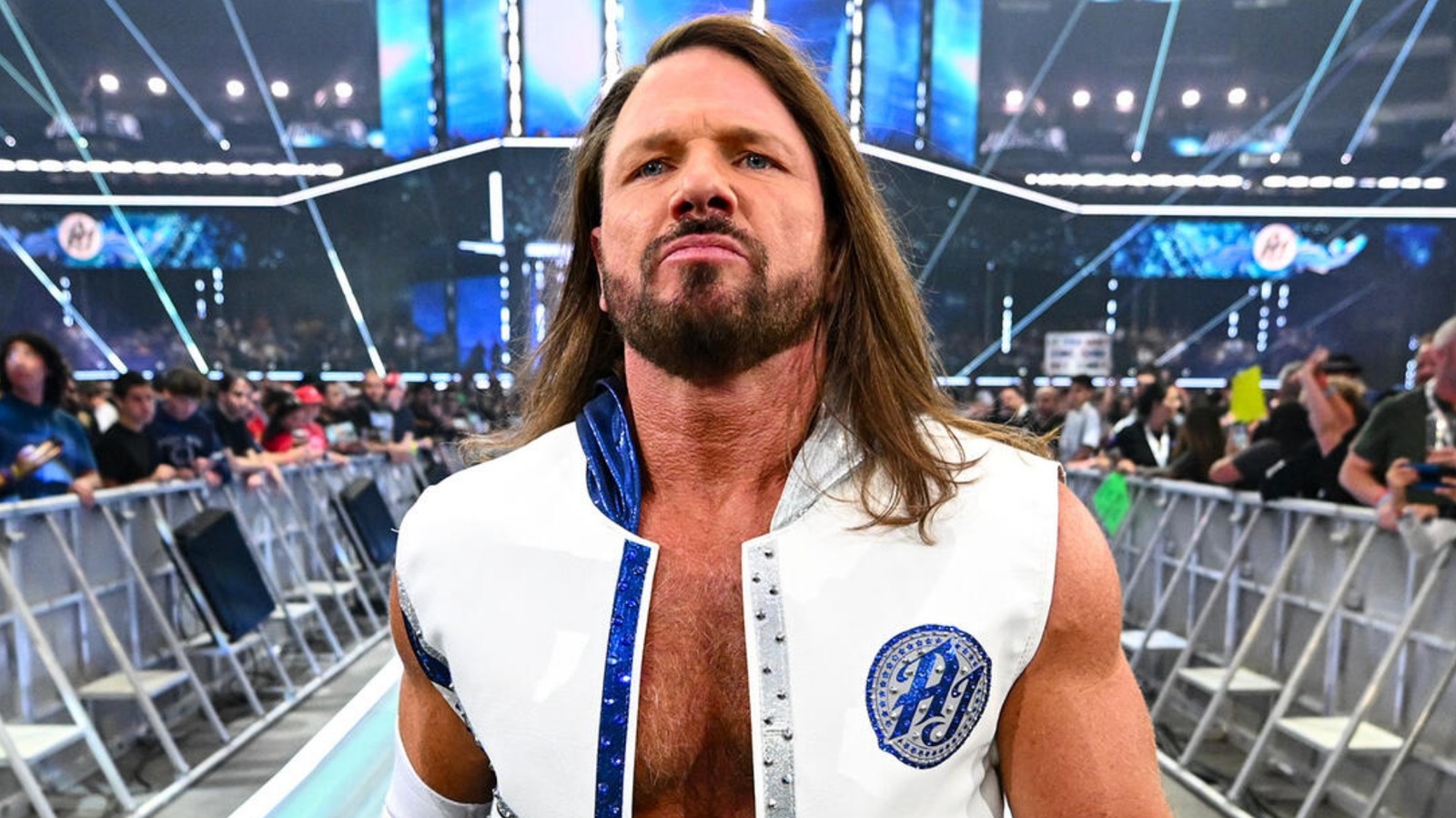
AJ Styles is reflecting on his legacy while others look elsewhere
8 hours ago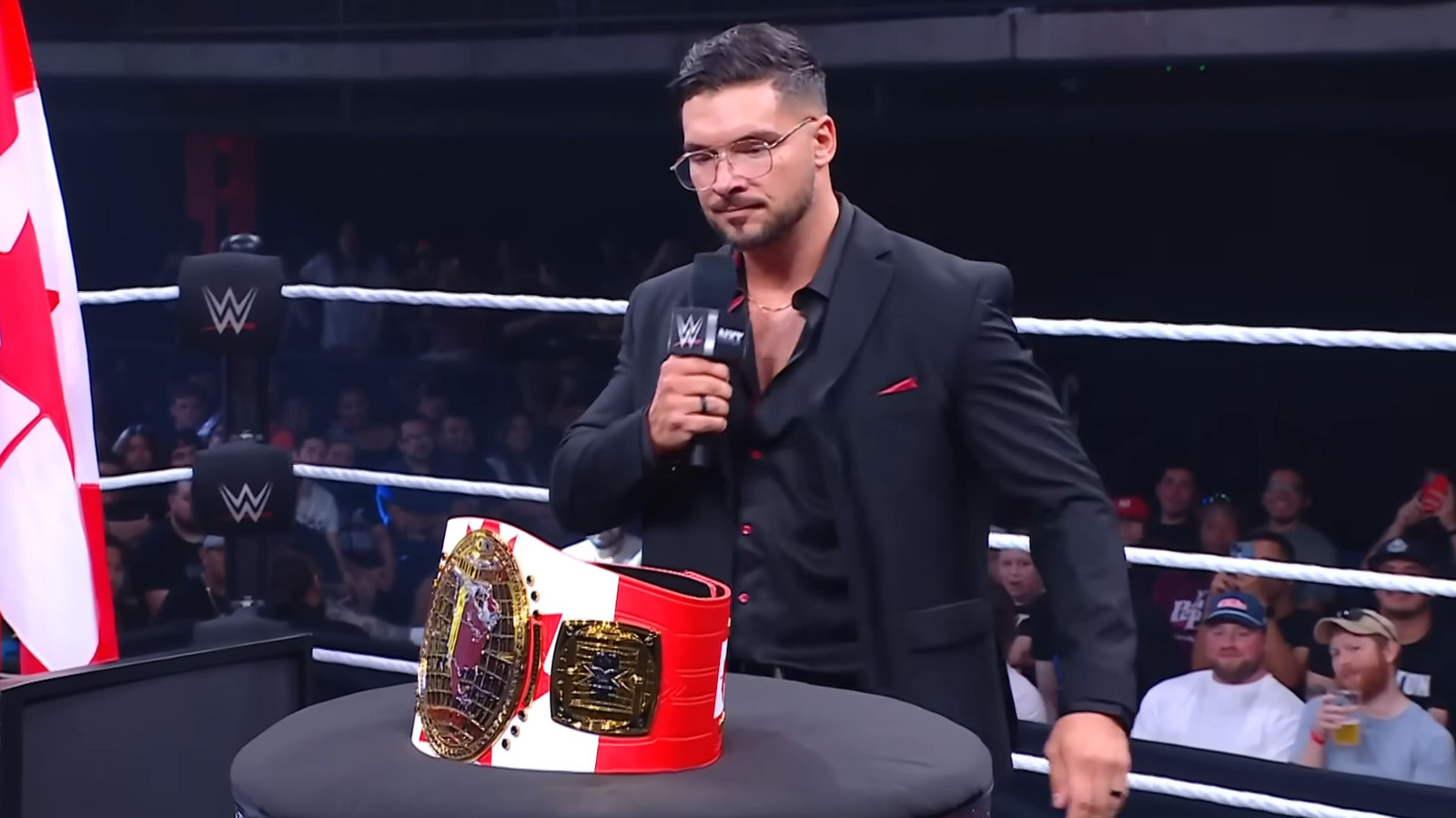
Ethan Page is playing a dangerous game with his ego in NXT
8 hours ago
Ethan Page says his custom NXT title was the real top prize and fans are split
8 hours agoGear Check: Sorting the Must-Haves from the Merch Table Filler
9 hours agoMore Match Reports
WWE trademark filings suggest a summer of brand identity shifts
3 months, 2 weeks ago
WWE's trademark machine is churning out names faster than talent can use them
3 months, 4 weeks ago
Top 10: The Most Calculated Trademark Moves in Modern Wrestling
1 month, 4 weeks ago
WWE's trademark machine is churning out names faster than talent can debut
3 months, 4 weeks ago
Trademark wars are the new arena for wrestling's biggest names
3 months ago