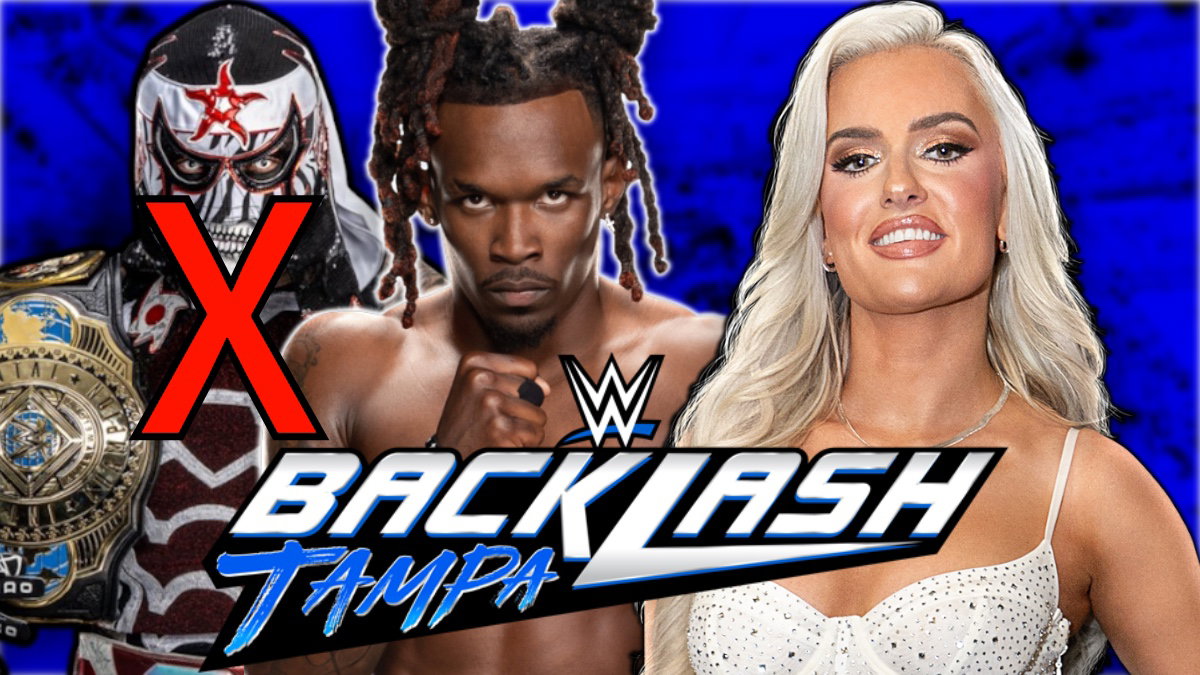
The road to May 9th hits a snag
The build toward Backlash on May 9th has been characterized by a noticeable lack of narrative direction in the mid-card. While the main event picture remains tight, the undercard suffers from an inconsistent pacing that feels like a vestige of last year's creative fatigue. We are less than two weeks out, and the secondary titles feel like afterthoughts tacked onto a supercard.
This isn't an issue of talent, but of booking bandwidth. When the promotion dedicates three full segments to contract signings, the technical wrestling suffers. Fans want to see sequences like the 14-minute technical clinic we saw at the last premium live event, not another round of talking heads in suits.
The infrastructure of the mid-card
Smart money focuses on the logistical challenges of modern booking. As recent inquiries into club management suggest, the best results come from local, grassroots engagement rather than top-down mandates. WWE has spent too much time iterating on the same corporate format while ignoring the raw energy that the audience is actually demanding.
The current reliance on 20-minute opening promos is a tax on the viewer's patience. It burns through time that should be allocated to tag-team psychology or high-flying spots. If you ask a fan in the nosebleeds, they aren't paying for another corporate memo. They want to see someone get hit with a chair.
What to watch for at Backlash
- The tag team chemistry shifts: Recent pairings have felt forced, lacking the organic flow seen in the classic eras of the industry.
- The pacing disparity: Expect massive time gaps between the marquee matches and the filler bouts.
- Referee positioning: If the officiating at Backlash mimics the botched finishes of last month, the crowd intensity will crater by the 15-minute mark.
The cold reality of the main event
Corporate spending at the high levels of media mirrors the bloat we see in the promotion's current storytelling. There is a disconnect between the resources available and the product delivered on screen. Just because you have the budget for 40 billion dollars in compute doesn't mean you know how to write a compelling three-act wrestling story.
The booking team has painted themselves into a corner. By failing to establish clear, linear threats to the top champions, they’ve turned the main event into a binary question rather than a competitive contest. It creates a predictable outcome where the viewer already knows the winner before the bell rings.
Prediction: A messy middle
I predict that Backlash will be a technical success but a narrative failure. The in-ring work will consistently exceed a 4-star rating on the usual fan scales, yet the post-match angles will leave the audience frustrated and confused. The bookers are obsessed with the 'moment' rather than the 'story'.
Expect the main event to clock in at exactly 28 minutes, including three interference spots that dilute the finish. It will look pretty on social media clips, but it won't move the needle for the long-term health of the division. This is a stop-gap show, designed to keep the shareholders happy while the creative team desperately searches for a new spark.
Read Next
- WWE Backlash booking needs to avoid the trap of sentimentality
- The post-Backlash power vacuum is becoming a nightmare for WWE creative
- Kairi Sane isn't going anywhere and that changes the women's title picture
- WWE Backlash is begging for a reality check in Tampa
- 💥 WWE Backlash 2026 — Full Coverage Hub