The Featherweight King's Lightweight Beef
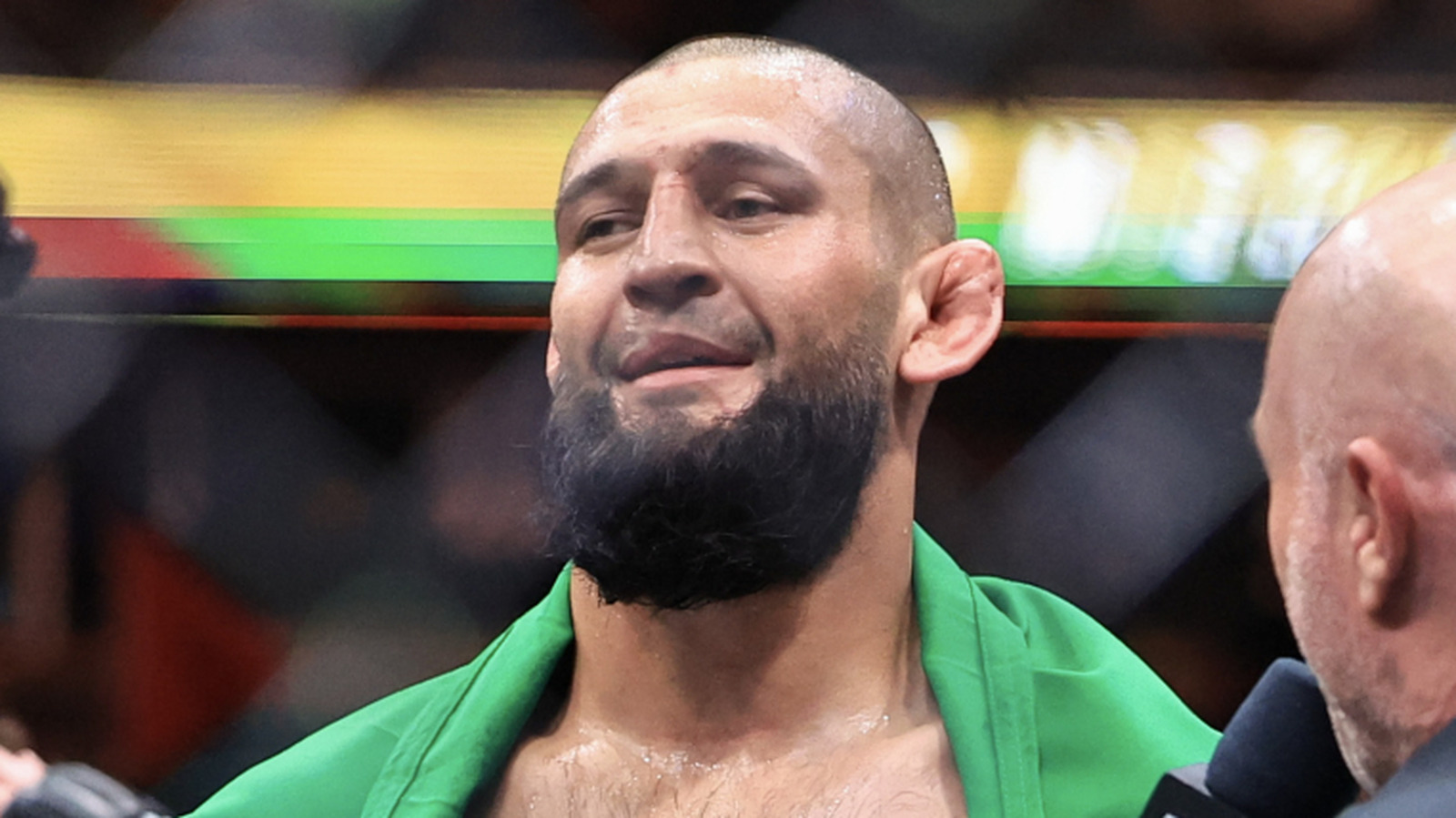
Ilia Topuria, the UFC’s new Featherweight Champion, is not a man wasting time. He’s also not a man interested in the contenders of his own division. Fresh off his spectacular knockout of Alexander Volkanovski, Topuria is already picking fights with the division above him. His latest target is top lightweight contender Arman Tsarukyan, a man Topuria recently, and bluntly, described as being “dumb as f***.”
It’s the kind of quote that makes headlines. It’s also the kind of matchmaking that makes you question the meritocracy of the entire promotion. Topuria holds the 145-pound belt, yet he seems determined to start feuds with 155-pounders like Tsarukyan and the champion, Islam Makhachev. The strategy is obvious: chase a second belt, emulate Conor McGregor, and cash the biggest possible checks. It’s a path the UFC has not only allowed but actively encouraged in the past.
The problem is, it creates a logjam. What about the actual featherweight contenders? Brian Ortega and a deserving Volkanovski are waiting for their shot, but Topuria is busy playing fantasy matchmaker. One source article even incorrectly labeled Topuria the 'Lightweight Champion' while reporting on his comments, a mistake that perfectly mirrors the confusion he himself is creating by looking past his own weight class before he’s even recorded a single title defense. It’s a bad look for a new champion, and a frustrating one for the division he’s supposed to be ruling.
A System That Breaks Its Stars
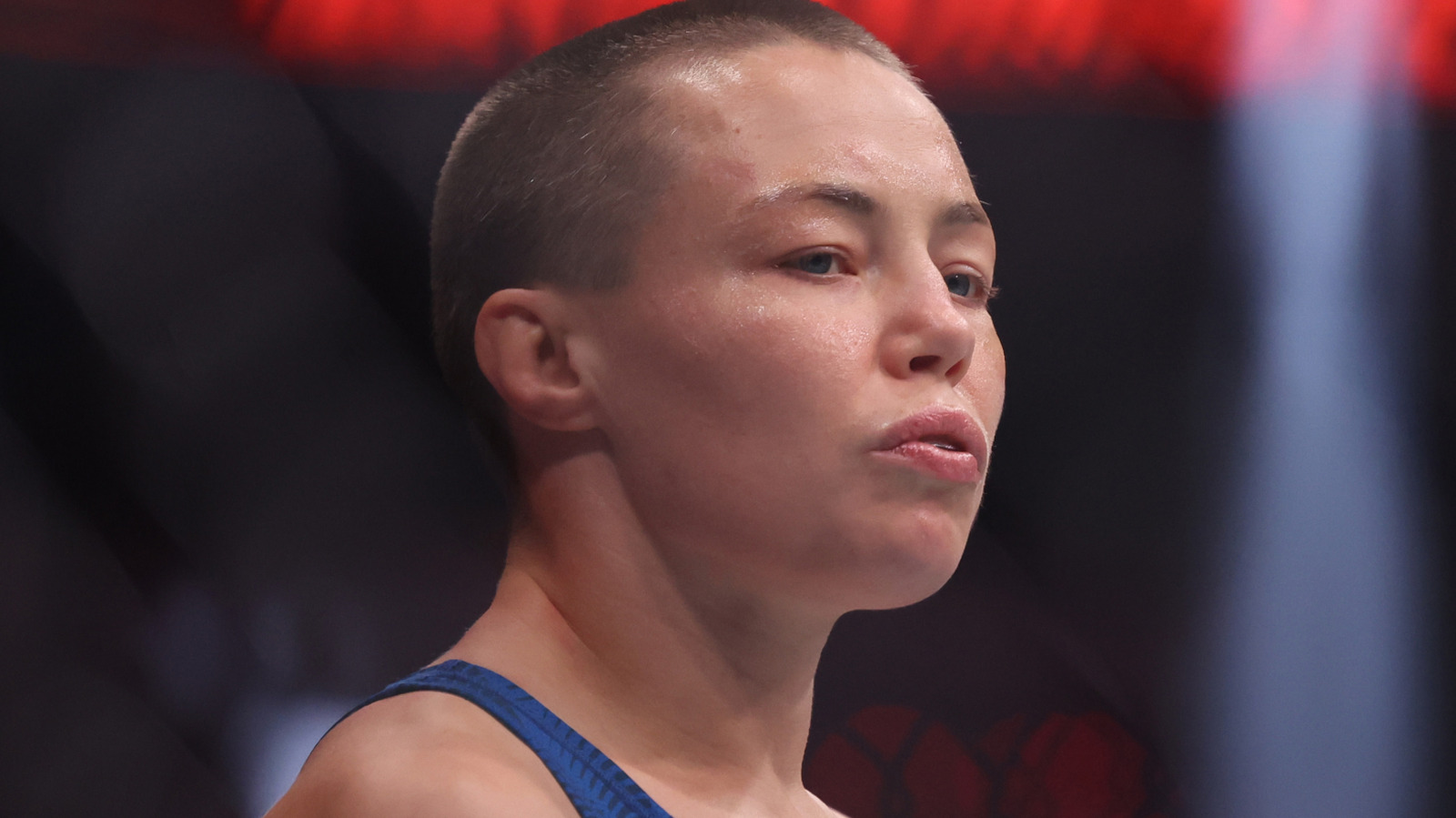
While Topuria plays games with weight classes, other fighters are dealing with the brutal, physical costs of the sport. Former two-time Strawweight Champion Rose Namajunas just provided an update on her recent eye surgery. The injury, and the subsequent procedure, has her calling for significant changes to the rules regarding eye pokes.
She’s right to complain. For years, the eye poke has been the most frustrating and damaging foul in mixed martial arts. It’s a lazy, illegal technique that goes chronically under-punished by referees and has directly impacted the outcome of numerous high-stakes fights. A point deduction is rare, and disqualifications are almost unheard of unless the fighter is rendered unable to continue. The result is a tacit acceptance of a foul that can, and does, permanently alter careers.
That one of the most technical and respected fighters in the sport’s history has to put her career on pause because of this systemic failure is an indictment of the UFC and the athletic commissions that govern it. Namajunas, a fighter who has given fans countless memorable moments, is sidelined not by a clean punch or a slick submission, but by a recurring failure of the ruleset itself. As she recovers, the question remains: how many more careers will be threatened before the promotion takes it seriously?
The Uncomfortable Handshakes
As if matchmaking chaos and safety debates weren't enough, the UFC is once again finding itself uncomfortably close to global politics. A report surfaced this week that a sitting UFC champion was among a group of athletes awarded a state decoration by Vladimir Putin at the Kremlin. The report itself was vague, lacking the specific name of the champion involved.
This ambiguity is almost as telling as the event itself. In the current geopolitical climate, a prominent athlete from a major American sports promotion accepting an award from the Russian head of state is, to put it mildly, a complicated look. The UFC has long prided itself on being a global sport that transcends national politics, but that line is becoming impossible to hold. It signs fighters from all over the world, and with them come their national identities and, sometimes, their political allegiances.
By not commenting, the UFC seems to be hoping the story fades into the background. It wants the global reach without the global responsibility. But as the sport grows, these uncomfortable intersections will only become more common. An apolitical stance is a political stance in itself, and the promotion is learning that it cannot control the narrative when its champions are shaking hands with the world’s most controversial leaders.
Prediction: More Chaos Ahead
None of these issues are going away. They are symptoms of the UFC's core philosophy: spectacle over sport, revenue over rules. So here is a prediction for the remainder of 2026. Ilia Topuria will get his wish and fight for the lightweight title without a single defense of his featherweight belt, leaving the 145-pound division in a state of frustrated paralysis.
The calls for better eye poke solutions will grow louder, especially after another high-profile main event is marred by one, but no meaningful changes will be implemented. The technology exists—different glove designs have been proposed for years—but the will to force a change is absent. Expect at least one title fight to end in a No Contest due to a poke before the year is out.
And finally, the UFC will continue its tightrope walk with politics, ignoring inconvenient stories until a major sponsor or broadcast partner forces its hand. The promotion is not in the business of geopolitics; it's in the business of selling fights. As long as these issues don't hurt the bottom line, they will be treated not as problems to be solved, but as noise to be ignored.