The Hierarchy of Violence
The UFC remains a cold, calculated meritocracy where marketability often clashes with raw skill. As of April 2026, the power dynamics at the top of the food chain are as volatile as ever. We are looking at the fighters who define the current climate, balancing championship prestige with the kind of outside-the-cage headaches that keep media relations departments working overtime.
1. Ilia Topuria
Topuria currently sits on the throne of the lightweight division, and he does it with a terrifying lack of filter. He is not just fighting opponents; he is actively trying to dismantle their professional reputation before the cage door even closes.
His recent comments regarding Paddy Pimblett—suggesting the Brit needs to die and be born again—show a champion comfortable in the role of the villain. He is equally dismissive of divisional threats, recently labeling Arman Tsarukyan 'dumb as f***'. Topuria ranks first because his trash talk is backed by an undefeated resolve that defines the current lightweight era.
2. Khamzat Chimaev
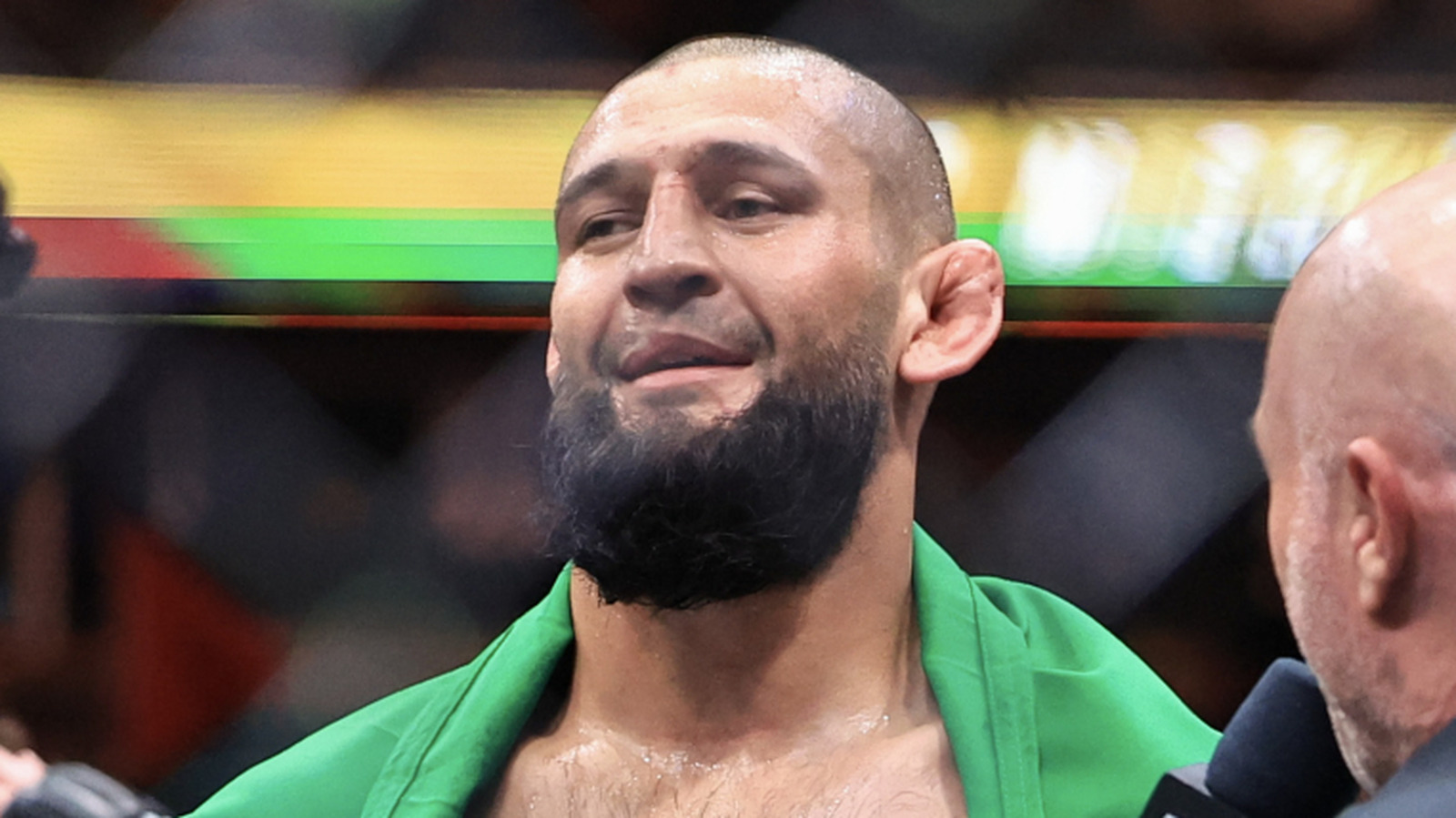
Chimaev is a singular force inside the cage, though his extracurricular interests are now shifting the needle in combat sports. By signing with Eric Bischoff's RAF, he is blurring the lines between pure MMA and professional entertainment, a move that either signals a new crossover pioneer or a dangerous distraction from his middleweight title goals.
Ranked second because his physical dominance remains undeniable, even if his focus is now split across two industries. If Chimaev can juggle the RAF responsibilities without losing a step in the octagon, he stays at the top. Any slip in his next title defense will see him slide rapidly.
3. Islam Makhachev
Makhachev operates with a quiet lethality that feels increasingly rare in the modern UFC. He doesn't need to engage in mud-slinging contests to keep his standing. He lets his pressure-heavy grappling and improved striking do the heavy lifting.
The issue remains his activity level, which has become a point of frustration for fans waiting for him to clear out the remainder of the lightweight contenders. He holds the third spot because, while he is arguably the most skilled fighter in the promotion, he lacks the sheer gravitational pull of Topuria or the chaotic allure of Chimaev.
4. Jon Jones
Jones remains the immovable object of the heavyweight division, even as his aura of invincibility faces constant strain from his own inactivity. He is the standard by which all heavyweights are measured, regardless of his status as a part-time participant.
He ranks fourth because he is the historic heavyweight king, but his legacy is marred by long absences and scheduling uncertainty. He needs a marquee fight in late 2026 to silence critics who argue he is just holding up the division's progress.
5. Arman Tsarukyan
Tsarukyan is the most dangerous shark in the lightweight water, but he is currently stumbling in the public relations department. His recent removal from an American Airlines flight at LAX became a massive, unnecessary distraction that prompted an official statement from the carrier.
He sits at fifth because he has all the tools to climb higher, but he needs to stay out of the headlines for the wrong reasons. His aggression inside the cage is elite, but he is currently known more for airline scuffles than for championship-level performances.
6. Sean O'Malley
The bantamweight champion serves as the primary example of the 'marketability over merit' debate. He draws numbers that make other champions sweat, effectively dictating his own path through the division.
He is ranked sixth because his defensive wrestling vulnerabilities are still a glaring flaw awaiting exposure by a high-level grappler. He plays the game perfectly, but he is one bad night away from his entire narrative falling apart.
7. Alex Pereira
Pereira is the pure chaos factor of the light heavyweight division. He finishes opponents with singular shots, often ending fights before the judges have even settled into their chairs. He is the ultimate action fighter, but his limited grappling defense remains a critical weakness that a disciplined opponent can exploit.
8. Zhang Weili
Weili carries the strawweight division on her back with an intensity that matches her technical depth. She is a relentless volume striker with a rapidly evolving submission game. The only knock against her is the lack of a clear, transcendent rival to push her into the mainstream stratosphere.
9. Merab Dvalishvili
Merab is the most frustrating opponent in the promotion because he simply never stops moving. His pace is a weapon that breaks opponents mentally by the end of the second round. He lacks the knockout power to be higher on this list, but his consistency is unmatched.
10. Max Holloway
Holloway gets the final spot on pure heart and longevity. While he is no longer the perpetual champion, he remains the gatekeeper who tests the legitimacy of every rising prospect. He is the bar for 'greatness' in the featherweight category even if he is starting to show the wear and tear of a decade of wars.
Honorable Mentions
- Leon Edwards: Needs to be more active to regain his status as a pound-for-pound favorite.
- Tom Aspinall: The most well-rounded heavyweight not named Jon Jones, but waiting for his shot has stalled his momentum.
- Dricus du Plessis: An unconventional champion whose style defies traditional logic but works remarkably well.