The metrics driving the industry
Television consumption is currently fluxing as major promotions adjust their narratives ahead of May pay-per-view shifts. These rankings prioritize sustained reach and demographic trends over single-night anomalies.
1. WWE SmackDown
Despite recent reporting from F4WOnline, SmackDown remains the undisputed heavyweight of wrestling reach. The flagship show commandingly dwarfs all secondary programming even when ratings dip. Their hold on the Friday night consumer base is too deep to challenge.
2. AEW Collision
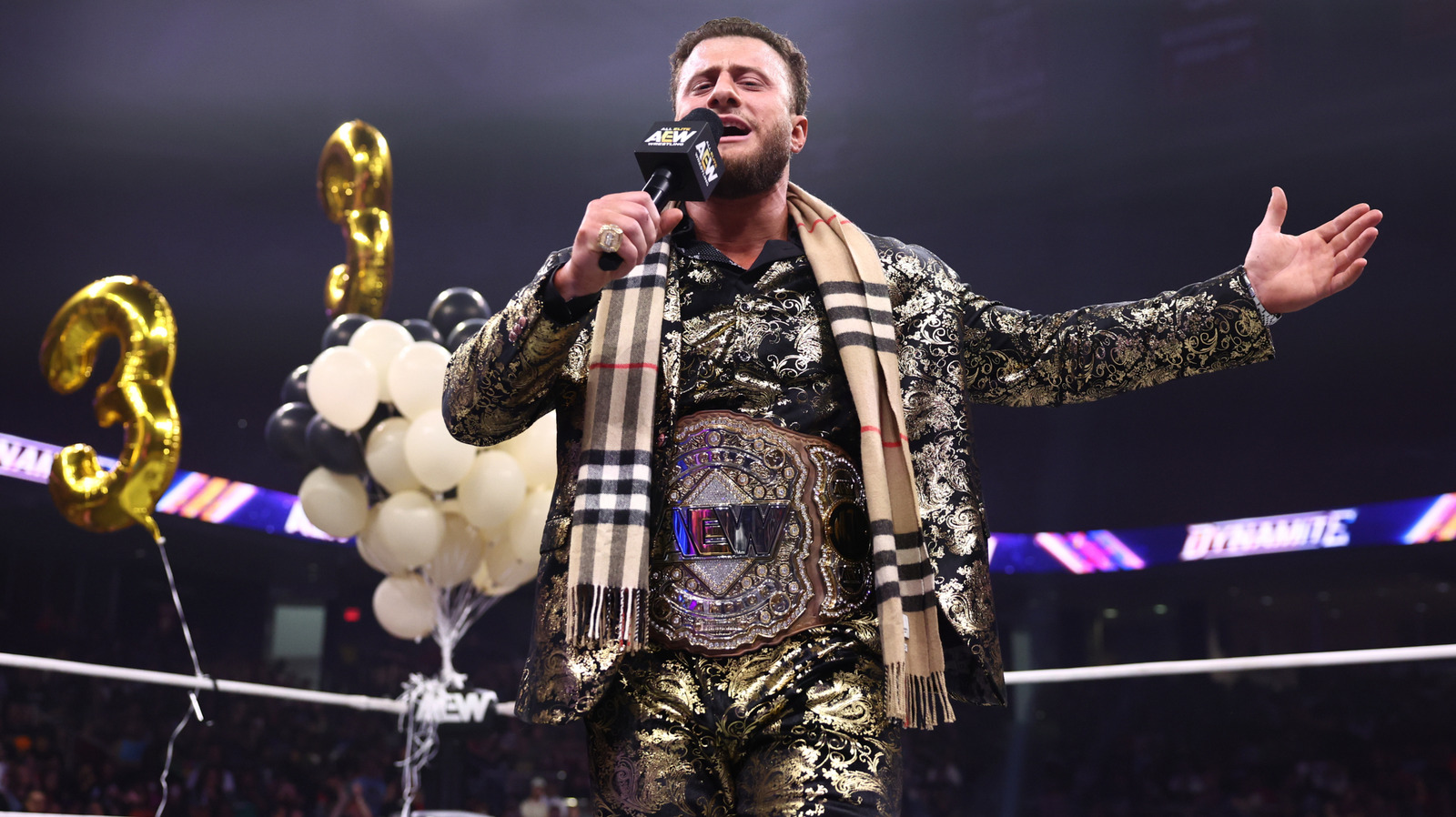
The growth of the younger demographic is undeniable even as F4WOnline notes overall viewership struggles. The pivot toward younger viewers shows the brand is sticky with core fans who skip linear TV for other content. It deserves the second spot for proving intent matters more than reach.
3. TNA Impact
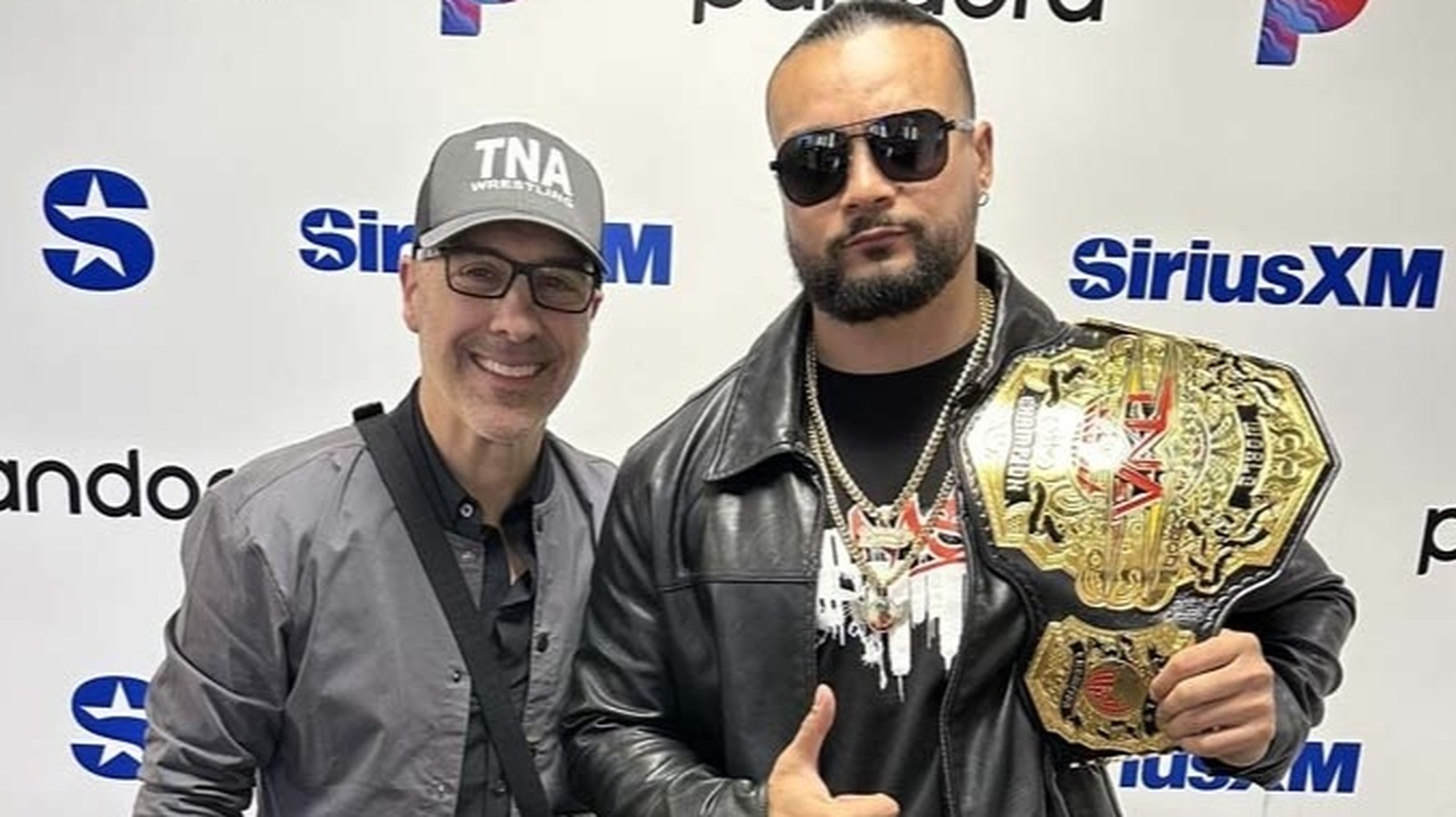
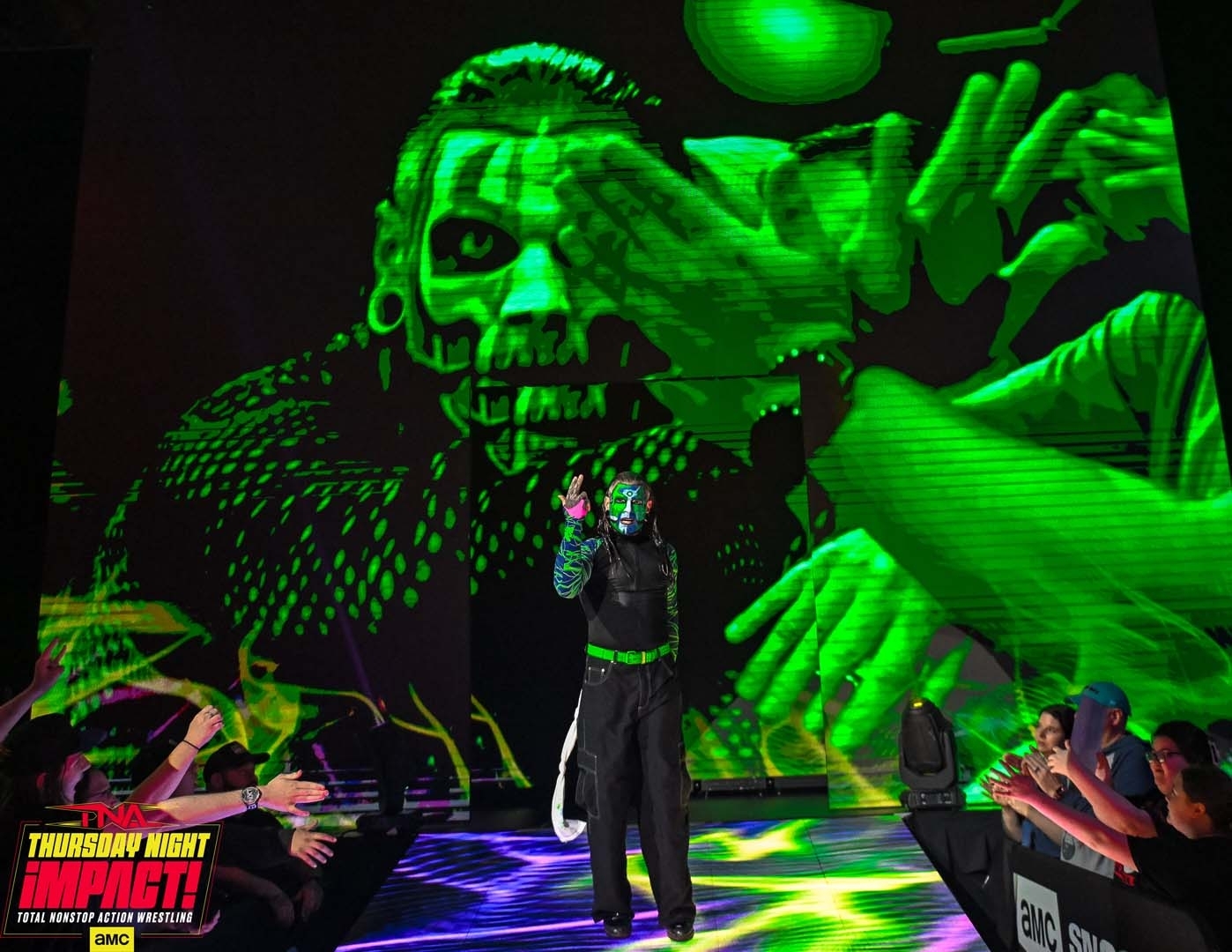
Steady performance is rare in this market. Recent metrics confirm Impact is gaining ground with a stable 18-49 rating per F4WOnline reporting. They are maximizing their audience size relative to their production investment.
4. Friday Night AEW Collision
The specific May 2 show faced significant hurdles as noted by PWInsider. While the numbers were soft, the show serves as a necessary anchor for the weekend block. It ranks here because it functions primarily as a bridge for weekly storytelling rhythm rather than a viewership juggernaut.
5. Raw Brand Programming
Monday nights remain a high-traffic environment for WWE, though consistency currently falters. The bloated runtime often creates segments that bleed audience numbers by the third hour. They survive on legacy reach alone.
6. NXT Developmental
The audience here is highly concentrated and consistent. It is a lower volume product, but the churn is minimal compared to main roster shows. This provides a reliable baseline for the network partners.
7. ROH Independent Broadcasts
Ring of Honor functions as a niche utility player in terms of raw viewership. They capture the hardcore fan base with precision but lack the mainstream penetration to rank higher. The conversion from AEW crossover is hit-or-miss.
8. NJPW World Content
Consumption here is fragmented across various platforms and time zones. They maintain a loyal domestic base, but accessibility remains their greatest hurdle for growth. Unless they simplify the viewing experience, their domestic footprint will remain capped.
9. MLW Programming
MLW provides a gritty alternative but suffers from inconsistent scheduling. Viewers struggle to follow the product when the time slot or platform shifts frequently. They need stability to climb above their current ceiling.
10. Regional Indie Spotlights
These shows are the lifeblood of the sport but register almost zero impact on national Nielsen numbers. They matter for talent scouting but are irrelevant to the industry viewership war. They round out the list for their sheer volume of production despite the lack of scale.
The reality check
The industry is currently facing a contraction in linear television loyalty. While WWE retains the lead, their drop in 18-49 stats proves that no program is bulletproof against cord-cutting. AEW must decide if they prioritize total reach to please partners or niche engagement to build future legends. TNA is playing the smartest game, focusing on stability over erratic growth. If promotions ignore these trends, they risk a permanent decline in leverage during next cycle broadcast negotiations. The audience isn't vanishing, but they are becoming increasingly selective about which two hours of their week they sacrifice to professional wrestling.
Honorable Mentions
NWA Powerrr holds a dedicated, albeit small, audience that rarely fluctuates. GCW events see spikes in digital viewership but struggle with day-to-day engagement metrics. These two occupy the space below the top 10 as they exist almost entirely outside the traditional television model.