The Big Picture: Corporate Efficiency vs. Creative Equity
WWE enters the spring of 2026 facing a stark conflict between its financial reporting and its performance quality. Management’s strategy to tighten the balance sheet is directly clashing with the long-term morale of the roster.
The Ranking: WWE's Current Reality
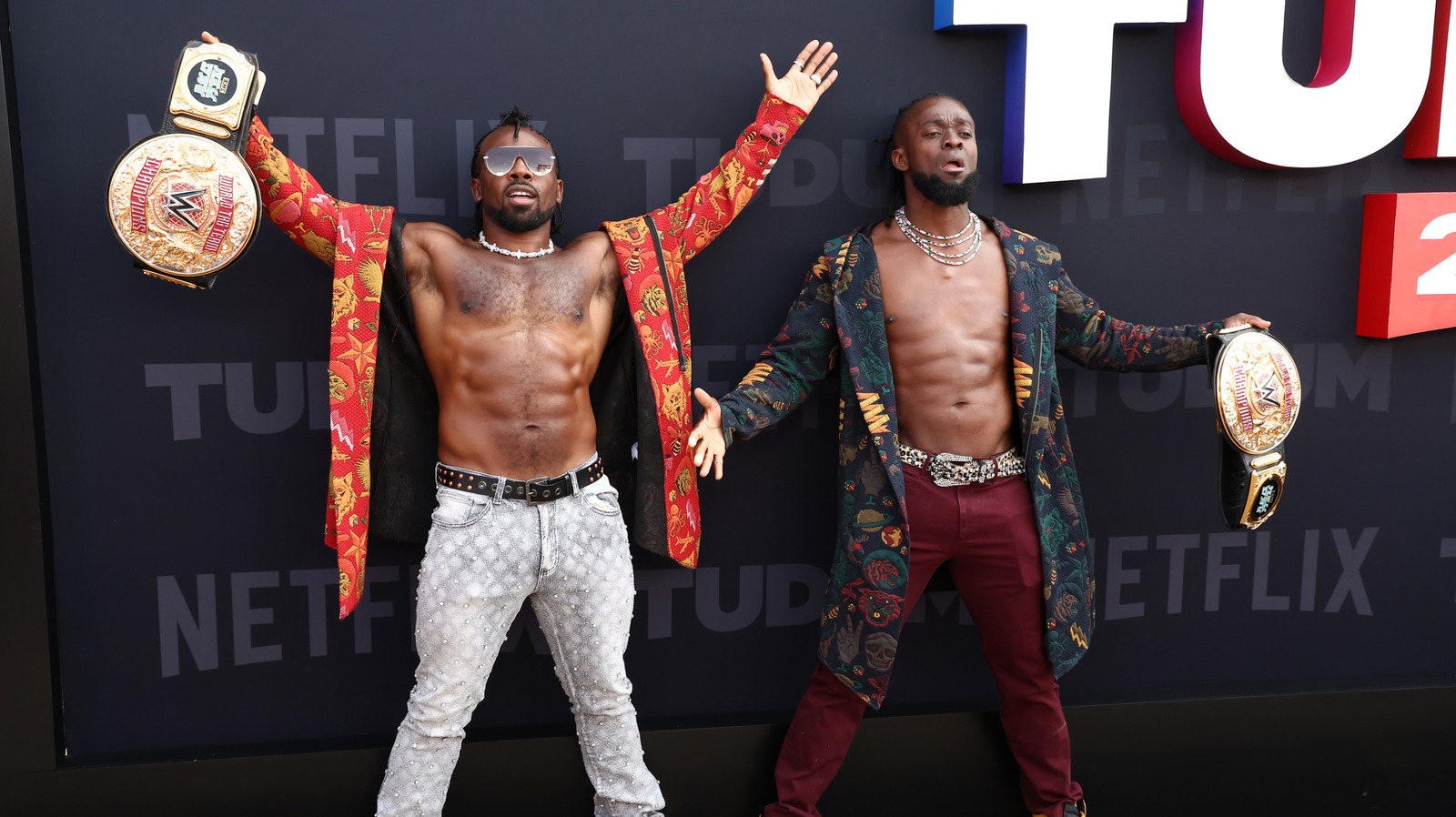
1. The New Day Departure. Kofi Kingston and Xavier Woods leaving the promotion is arguably the most significant roster shift in years. Their exit represents the end of a core building block that spanned over a decade. Fans are still reeling from a departure that initially included plans for a joint statement before things devolved.
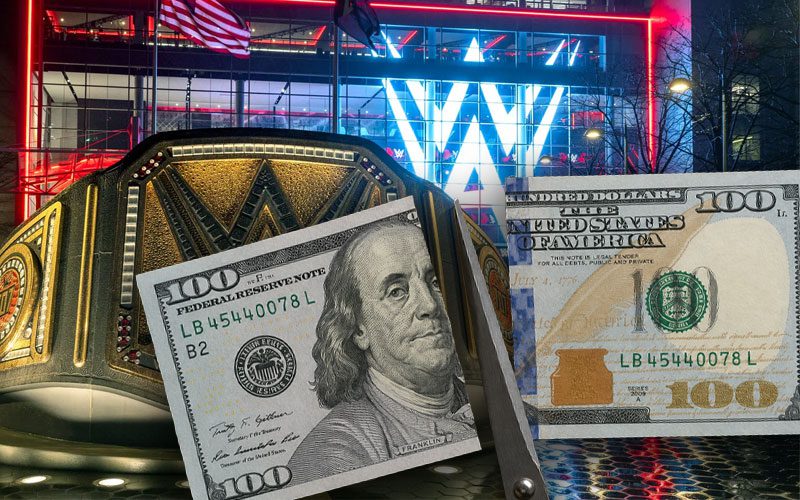
2. Salary Compression. WWE’s internal mandate for talent to accept pay cuts has altered the leverage dynamic in the locker room. This policy has created a friction point with veteran acts who base their value on high-level merchandise performance. It is a cold business move by the front office that ignores the individual contributions of these performers.
3. Talent Retention Crisis. The recent wave of releases has thinned the mid-card talent pool significantly. While the promotion claims this streamlines operations, the loss of experience makes the product look hollow. It is difficult to maintain depth when reliable workers are viewed primarily as line-item expenses.
4. The Backlash 2026 Buy-in. With the event scheduled for May 09, 2026, the stakes for viewership are high. Investors are watching to see if the recent departures have soured the audience’s appetite for premium live events. The company needs a strong turnout to negate the headlines surrounding recent backstage cuts.
5. Creative Direction Drift. Without long-term mainstays like The New Day, the writers are scrambling to fill significant screen time. This often leads to repetitive booking and short-term payoffs that lack emotional resonance. Long-term storytelling suffers when the roster is in constant flux.
6. Merchandise Revenue. The pivot to cost-cutting seems to overlook the fact that the talent being cut often carries the brand’s highest sales figures. When a performer like Kingston exits, the instant drop in associated licensing revenue is immediate. Management should have recalculated before initiating these aggressive board-room decisions.
7. Internal Morale. Sources indicate that the atmosphere in the locker room is guarded. When management asks established stars to work for less, it triggers a defensive posture among the younger talent. Security in one’s position is now non-existent across the board.
8. The Social Media Reaction. Public sentiment is reflecting a specific kind of frustration with the current transition. Fans are vocalizing their displeasure, as BodySlam.net noted, the anger is genuinely palpable across community forums. Social media engagement often mirrors the quality of the weekly product.
9. Television Contract Leverage. The company is leaning on its current media rights to maintain its valuation. However, the viewership numbers for secondary programming remain flat. They need to show growth to justify the high subscription prices fans pay.
10. The Talent Pipeline. The developmental system is now the only way to replace the departed veterans. Relying exclusively on prospects is a risky move that could alienate long-term viewers who prefer star power over potential. It is an unproven strategy for sustaining a multi-billion dollar entity.
Honorable Mentions
The rise of independent promotions picking up released WWE talent is the top trend to watch. These smaller companies are acting as a safety net for quality workers. While WWE focuses on its 2026 budget, competitors are building their own rosters with the rejects. It is a classic move that often comes back to haunt current market leaders.