The State of the Screen
Viewership in professional wrestling is currently defined by a sharp divide between the industry giants and the smaller promotions struggling for space. As we track the numbers through late May 2026, the data confirms that momentum is a fragile resource in cable television.
The Rankings
1. WWE SmackDown
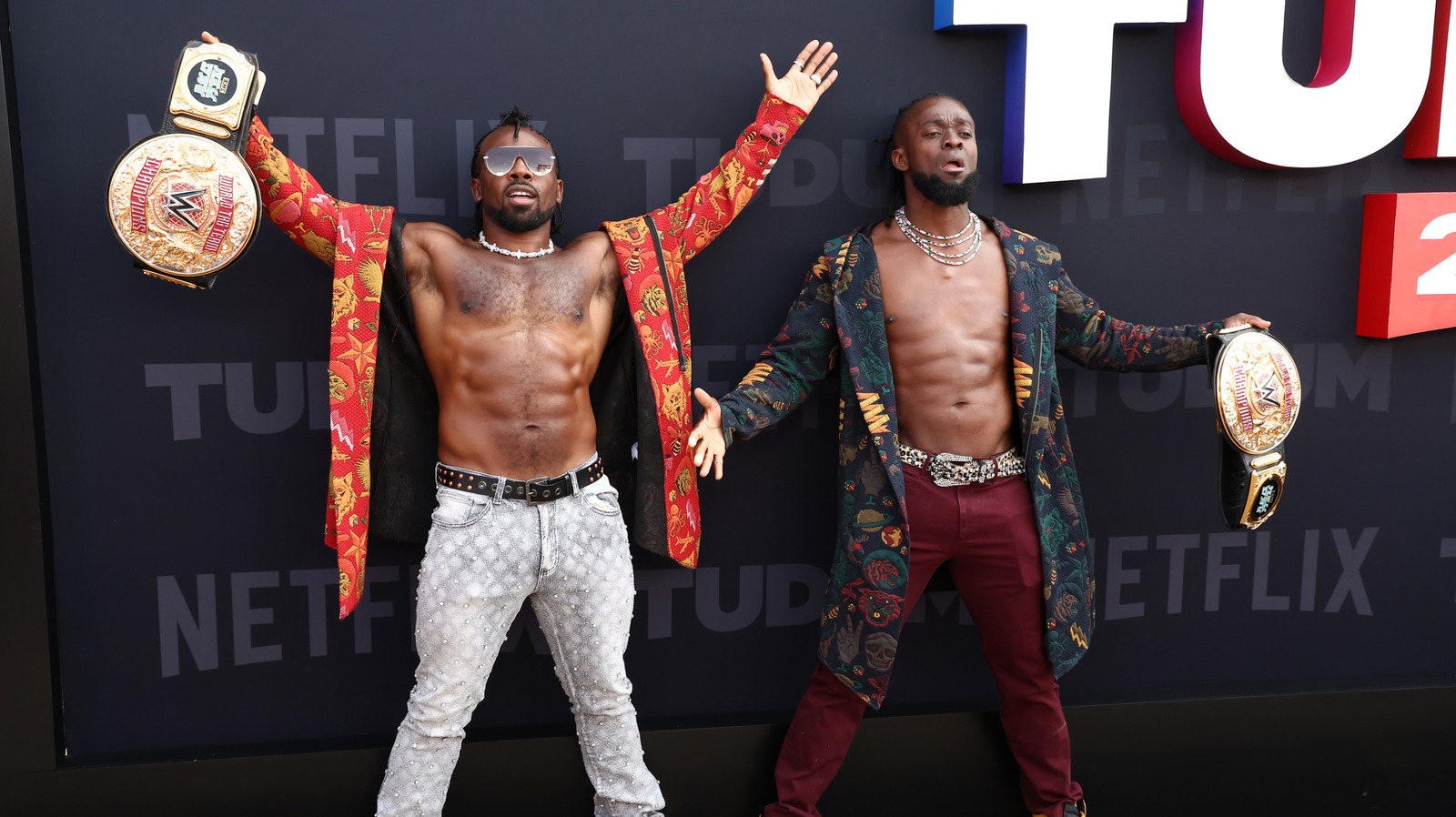
SmackDown remains the clear leader in the industry by a significant margin. The show posted consistent week-over-week growth as of the May 22, 2026 report, proving that their storytelling cadence works. Building anticipation for Saturday Night's Main Event kept eyes on the product in a way smaller shows simply cannot replicate.
2. WWE Monday Night Raw
Raw occupies the second spot purely due to its massive three-hour window and cultural inertia. While the pacing often stalls in the second hour, the brand value remains untouchable compared to the rest of the field. Without a massive shakeup, they maintain this position by default.
3. AEW Dynamite
Dynamite sits comfortably at three, acting as the primary alternative for a sophisticated, if sometimes stagnant, audience. They command a reliable base that keeps them out of the danger zone. However, their reliance on a specific type of match structure often leads to predictable ratings plateaus.
4. AEW Collision
Collision earns this spot by successfully carving out a weekend identity on Saturday nights. It lacks the massive reach of Dynamite but serves a dedicated subset of fans. They have avoided the cratering numbers seen by competitors in similar time slots.
5. NXT
NXT provides a stable training ground that consistently punches above its weight. By blending established stars with rising talent, they attract a loyal viewership that follows the brand rather than individual names. It remains the most logically booked show in the WWE fold.
6. AEW Rampage
Rampage is the definition of a "swing" show that relies on lead-ins from other programming. When the stars align, the ratings are acceptable for a late-night slot. Too often, however, it feels like a secondary thought in the promotional cycle.
7. TNA Impact
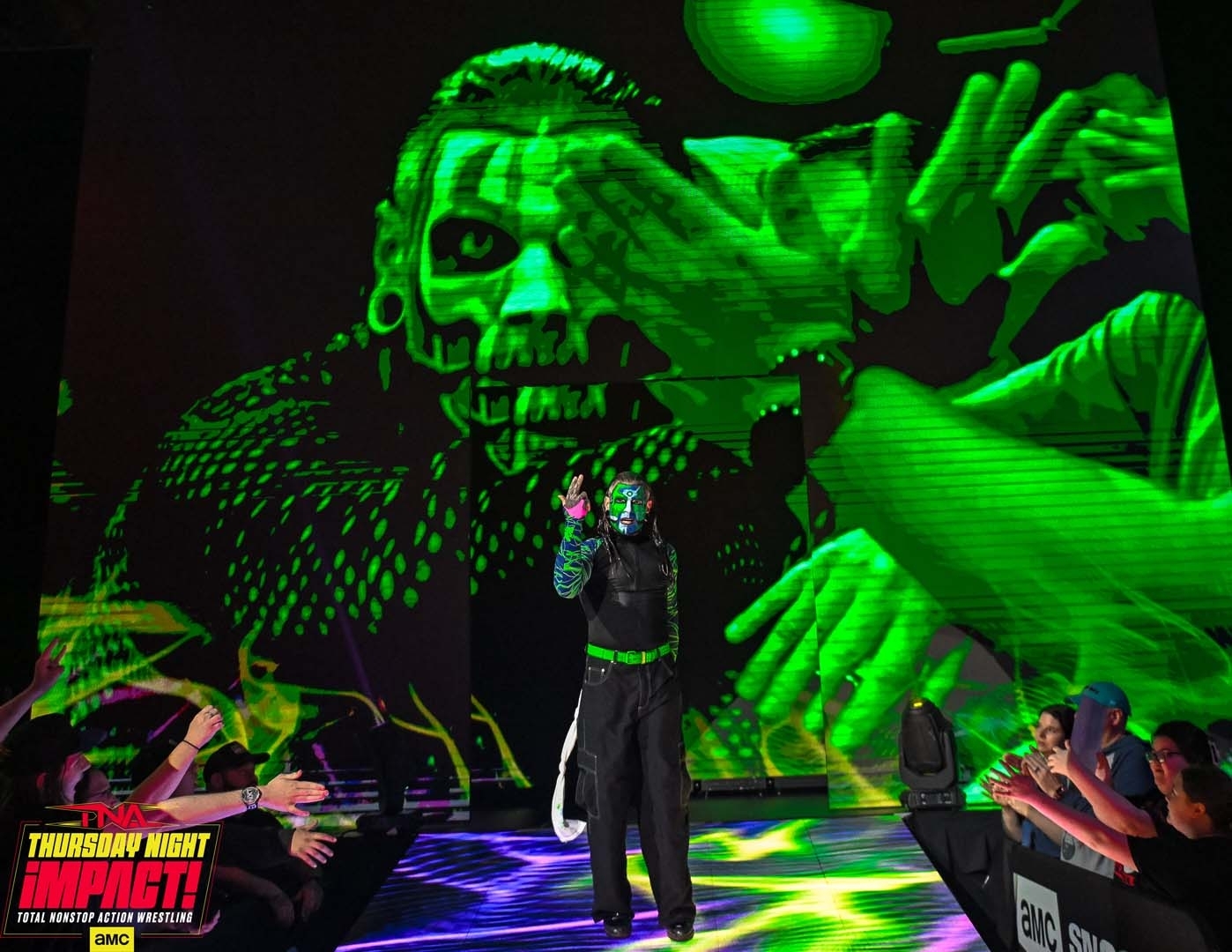
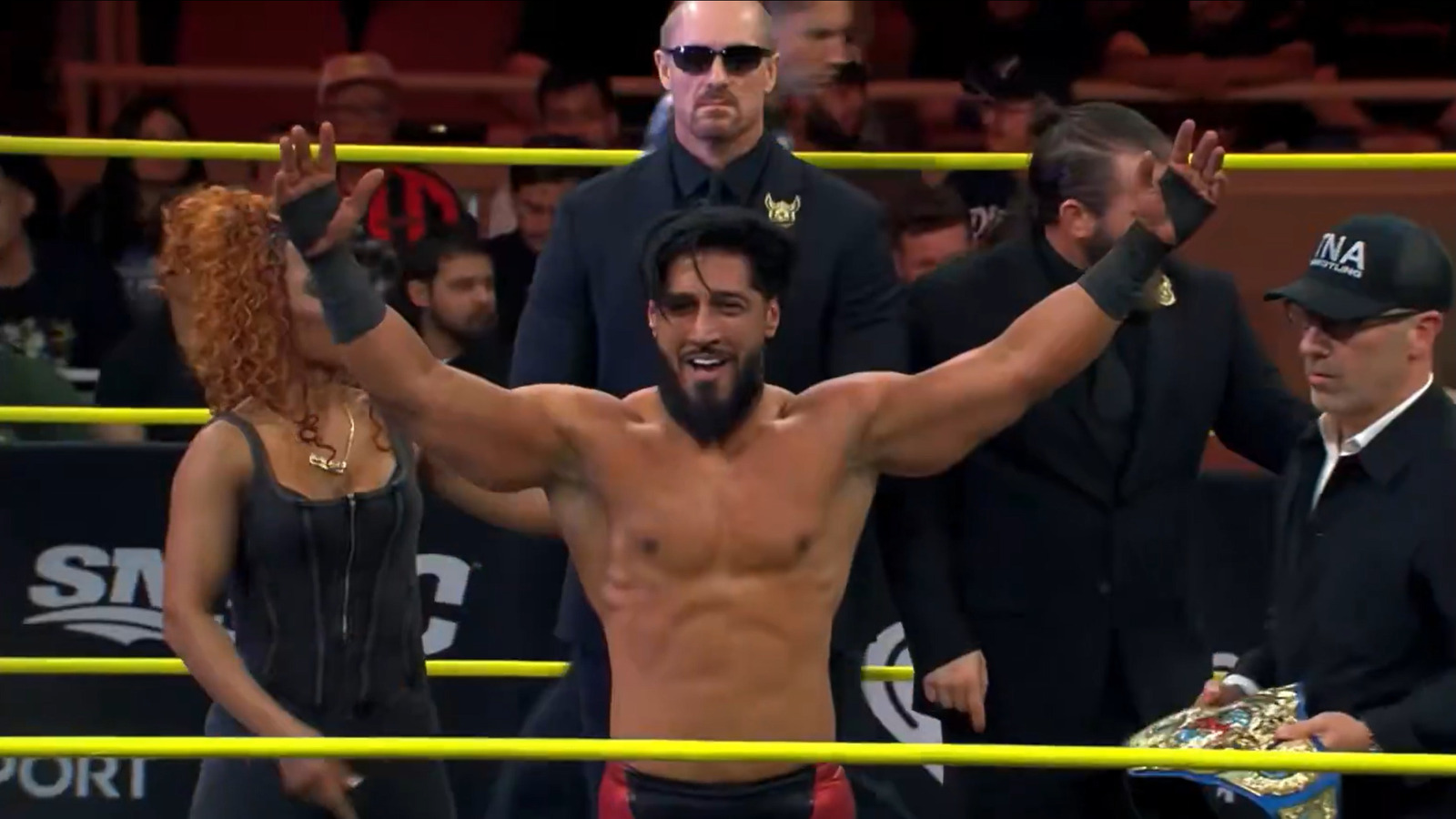
The latest data from TNA impact viewership reports highlights a concerning slide, as May 21 marked one of their lowest totals of the year. This represents a failure of the current booking to hook casual viewers for the weekly 2-hour broadcast. They are currently struggling to justify their position on the schedule.
8. MLW
MLW operates in a niche space that favors quality over high-volume numbers. They rank here because they do not have the resources to compete with the top seven, yet they maintain a distinct identity. Their growth is slow, but they rarely suffer the embarrassing drops seen elsewhere.
9. NWA
The NWA has struggled to find a consistent television home that draws meaningful eyes. The lack of mainstream visibility keeps them tethered to the bottom of the list. They are currently a regional player attempting to force a national identity.
10. GCW
GCW rounds out the list, focusing on streaming metrics rather than traditional linear television. While their impact on the industry is large, their "viewership" is fragmented and difficult to measure against standard cable ratings. They exist on the fringe by choice, not by lack of effort.
The Final Verdict
The chasm between the top two spots and the rest of the field is widening. As evidenced by the surge leading into recent WWE SmackDown numbers, promotions that lean into premium live event build-ups are the ones winning the war for eyes. Conversely, TNA is currently in a defensive crouch as they attempt to regain momentum with this week's card, according to the latest TNA IMPACT preview. The lesson is undeniable: content matters, but promotion for what is next keeps the cable boxes turned on.
Honorable Mentions
ROH remains a difficult entity to rank due to the nature of its digital-only distribution model. Additionally, CMLL and NJPW generate significant international interest that our domestic cable-focused analysis mostly ignores. Both promotions would likely jump into the top five if global viewership metrics were the standard.