Defining the Industry
Wrestling history is a collection of fleeting seconds that altered business trajectories forever. These moments represent the intersection of raw athleticism and savvy booking, cementing legacies while sometimes exposing the brutal economics behind the curtain.
The Rankings
1. The Montreal Screwjob, Survivor Series 1997. This remains the gold standard for blurring the line between reality and scripted theater. By ringing the bell on Bret Hart while he was in his own Sharpshooter, Vince McMahon birthed the Mr. McMahon character and ignited the Attitude Era. It ranks first because no other event forced the entire world to question what was real.
2. Hulk Hogan turns heel, Bash at the Beach 1996. When Hogan dropped the leg on Randy Savage to join the Outsiders, it destroyed the most iconic babyface run in history. The sheer volume of trash thrown into the ring by fans validated the decision immediately. It sits second only because the Screwjob had more long-term political ramifications for the power structure of the industry.
3. Mankind wins the WWF Title, January 4, 1999. Tony Schiavone famously spoiled the result on Nitro, which inadvertently sent half a million viewers to watch Foley’s crowning moment on Raw. It was the peak of the Monday Night Wars. The eruption of the crowd in Worcester is simply unmatched to this day.
4. Stone Cold Steve Austin refuses to submit, WrestleMania 13. The blood streaming down his face while held in the Sharpshooter by Bret Hart is the definitive image of the mid-to-late 90s. Austin didn’t need the belt to get over that night, proving that charisma beats titles. It set the stage for the biggest money-drawing run in company history.
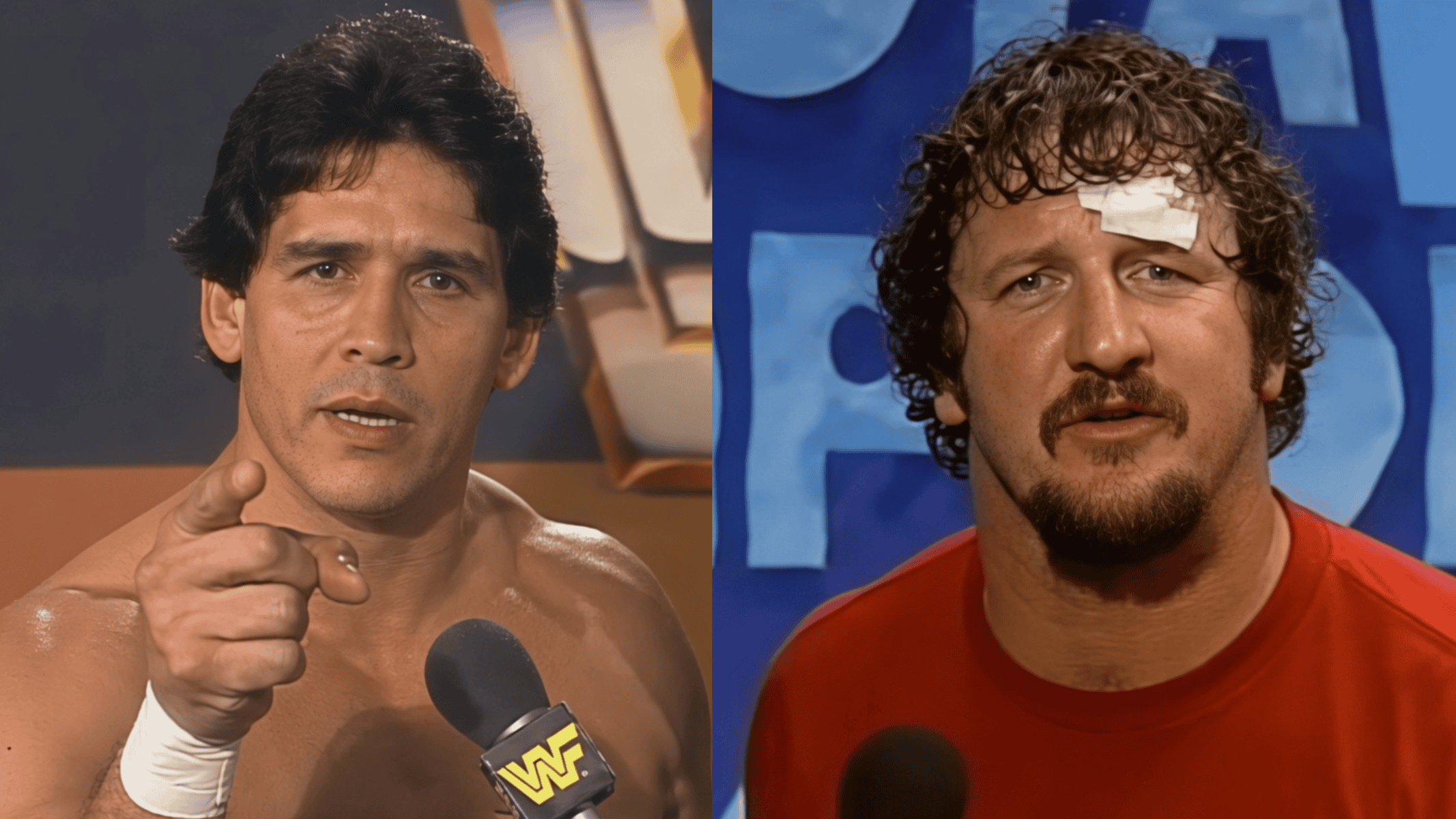
5. Terry Funk saves Tito Santana’s career. Before the glitz, wrestling was a grind defined by guys driving 300 miles to clear a -$10 profit after gas costs, as recently highlighted regarding Tito Santana's early struggles. Funk’s mentorship wasn't just a locker room story; it kept a top-tier worker in the business when he was ready to quit. Without this quiet act of professional grace, we lose a decade of high-level ring work from a Hall of Fame talent.
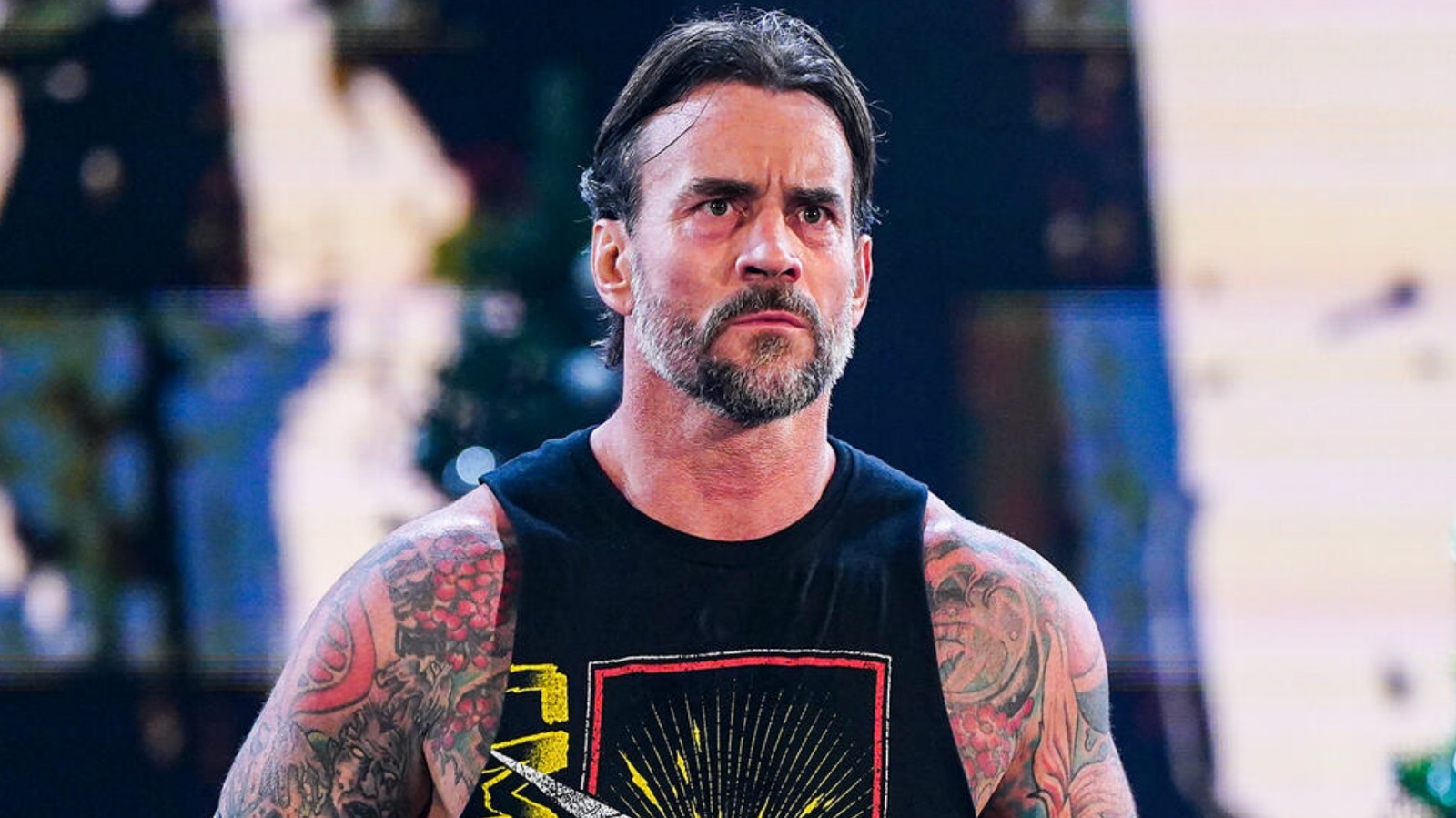
6. The Pipebomb, June 2011. CM Punk sitting on the stage changed how fans talked about the industry on social media. For fifteen minutes, he broke the fourth wall and attacked the booking hierarchy. While the follow-up feud with Triple H was a total mess, the promo itself stands as an untouchable piece of performance art.
7. The debut of the nWo. This was the moment professional wrestling became cool for the mainstream audience. Kevin Nash and Scott Hall invading WCW felt legitimately dangerous, creating a sensation that forced the industry to modernize its presentation. It falls here because the nWo brand eventually became bloated and self-parodic by 1998.
8. Brock Lesnar ends the Streak, WrestleMania 30. The silence that fell over the Superdome was unlike anything witnessed in sports entertainment. While some argue it was a waste of a legendary milestone, it established Lesnar as the final boss of the modern era. Still, 21-1 remains a polarizing decision that the company hasn't fully capitalized on since.
9. Kurt Angle wins Olympic Gold with a broken neck, 1996. This is the foundation upon which Angle’s entire career was built. It provided him with immediate, unassailable credibility when he entered the ring. He didn't just walk into wrestling; he descended into it as a verified warrior.
10. The formation of the Four Horsemen, 1985. They were the first true faction of elite, technical wrestlers that prioritized style and lifestyle over everything else. They set the blue-print for every major stable that followed, from Evolution to the Undisputed Era. It’s the lowest on this list because of how dated the presentation became in the 90s.
The Big Picture
These moments aren't always perfect. Some lead to years of disastrous creative directions, while others expose the ugly financial realities of the business, such as the underpayment issues famously overcome by legends like Tito Santana. Ultimately, the industry thrives because these unpredictable turning points keep the audience guessing.
Honorable Mentions
The Rock’s debut at Survivor Series 1996, Eddie Guerrero winning the WWE Championship at No Way Out 2004, and the formation of D-Generation X. Each served as a catalyst for growth, even if they suffered from inconsistent booking in their later stages.