Measuring the Year's Defining Shifts
The 2026 wrestling landscape is defined by the high-stakes chess matches between promotions and the tactical errors that cost momentum. These entries represent the inflection points that moved the needle for television ratings and social media engagement through mid-June.
The Ranking
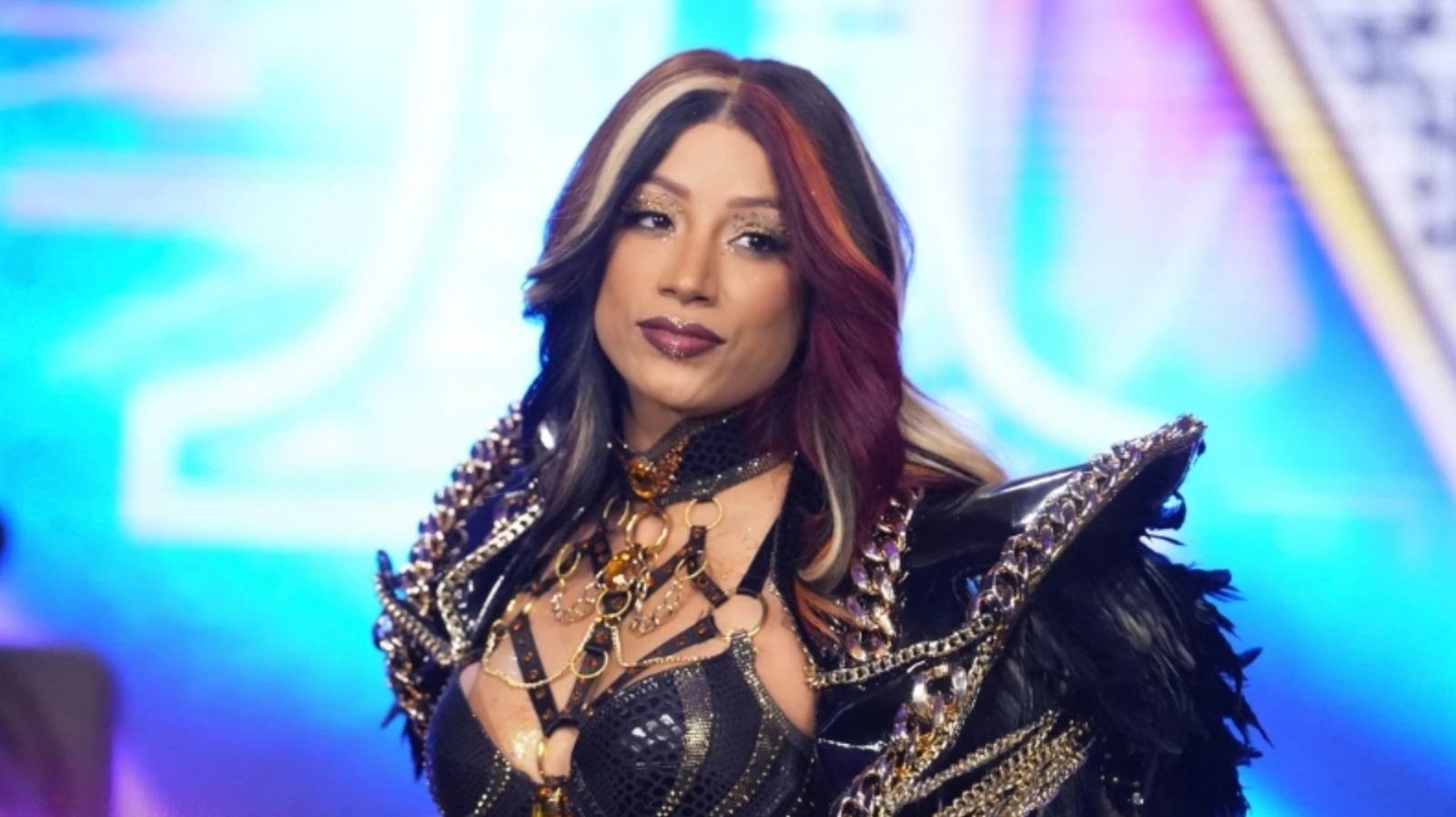
Mercedes Moné returns to the Owen Hart Foundation Tournament
Moné’s re-entry into the AEW bracket provided an immediate spike in viewership for the Collision build. Her technical precision against secondary talent reminded fans why she sits at the top of the pay scale. Without her presence, the tournament felt like a mid-card filler, but she elevated the stakes instantly.
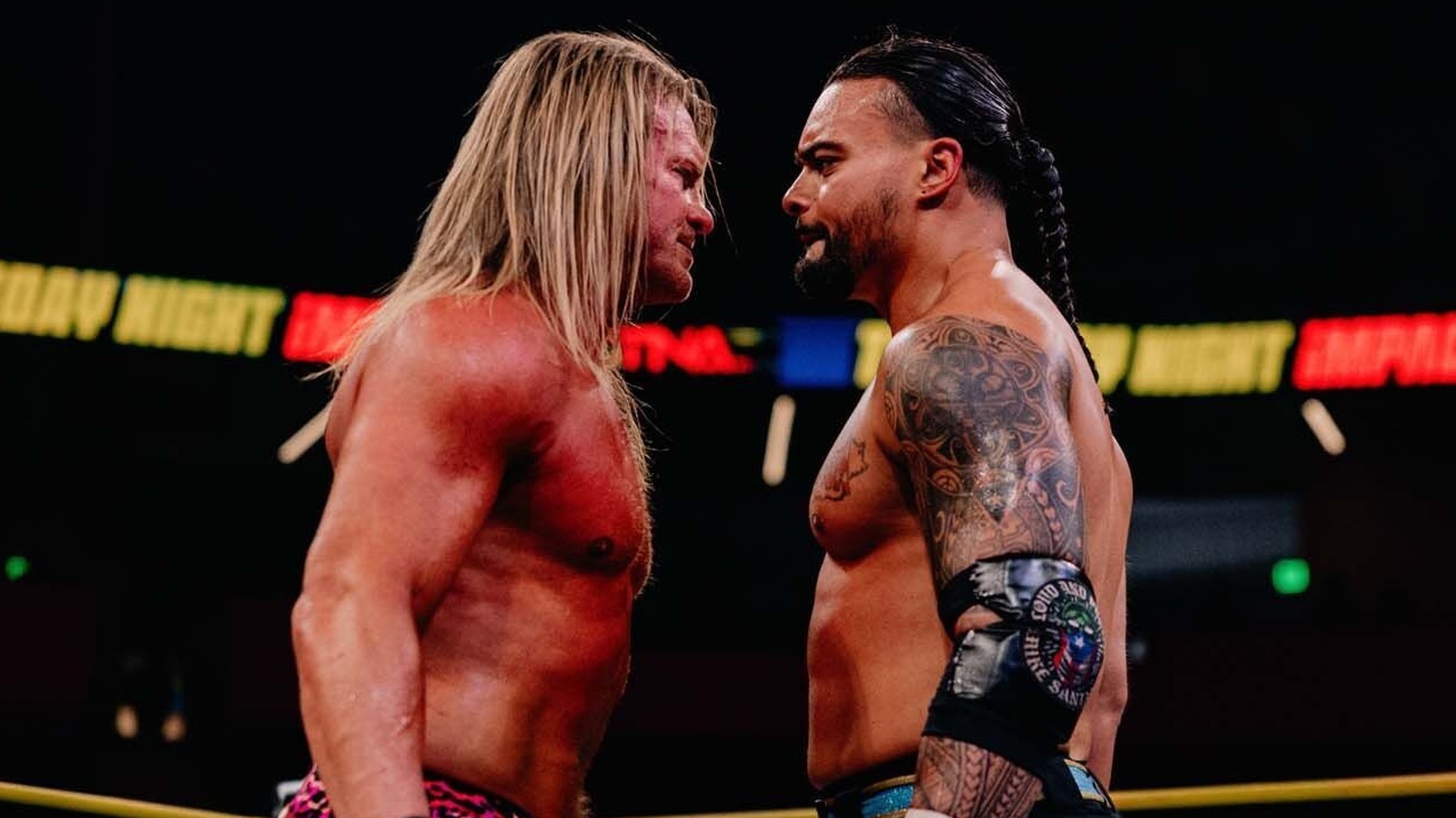
TNA Slammiversary 2026 card expansion
Announced for June 28 in Boston, the TNA front office added three tag team title bouts to the Slammiversary 2026 card this week. This pivot highlights a desperate need to solidify their core roster identity before the summer split. The reliance on tag team staples reflects a thin main-event scene that is currently hurting the bottom line.
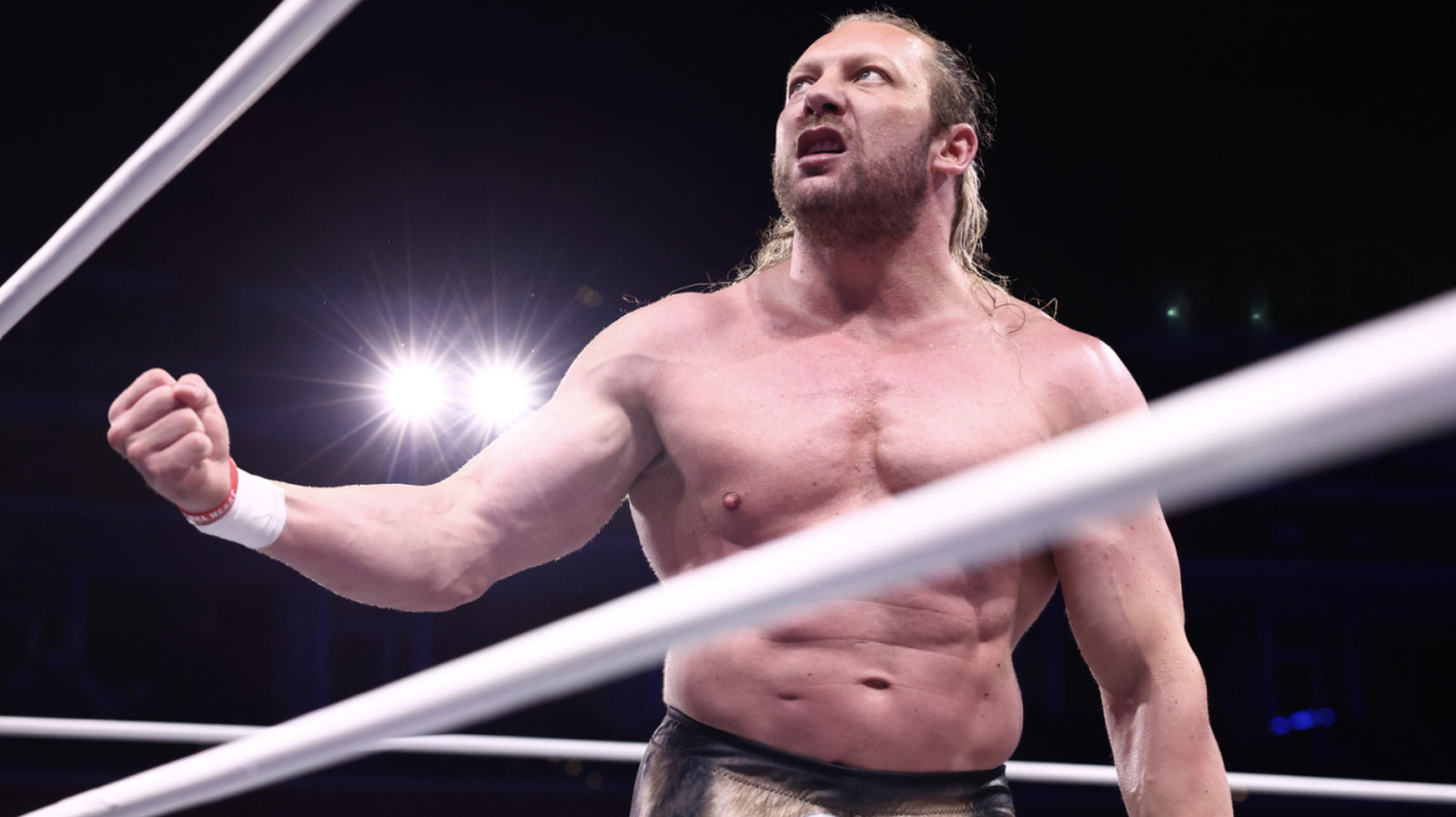
Killer Kross opens the door for AEW
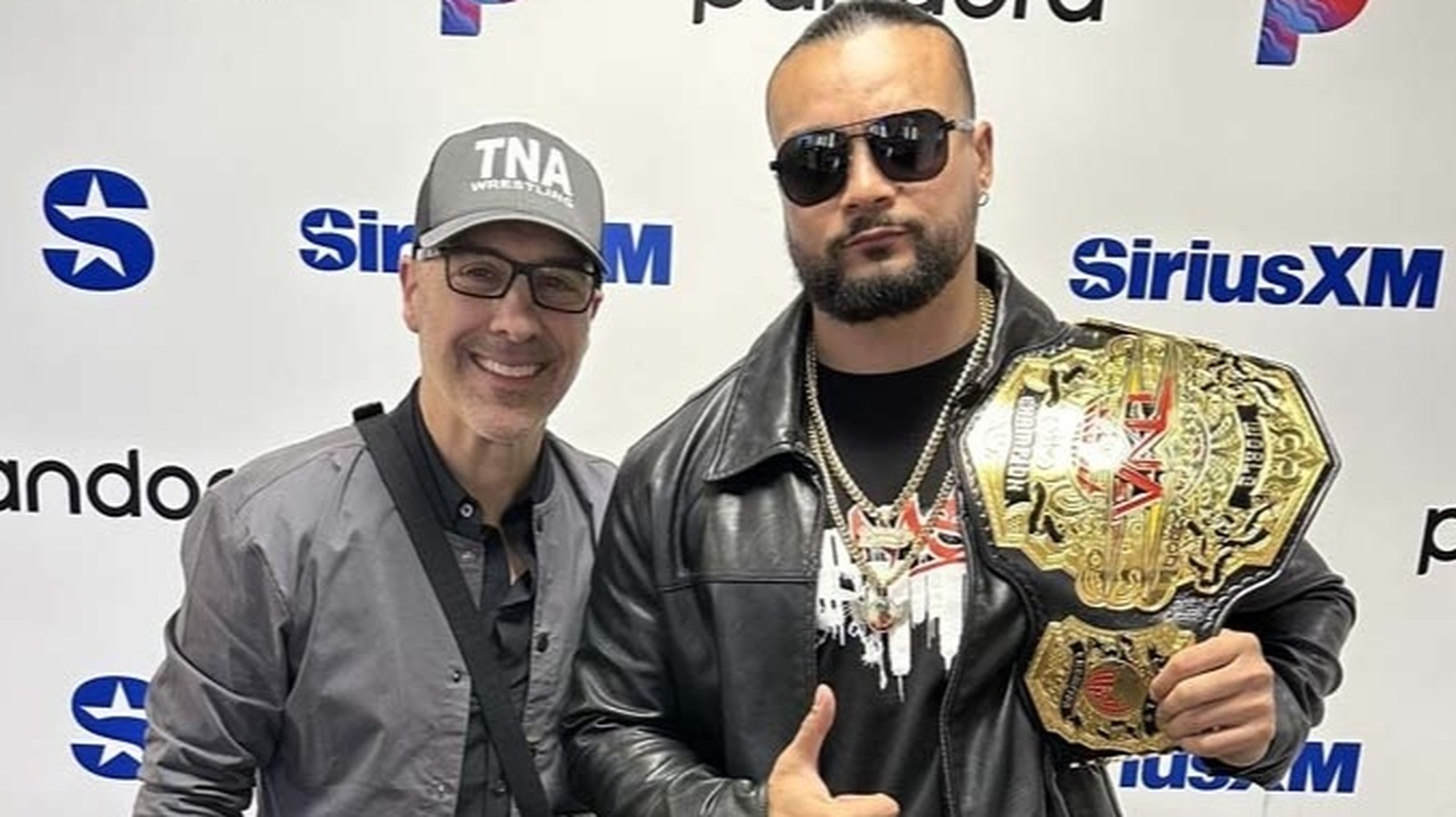
The status of Killer Kross remains a recurring focal point for fans tracking roster shifts. While currently operating outside of Tony Khan’s promotion, recent comments from Kross suggest negotiations are moving beyond mere social media posturing. If this deal closes, it provides a much-needed physical antagonist for the upper-midcard.
The mid-year injury crisis
Major promotions have seen a 14 percent increase in IR-related booking changes since January. Every major brand suffered from poor medical luck, turning would-be dream matches into improvised squashes. The inability to keep top stars healthy for quarterly PPVs remains the biggest failure of the year so far.
WWE internal reshuffle
Staffing changes behind the scenes have altered how mid-card angles are produced. The shift toward tighter, script-heavy segments has alienated segments of the hardcore audience. It turns the product into a sterile exercise in corporate branding rather than legitimate combat sports entertainment.
AEW Dynamite rating rebound
After a rough Q1, the show managed to stabilize its 18-49 demographic pull in May. Smart matchmaking between active champions and hungry challengers helped plug the leaks. However, the reliance on older nostalgia acts suggests long-term growth remains a significant concern.
The rise of free agent cross-promotion
Independent stars taking bookings across three different major labels has changed how fans view brand loyalty. It creates a temporary novelty, yet it strips the mystery out of contract signings. When every talent appears everywhere, the exclusivity of a debut becomes worthless.
NXT's developmental pivot
The decision to lean harder into collegiate athletes rather than seasoned indie vets has yielded mixed results. While the physical output is cleaner, the character depth of several promising prospects is missing. We are watching a science experiment in real time, and some of the participants clearly don't know how to work a live crowd yet.
Pay-per-view price spikes
The industry-wide move to push base PPV rates to 69.99 dollars is a massive gamble. In a saturated content market, fans are opting for highlights on social media over full-show purchases. The industry is pricing out its most base-level supporters to chase short-term profit margins.
The silence on inter-promotional supercards
Despite heavy internet chatter, zero progress has been made on a true cross-company event for the second half of 2026. Promotions are hugging their assets tightly, terrified of losing a single percentage of market share. It makes the prospect of "dream matches" feel further away than ever before.
Honorable Mentions
The unexpected return of several veteran managers to the weekly screen has certainly provided a chaotic spark to otherwise stagnant promos. Additionally, the tightening of social media guidelines for talent has cut down on real-time internet feuds that used to build effective anticipation for upcoming title defenses.