The TKO tax man finally came to collect
We all knew the bill was going to come due eventually. When Endeavor merged WWE and UFC into TKO, they did not just buy the championships and the intellectual property. They bought a massive pile of spreadsheets. And those spreadsheets had a lot of names on them that have not appeared on television since the last time I had a decent date—which is to say, it has been a very long time. For those wondering why the ‘Future Endeavors’ tweets are flying faster than a Ricochet 450 splash lately, the answer is simpler than a three-move sequence from Goldberg.
The reports coming out suggest that WWE actually held back on these releases last year. They wanted to keep the roster looking beefy while they were shopping around for that massive Netflix deal. You cannot sell a five-billion-dollar streaming package if your roster looks like it went through a mid-90s talent raid. But now that the ink is dry and the money is in the bank, the corporate efficiency experts have arrived with their red pens. They are catching up on a year’s worth of housekeeping in a single month.
It is cold. It is heartless. It is exactly what happens when a wrestling promotion starts being run like a tech company instead of a family-run circus. If you are not in a major storyline, if you are not selling a mountain of t-shirts, or if you are not a generational athlete at the Performance Center, you are basically a line item waiting to be deleted. We are seeing the end of the ‘just in case’ roster where guys like Cameron Grimes sat in catering for a year while creative forgot he existed.
The Cameron Grimes tragedy and the main roster void
Let’s talk about Cameron Grimes for a second. This guy was a workhorse in NXT. He was the Million Dollar Champion. He could talk, he could work, and he had a character that actually connected with people. He gets called up to the main roster and what happens? He beats Baron Corbin in 3 seconds and then effectively vanishes into the Witness Protection Program. Seeing him get cut after a year of doing absolutely nothing is the biggest indictment of the current creative system we have seen yet.
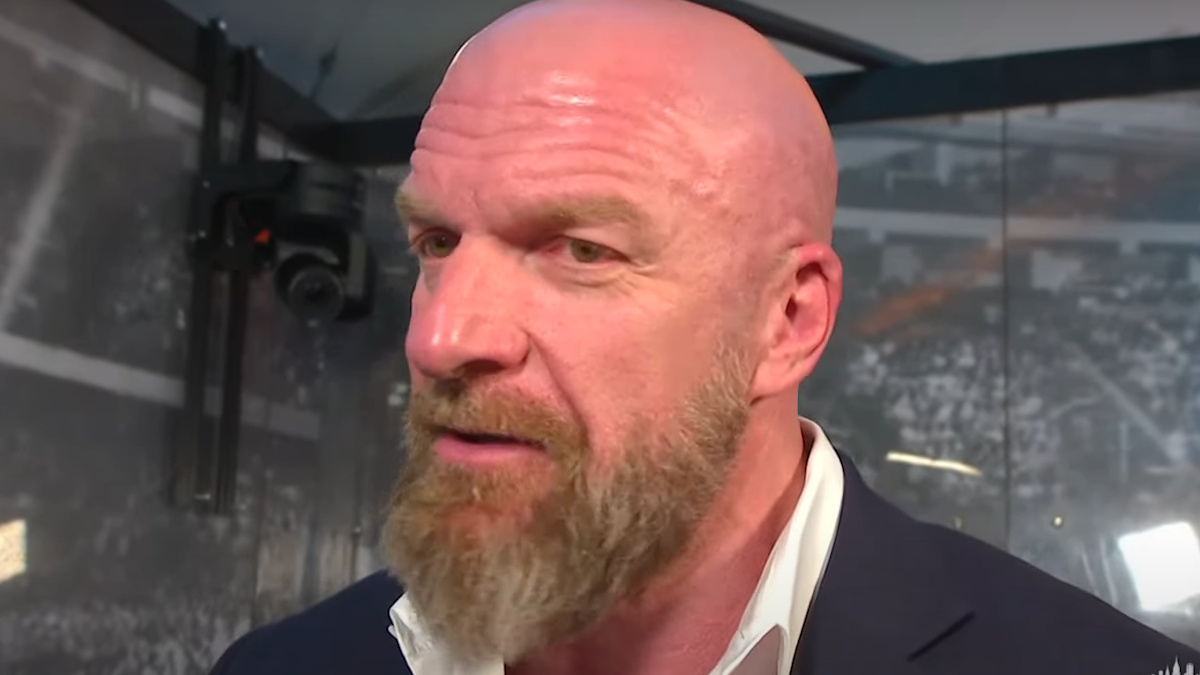
The problem is that Triple H has his ‘list.’ If you were a Black and Gold favorite or if you are one of the top five stars on the planet, you are golden. But if you fall into that middle-ground where you actually need consistent booking to stay relevant, you are in the danger zone. The ‘catching up’ narrative is just a polite way of saying they realized they were paying six-figure salaries to people who were essentially professional gym-goers. It is a failure of the system that a talent as good as Grimes could not find ten minutes of airtime on a three-hour Raw.
Then you have someone like Jinder Mahal. I know, we all made jokes about the Modern Day Maharaja when he was champion, but the guy was a professional. He stayed in incredible shape and did whatever was asked of his character. When he was released recently, it felt like the final nail in the coffin for the era of experimental pushes. WWE is no longer interested in seeing if they can turn a career jobber into a main eventer for the sake of an international market. You either have the ‘it’ factor immediately, or you are gone.
The Performance Center isn't a tenured position anymore
The recent exit of Francois Prinsloo is the newest example of this new ruthless streak. Prinsloo was a massive athlete, the kind of guy who would have been guaranteed a five-year run in the old WWE system just because he was tall. But in 2026, the Performance Center is not a tenured position. If you are not showing rapid progression or if you cannot figure out which way the hard cam is after eighteen months, the door is going to hit you on the way out. It is a sink-or-swim environment that would make a shark look cuddly.
Look at the numbers. We are seeing a quiet cull that is taking out developmental talent before they even get a chance to fail on television. This is the Endeavor influence. In the UFC, if you lose three fights in a row and you are not a draw, you get cut. WWE is finally adopting that same mentality. They are looking at the ROI of every single person in Orlando. If your training costs more than your projected merchandise sales, you are getting the phone call. It is brutal, but from a business perspective, it is hard to argue with.
I am incredibly grateful for the opportunities I had, but it is time for the next chapter.
That is the standard social media post we see now. It is sanitized and professional because nobody wants to burn a bridge with the only company that can pay them seven figures. But behind those posts is the reality that the safety net is gone. The days of being a ‘WWE lifer’ who never actually makes it to TV are over. Even the big projects like Von Wagner, who they spent years trying to make happen, eventually hit the wall. If the crowd is not reacting and the creative team is drawing a blank, the pink slip is inevitable.
Triple H has his favorites and you aren't one of them
We need to be honest about the ‘Levesque Era.’ While the show is objectively better than it was under Vince McMahon, it is also much more exclusive. Triple H likes his favorites. He has a specific circle of wrestlers he trusts to main event his shows, and he rarely deviates from them. This creates a massive bottleneck. When you have guys like Gunther, Seth Rollins, and Cody Rhodes eating up the majority of the screen time, there is very little room for anyone else to grow. This leads to the ‘holding back’ phenomenon where talent just sits there until the accountants notice the payroll bill.
The current roster cull is a direct result of this bottleneck. If you are not in the top 25% of the roster, you are essentially expendable. This is why we saw the release of Xyon Quinn and Sanga. They were taking up roster spots that could be used for the next NIL recruit from a Big Ten wrestling program. WWE is betting on the future, and that means clearing out anyone who has been stuck in neutral for too long. They are clearing the decks for the Netflix era, and if you are not a part of that vision, you are out.
Is it fair? Of course not. Wrestling has never been fair. But it is the reality of the 2026 wrestling business. The company is making record profits, the stock price is through the roof, and the product is hot. In the eyes of TKO, that means the strategy is working. If that means cutting twenty or thirty people a year to keep the profit margins high, they will do it without blinking. They are catching up on the cuts they should have made a year ago, and I would not be surprised if more names are added to the list before the month is out.
The danger of a thinned-out roster
The risk here is obvious. By cutting so much of the middle-card and the developmental depth, WWE is leaving themselves vulnerable to injuries. We saw what happened when a few key stars went down in early 2024—the shows started to feel repetitive very quickly. If they continue this ‘catching up’ phase and trim the roster down to the bone, they might find themselves with a three-hour Raw that they cannot fill with quality content. You can only watch the same six guys wrestle each other so many times before the audience tunes out.
There is also the morale issue. It is hard for a locker room to stay focused when they are waiting for the next wave of releases to drop. Even the people who are ‘safe’ have friends who are getting fired. It creates a corporate atmosphere rather than a creative one. WWE is thriving right now, but they are doing it by becoming a colder, more clinical version of themselves. They are catching up on the business side, but they might be falling behind on the human side.
In two days, we have Backlash. The stars will be out, the crowd will be loud, and the company will talk about how they are bigger than ever. But in the back of everyone’s mind will be the names of the people who were not invited to the party. The ‘holding back’ is over. The ‘catching up’ is in full swing. If you are a WWE superstar right now, you better make sure you are indispensable, because the spreadsheet does not care about your work rate or your locker room leadership. It only cares about the bottom line.