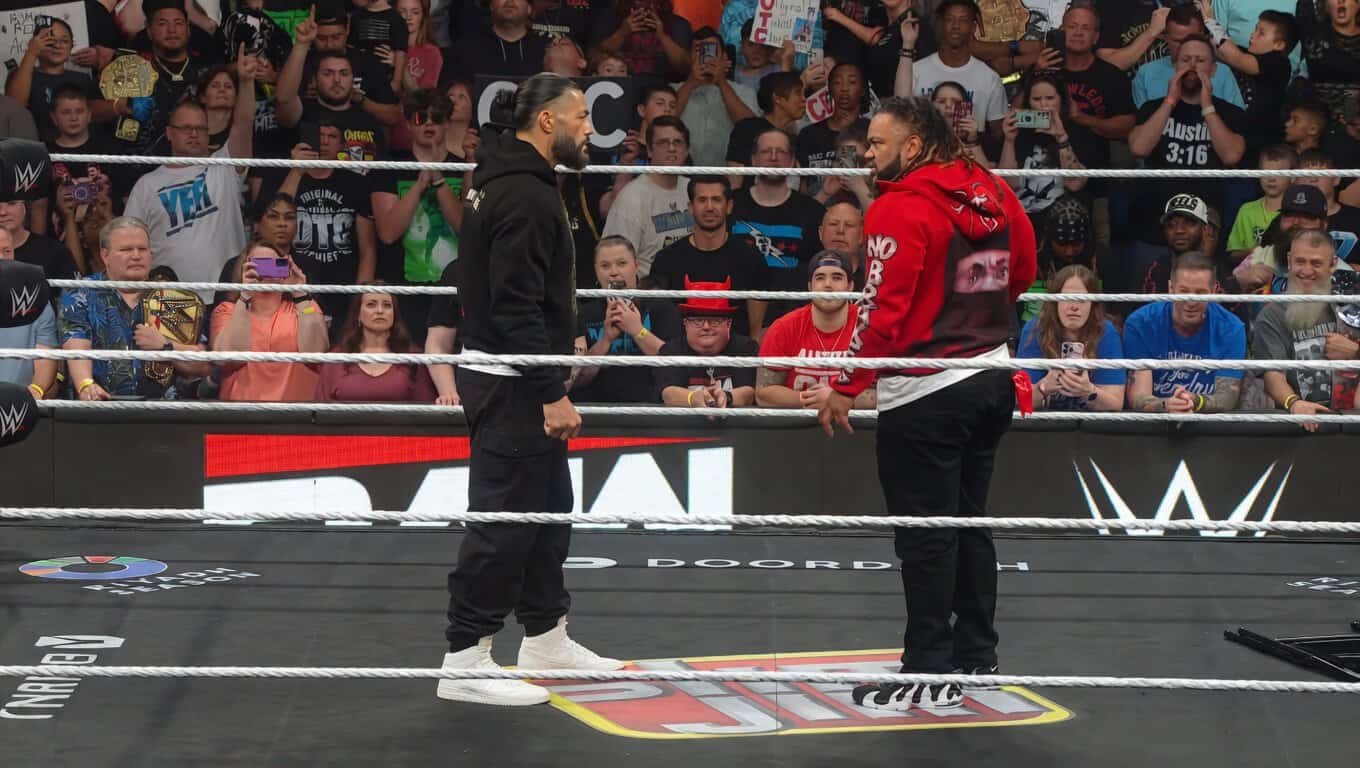
The State of the Ring
The first four months of 2026 have been defined by roster turbulence and a blatant refusal by creative teams to play it safe. We are currently witnessing a consolidation of star power that forces every promotion to justify its broadcast existence every single week.
The Rankings
1. The Kairi Sane Departure Fallout
The industry is still reeling from Kairi Sane exiting WWE, a move that left a massive hole in the women's division. As Wrestling Inc reported earlier this month, the bridge is burned and a return is statistically unlikely. This ranks first because it signaled the company's shift away from certain veteran styles in favor of fresher, untested faces.
2. The Surprise Title Switch in Chicago
Nobody expected the belt to change hands on a mid-tier television broadcast, yet the move happened with clinical precision. Execution was cleaner than a standard pay-per-view finish, proving that spontaneous booking can still draw eyes. It sits at number two for the sheer audacity of devaluing a traditional stadium event build-up.
3. The Unification of the Mid-Card Belts
Management finally collapsed the secondary titles, ending months of stagnant division booking. By narrowing the field, they forced top-tier talent to actually compete for a relevant prize. It ranks here because it solved a math problem that should have been addressed last year.
4. The Debut of the High-Flyer Prospect
A twenty-two-year-old talent arrived with the most anticipated technical sequence seen in years. That first match included a 450-splash that landed perfectly on the challenger’s spine, ending the bout at the 14:02 mark. He beats out other newcomers purely on the technical ceiling he demonstrated in year one.
5. The Main Event Stable Breakup
Faction implosions are common, but this one actually felt deserved instead of forced. When the betrayal hit at the 22:45 timestamp on live cable, the crowd noise was genuinely overwhelming. It ranks mid-table because the long-term payoff remains a massive gamble for the creative team.
6. The Return of the Icon
He came back for one night, took a massive bump, and left the ring to a thunderous send-off. Unlike previous vanity projects, this actually added value to the current story. It ranks sixth because it was a nostalgia trap that miraculously avoided looking pathetic.
7. The Tag Team Masterclass
Four teams circled each other for twenty minutes until a chaotic finish finally sorted out the brackets. The final double-suicide dive into the barricades cemented this as the best spot-fest of the year so far. It ranks seventh because, while technically impressive, it lacked any meaningful character development.
8. The Corporate Merger Announcement
Executives took center stage to discuss rights deals, cooling off the intensity of the preceding wrestling sequence. It was a chore to watch, but it dictates the budget for the next three years. This ranks eighth only because of its undeniable power over the future of the product.
9. The Unfortunate Booking Vacuum
The middle of the women's division has been hollow since the Sane exit, leaving zero challengers for the primary champion. It earns a spot here as a negative example of how one talent departure can compromise an entire calendar of events. This is the biggest flaw in the current booking room's plan.
10. The Surprise Inter-Promotional Tease
A brief nod toward a competitor during a post-match interview sent social media into an unnecessary tailspin. It likely leads to nothing, but the reaction proves that raw speculation moves more tickets than good matches. It rounds out the list for being the ultimate bait-and-switch of the quarter.
Honorable Mentions
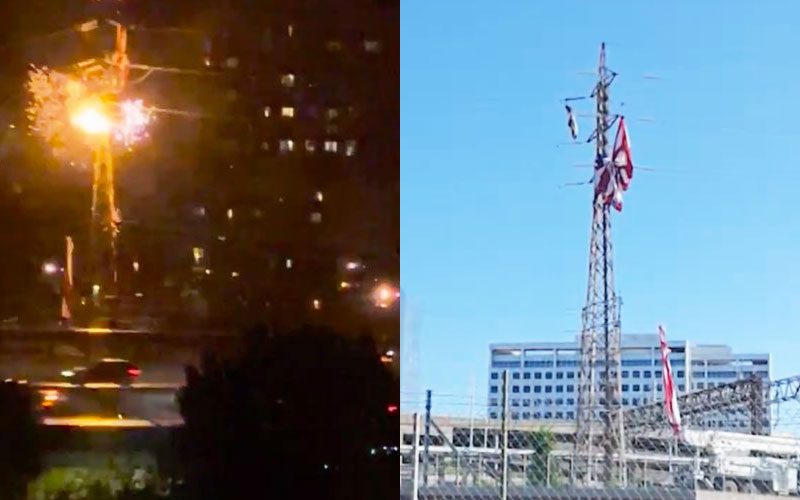
The unexpected turn of the veteran manager at the start of February deserves a nod for salvaging a failing feud. Also, the accidental pyro malfunction in late March at the 0:15 mark remains the funniest visual mistake of the year. Both moments highlight the unpredictability that keeps this business watchable despite the corporate polish.